







Feeling extra thirsty or tired lately? It's easy to jump to conclusions, but many common symptoms could mean a number of things. While it's vital to listen to your body, these signs are clues, not a diagnosis of diabetes.
Increased Thirst and Frequent Urination
One of the most classic signs
linked to high blood sugar is a noticeable increase in thirst and urination. When there's excess glucose in your blood, your kidneys go into overdrive to filter and absorb it. When they can't keep up, the extra sugar is flushed out through urine, pulling fluids from your tissues along with it. This process can leave you feeling constantly thirsty, no matter how much water you drink, and sending you to the bathroom more often, even waking you up at night.
Unexplained Fatigue or Weight Changes
Feeling unusually tired is another common complaint. Diabetes affects how your body uses insulin, the hormone that allows your cells to convert glucose (sugar) from food into energy. If your cells are resistant to insulin or you don't have enough of it, they are essentially starved of fuel, leading to persistent fatigue. Similarly, unexplained weight loss can occur as your body starts burning fat and muscle for energy because it can't get it from glucose. Conversely, some people may experience weight gain.
Blurred Vision and Slow-Healing Sores
High blood sugar levels can affect various parts of your body, including your eyes and skin. Changing fluid levels can cause the lenses in your eyes to swell, leading to blurred vision that may seem to come and go. You might also notice that cuts and sores are taking much longer to heal. This happens because high glucose levels can impair circulation and affect the body's natural ability to fight infections and repair itself.
Why These Symptoms Aren't a Diagnosis
It is crucial to understand that these symptoms are not exclusive to diabetes. Many other conditions can cause similar signs. For example, frequent urination could be a urinary tract infection, while fatigue might be linked to anemia, stress, or thyroid issues. Dehydration can also cause increased thirst and tiredness. Conditions like Polycystic Ovary Syndrome (PCOS) and Cushing's syndrome can also disrupt metabolism and produce diabetes-like symptoms. This significant overlap is why self-diagnosing based on symptoms is unreliable and potentially dangerous.
The Gold Standard: How Diabetes Is Diagnosed
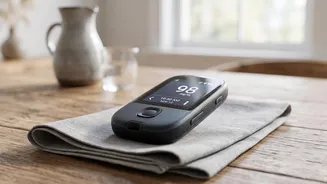
The only way to know for sure if you have diabetes is through proper medical testing ordered by a doctor. Overstthe counter blood glucose meters can show your levels at a single moment but cannot be used for an official diagnosis. A doctor will use specific blood tests, and often requires two abnormal results to confirm a diagnosis. These tests include the A1C test, which measures your average blood sugar over the past three months, a Fasting Plasma Glucose (FPG) test, which measures blood sugar after an overnight fast, and an Oral Glucose Tolerance Test (OGTT), which shows how your body processes sugar.