






So, What Is a Jalebi Waffle?
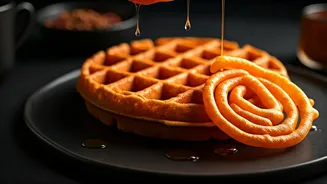
At its core, the Jalebi Waffle is a creative collision of two beloved sweets from different worlds. While there isn't one single, universally accepted recipe, the trend generally manifests in two popular ways. The first, and more ambitious version, involves
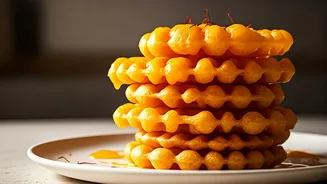
infusing the waffle batter itself with the fermented, slightly tangy flavour profile of traditional jalebi batter. This results in a waffle that carries the essence of the sweet in its very DNA. The more common and accessible version seen in cafes and home kitchens involves a classic Belgian waffle acting as a canvas. This fluffy base is then topped with bite-sized pieces of crispy jalebi, a generous drizzle of creamy rabri, and often a sprinkle of pistachios or almonds for texture and colour. Either way, the goal is the same: to merge the familiar comfort of a waffle with the iconic, festive flavour of India’s favourite sweet spiral.
Engineered for Instagram
Let’s be honest: in today's food world, a dish has to be as photogenic as it is flavourful to truly go viral. The Jalebi Waffle is a masterclass in visual appeal. The vibrant orange of the jalebi pieces contrasts beautifully against the golden-brown waffle and the creamy white rabri. The intricate grid of the waffle traps pools of syrup and rabri, creating a glistening, decadent landscape that begs to be photographed. Food bloggers and Instagram influencers have been quick to notice, filling feeds with slow-motion videos of syrup being poured and close-ups that capture the satisfying textural differences. It’s a dish that looks indulgent, celebratory, and novel all at once—a perfect trifecta for social media success. This visual allure is arguably the primary driver behind its 'viral moment,' inviting people to taste with their eyes first.
But How Does It Actually Taste?
Looks aside, the crucial question is whether this fusion works on the palate. The answer, for most, is a resounding yes. The magic lies in the balance of textures and flavours. A well-made waffle provides a soft, slightly chewy base that is relatively neutral, allowing the star of the show—the jalebi—to shine. You get the signature crunch and the intense, sugary sweetness of the jalebi in every other bite. The rabri, which almost always accompanies the dish, is the genius ingredient that ties everything together. Its cool, milky, and subtly sweet character cuts through the richness of the fried jalebi and prevents the entire dessert from becoming overwhelmingly sweet. It’s a delightful sensory experience: the softness of the waffle, the crunch of the jalebi, and the smoothness of the rabri create a combination that feels both new and deeply nostalgic.
Part of a Bigger 'Mithai-fication' Trend
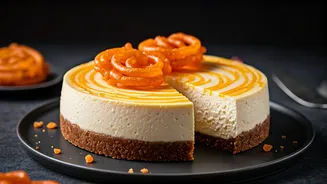
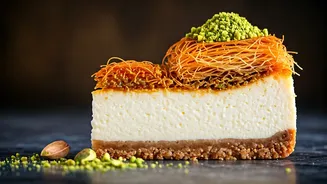
The Jalebi Waffle isn’t an isolated phenomenon. It's part of a larger, exciting movement in modern Indian cuisine: the 'mithai-fication' of Western desserts. For years, chefs and home cooks have been reimagining traditional Indian sweets in contemporary formats. We’ve seen Gulab Jamun Cheesecake, Motichoor Ladoo Parfaits, Rasmalai Tiramisu, and Kaju Katli Tarts. This trend speaks to a generation of Indians who grew up with both traditional festive foods and global culinary influences. It’s a way of honouring nostalgic flavours while presenting them in a format that feels fresh and exciting. These fusion desserts are a celebration of culinary identity, proving that traditional tastes can evolve without losing their soul. The Jalebi Waffle is simply the latest, and perhaps most viral, chapter in this ongoing story.
Where to Find This Sweet Sensation
Thanks to its viral status, the Jalebi Waffle is popping up on menus across the country, especially in trendy cafes and dessert parlours in major cities like Mumbai, Delhi, and Bengaluru. These establishments are tapping into the hype, often positioning it as a signature or specialty item. However, the beauty of this trend is its accessibility. For the adventurous home cook, it’s a relatively simple dessert to replicate. All you need is a waffle maker, some good-quality store-bought (or homemade) jalebis, and a tub of rabri. It’s a fantastic way to impress guests or simply treat yourself to a fun culinary experiment. Whether you hunt it down at a local cafe or whip it up in your own kitchen, it's a trend worth tasting.