
A Digital Love Letter to Tradition
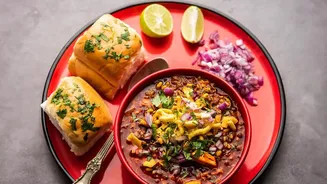
Social media platforms have become a vibrant, digital stage for India's diverse culinary traditions. Short-form videos, in particular, have given new life to lesser-known regional dishes that were once confined to family kitchens and local festivals.
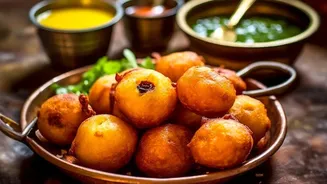
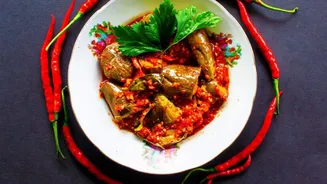
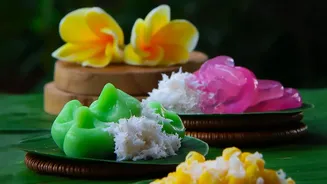
Food influencers and home chefs are now the storytellers, sharing not just recipes but the cultural significance behind them. A reel can make a Naga pork curry or a Til Pitha from Assam feel immediate and desirable to someone scrolling miles away in Mumbai. This has sparked a widespread revival of interest in traditional Indian cuisine, encouraging a new generation to appreciate the immense diversity of the country's culinary landscape.
The Powerful Flavour of Nostalgia
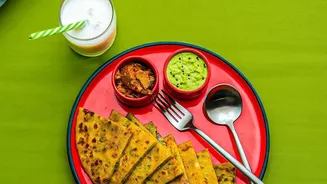
For many, seeing a familiar snack like pitha evokes a powerful sense of nostalgia. These foods are tied to memories of childhood, festivals, and family gatherings. In an era of fast-paced urban life, where many live away from their hometowns, these snacks offer a taste of home and a comforting connection to one's roots. This emotional connection is a significant driver of consumer behaviour, with studies showing that nostalgia marketing strongly influences purchase intentions, especially in the food industry. Brands and creators tap into this by framing traditional foods not just as products, but as carriers of memory and emotion.
The Healthy Alternative
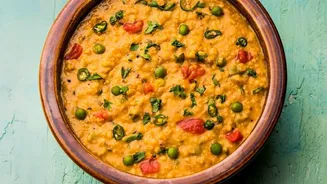
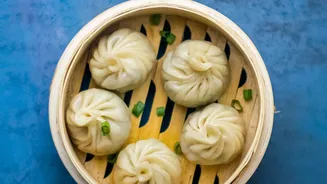
As health and wellness become a priority for more people, traditional cooking methods are gaining new respect. Steamed snacks like pitha are a perfect example. Unlike many deep-fried alternatives, these steamed dumplings are often low in fat and retain more of their natural nutrients. Many traditional Indian snacks are made from wholesome ingredients like whole grains, lentils, and vegetables, making them rich in protein and fibre. For instance, Dal Pitha, a popular snack in Eastern India, offers a balanced mix of proteins and complex carbohydrates, making it a filling and guilt-free option. This alignment with modern health-conscious eating habits makes these age-old recipes surprisingly relevant today.
The Rise of the Home Chef
The trend is not just being driven by professional chefs, but by a powerful movement of home cooks. Platforms like Instagram and Facebook have empowered talented home chefs to showcase their family recipes to a global audience. These creators build trust with their followers by sharing authentic, often generational, knowledge about cooking techniques and ingredients. Their content feels genuine and accessible, inspiring viewers to try making these dishes themselves. This has democratized food content, proving that a family recipe for Manda Pitha from Odisha can be just as engaging as a professionally produced cooking show.
Celebrating Regional Diversity
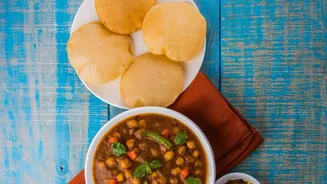
For years, mainstream Indian cuisine was often represented by a limited menu of restaurant staples. Social media is changing that narrative by putting a spotlight on India’s incredible regional diversity. Viewers are being introduced to the vast world of pithas from Assam, Odisha, and Bengal, each with its unique preparation and fillings. The trend extends to countless other regional gems, from Gujarat's farsan to the savory snacks of South India. This digital movement celebrates a more authentic and comprehensive picture of Indian food, where every region's culinary identity gets its moment to shine.