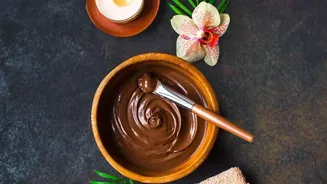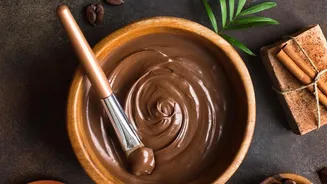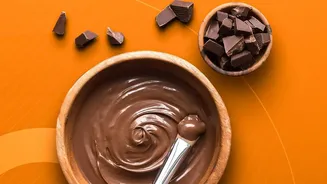


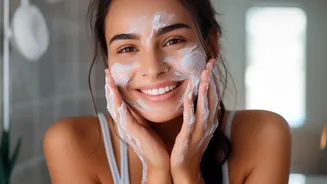

The idea of smoothing a rich, delicious-smelling chocolate mask over your face sounds like the ultimate self-care treat. It’s a popular DIY hack, but is it a sweet dream for your skin or a sticky situation waiting to happen?
The Allure of the Edible Facial
In the world of do-it-yourself
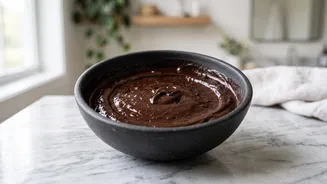
beauty, few trends are as tempting as the chocolate face mask. It feels natural, luxurious, and fun. The logic seems simple: if chocolate, specifically dark chocolate, is lauded for its internal health benefits, why not apply those benefits directly to our skin? The internet is filled with recipes, often mixing melted chocolate bars or cocoa powder with other kitchen staples like yoghurt, honey, or olive oil. The promise is usually one of hydration, a youthful glow, and nourishment. Proponents claim the antioxidants in chocolate can rejuvenate the skin, making it a seemingly harmless and indulgent part of a home-spa day.
The Kernel of Truth: Cacao's Real Benefits
There is some science behind the idea. The star ingredient, cacao, is a powerhouse of beneficial compounds. Pure cacao powder is packed with flavonoids, a type of antioxidant that helps protect cells from damage. These antioxidants can help neutralise free radicals, which contribute to premature ageing. Some studies, primarily on consuming high-flavanol cocoa, show it can improve skin hydration, elasticity, and even offer some protection against UV damage. Topically, cacao is believed to have anti-inflammatory properties and can increase blood flow to the skin, potentially promoting a brighter, more radiant complexion. So, yes, the core ingredient in chocolate does have legitimate skincare credentials.
The Sticky Problem: Sugar, Dairy, and Fats
The issue is that a chocolate bar is not just pure cacao. Most commercially available chocolate, even dark varieties, contains sugar, fats, and often milk solids—all of which can be problematic when slathered on your face. Sugar is a major culprit; topically, it can potentially disrupt the skin's microbiome and, when ingested, is known to trigger inflammation and increase sebum production, which can worsen acne. The dairy in milk chocolate is another potential trigger for breakouts in acne-prone individuals. The fats and oils, like cocoa butter, can be comedogenic, meaning they have the potential to clog pores and lead to blackheads and pimples, especially for those with oily or combination skin.
What Dermatologists Say About DIY Masks
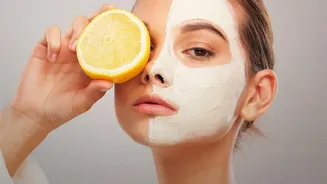
Dermatologists often express caution when it comes to kitchen-concocted skincare. While some natural ingredients can be beneficial, many are not formulated for facial skin and can cause more harm than good. Experts warn that 'natural' doesn't always mean 'safe'. Ingredients that are perfectly healthy to eat can be irritating when applied topically, potentially disrupting the skin's delicate acid mantle and protective barrier. A DIY chocolate mask, with its unpredictable blend of sugar, fats, and potential allergens from other mixed-in ingredients, can lead to contact dermatitis, irritation, and breakouts. Before trying any new DIY mask, performing a patch test on a small area of skin is crucial to check for a negative reaction.
Not a Cure for Chronic Skin Issues
Perhaps the most important point is that a face mask—DIY or otherwise—is a temporary treatment, not a cure. Chronic skin conditions like acne, rosacea, eczema, or significant pigmentation issues require consistent, targeted treatment plans often developed with a dermatologist. A chocolate mask might offer a fleeting moment of hydration or a temporary glow, but it cannot address the underlying causes of these persistent problems. Believing that a food-based mask can 'cure' a medical skin condition is a myth. True skin health is built on a foundation of a consistent routine with proven ingredients, not occasional, trendy fixes.