



Why the New Moon Is Your Best Friend
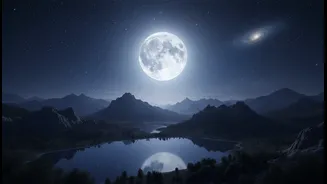
The single biggest obstacle to seeing stars, besides city lights, is the Moon itself. A full moon can be so bright it washes out all but the most brilliant stars and planets. On a moonless night, you can see up to ten times more stars. A new moon, which
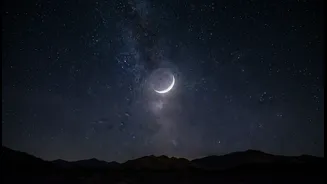
occurs when the Moon is between the Earth and the Sun, is essentially invisible in our sky. This creates the perfect dark canvas for celestial objects to pop. According to calendars, the next new moon for India is on Tuesday, July 14, 2026. The few nights before and after this date are also excellent for stargazing, as the thin crescent moon sets early, leaving a long, dark night.
Gearing Up: What You Really Need
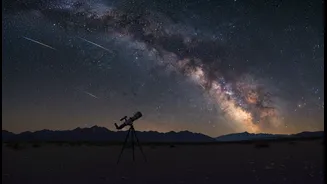
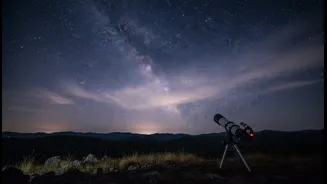
Many beginners believe they need an expensive telescope, but that's a common misconception. Your stargazing journey can begin with no equipment at all. The most essential tools are your own eyes and a little patience. To enhance the experience, consider a pair of binoculars. Even a basic pair will reveal craters on the Moon, the moons of Jupiter, and bring dense star fields into sharp focus. A comfortable blanket or a reclining chair is also a great idea, as you'll be looking up for extended periods. Lastly, download a free stargazing app on your phone, like SkyView or Star Walk. These apps use your location to show you exactly what you're looking at when you point your phone at the sky, helping you identify constellations and planets instantly.
What to Look For in the July Sky
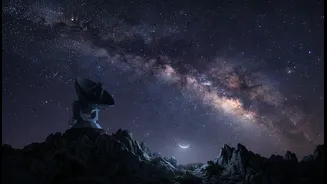
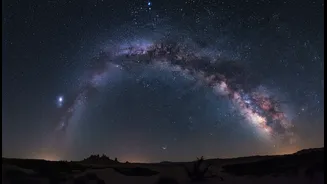
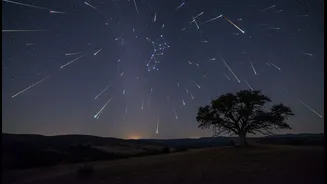
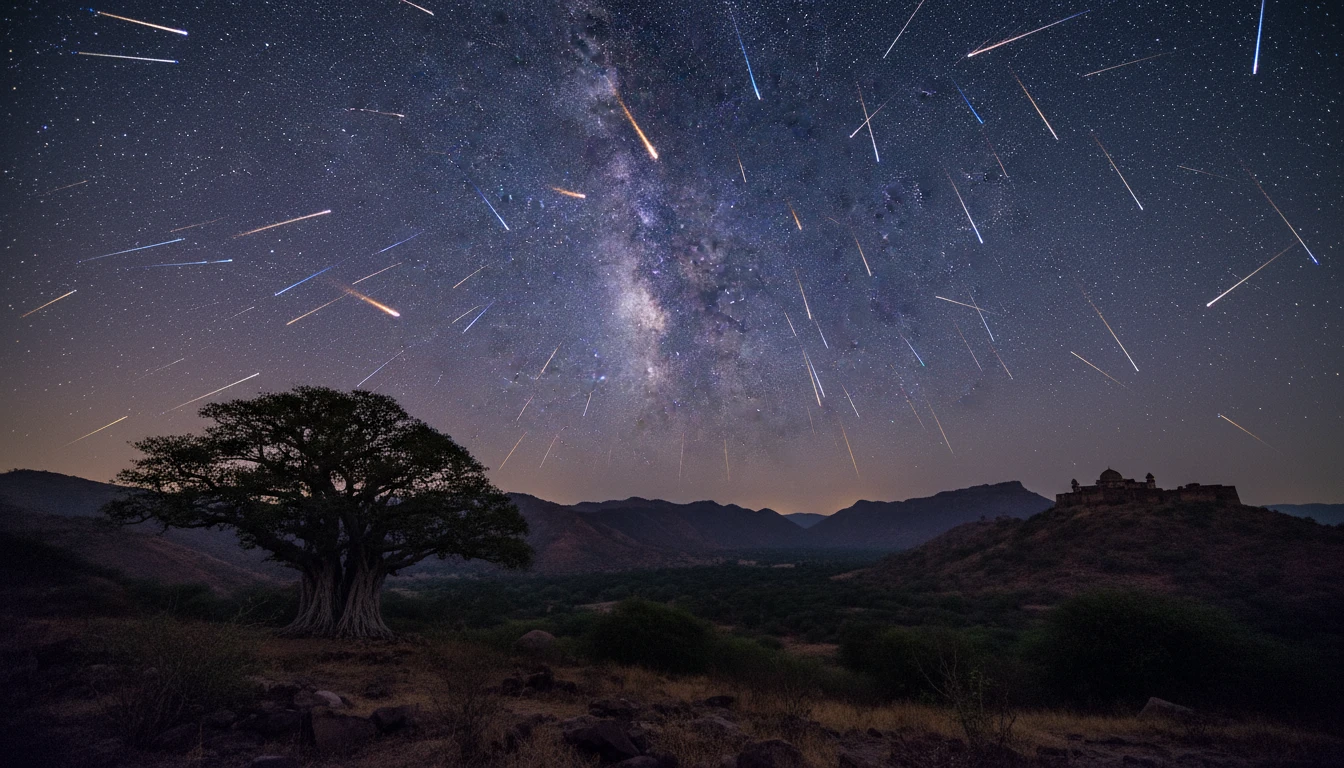
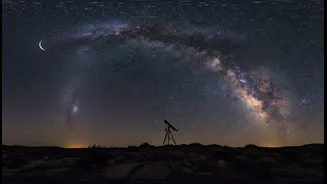
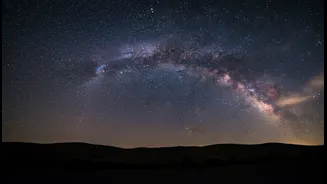
July 2026 is a fantastic month for skywatchers in India. Even before the new moon, you can spot planets. In the early mornings, Saturn will be visible in the constellation Pisces, and Mars will also make an appearance. After sunset, the brilliant planet Venus will be visible in the west. As the sky gets truly dark during the new moon period, the grand sweep of the Milky Way becomes the main attraction in locations with low light pollution. Constellations like Orion, Ursa Major (the Great Bear), and Cygnus (the Swan) are also prominent and can be identified with the help of a stargazing app. For a special sight, look for the Pleiades star cluster, a tiny, glittering group of stars that looks like a small dipper.
Finding Your Dark Sky Spot
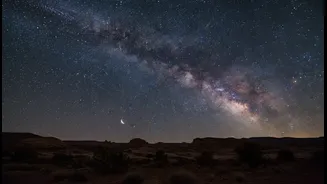
To truly take advantage of the new moon, you need to escape the city's glow. Light pollution is the enemy of good stargazing. You don't have to travel to India's first official Dark Sky Reserve in Hanle, Ladakh, although it offers some of the best skies in the world. For most people, a drive of just an hour or two outside a major city can make a dramatic difference. Look for national parks, rural villages, or remote hills. Places like the Rann of Kutch in Gujarat, Spiti Valley in Himachal, or even the outskirts of Coorg in Karnataka are known for their clear skies. Even a local farm, a beach away from resorts like Neil Island, or a high point in regions like the Western Ghats can serve as a great impromptu observatory. The key is to find a spot with an open view, away from streetlights and buildings.
Simple Tips for a Great First Night
Once you've found your spot, your eyes will need about 20-30 minutes to fully adapt to the darkness. Avoid looking at your bright phone screen during this time. If you need a light, use a red torch or cover a regular torch with red cellophane, as red light doesn't spoil your night vision. Patience is crucial; the longer you look, the more you'll see. Don't just scan the sky randomly. Instead, pick one constellation your app shows you and try to trace its shape. From there, you can hop to neighbouring stars and constellations. Stargazing is not a race. It's about slowing down, being present, and connecting with the vastness above.