








A Hunger for Authentic Storytelling
A growing sentiment among audiences is that mainstream Hindi cinema has become too formulaic, disconnected, and urban-centric. Critics and viewers alike point to a perceived creative stagnation, where big-budget studio films often prioritize star power
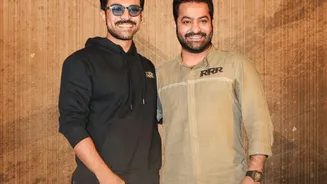
and remakes over original, compelling scripts. In contrast, regional cinema, particularly from the South, is seen as offering fresher narratives and more authentic, culturally rooted stories. Even when dubbed, films like 'Kantara' or 'RRR' bring unique cultural landscapes and mythologies to a national audience, providing a window into different parts of India that viewers find novel and engaging. This connection to grassroots culture and emotion is proving to be a powerful draw for a mass audience that feels increasingly alienated by the polished, metropolitan focus of some studio movies.
The Rise of the Pan-Indian Spectacle
The game truly changed with larger-than-life spectacle films that transcended linguistic barriers through universal themes and breathtaking visuals. The 'Baahubali' duology was a watershed moment, proving that a Telugu film could become the highest-grossing film in India. This success was replicated by blockbusters like 'KGF', 'Pushpa: The Rise', and 'RRR', all of which became nationwide phenomena. These films often blend high-octane action, grand emotional stakes, and mythological undertones that resonate with a collective cultural consciousness. While Bollywood was once the master of 'masala' entertainers, many now feel South Indian cinema has perfected the formula, delivering the kind of grand, heroic, and emotionally satisfying experiences that mass audiences crave.
The OTT Platform Revolution
The explosion of Over-the-Top (OTT) streaming services like Netflix, Amazon Prime Video, and Disney+ Hotstar has been a critical catalyst. During the pandemic lockdowns, audiences confined to their homes began exploring content beyond their usual linguistic preferences. This exposure dismantled the barriers that once kept regional cinema confined to its home state. Viewers developed a taste for Malayalam thrillers, Tamil dramas, and Telugu action films, making them familiar with actors and directors from across the country. This digital democratization means that by the time a major regional film gets a theatrical release, there's already a primed, curious, and receptive audience in the Hindi-speaking belt, ready to embrace it.
Quality Dubbing Makes All the Difference
For years, dubbed South Indian films were a staple of satellite TV, but were often dismissed due to poor dubbing quality that created a jarring experience. That era is over. Production houses now understand that high-quality dubbing is a crucial investment for a pan-Indian release. The goal is to make the dubbing 'invisible', with meticulous script adaptation, localization of humor and cultural references, and careful voice casting to match the original actor's performance and on-screen presence. When the dialogue feels natural and the emotion is preserved, language ceases to be a barrier, allowing audiences to fully immerse themselves in the story. This focus on a seamless viewing experience has been a key factor in the massive box office success of dubbed films.