

A New Flavour at the Festival
Walk through any major Indian food festival today, from Delhi’s National Street Food Festival to Kolkata’s Ahare Bangla, and you’ll find something surprising nestled between the stalls for gourmet burgers and artisanal pizzas. There, you might find a home
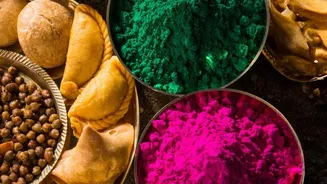
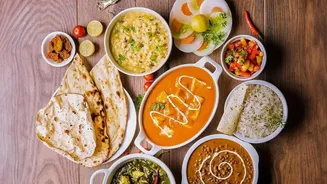
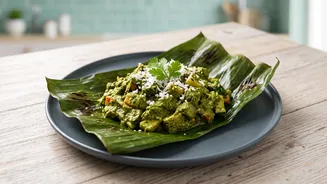
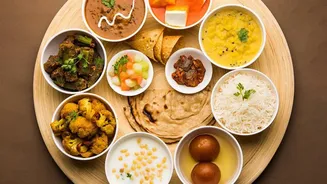
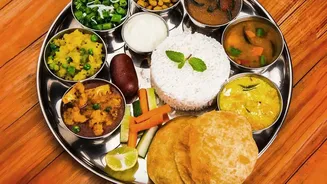
cook serving a complex curry from a recipe book her grandmother wrote by hand, or a vendor selling a forgotten pickle unique to their small community. These festivals have become vibrant platforms not just for modern culinary trends, but for rediscovering and celebrating India’s vast, diverse, and often unwritten food heritage. They are turning into living museums of culinary history, where heirloom dishes find a new stage.
From Home Kitchens to Public Platforms
The stars of this movement are often not celebrity chefs, but home cooks—many of them women—who have been the custodians of these family recipes for decades. For years, their culinary expertise was confined to their own dining tables. Now, food festivals provide a unique opportunity to turn that passion into a profession, moving from private kitchens to public pop-ups. Platforms like Authenticook and the rise of supper clubs have already shown the growing appetite for home-cooked meals. Food festivals take this a step further, giving these chefs a large, eager audience and a chance to share the stories behind their food, connecting their family's legacy with thousands of festival-goers.
A Hunger for Authenticity
What’s driving this demand? For a younger generation of Indians, there's a growing desire to connect with their roots in a tangible way. In an increasingly globalised world, the distinct flavours of a regional or community-specific dish offer a powerful sense of identity and nostalgia. These recipes, whether it's a specific type of 'modak' for Ganesh Chaturthi or a 'niramish' mutton curry for Kali Pujo, are more than just food; they are edible history. Young attendees, influenced by social media food bloggers who champion authentic and regional fares, are actively seeking out these unique, story-rich experiences over generic fast food. Eating a dish passed down through generations becomes a way to taste and understand their own heritage.
Preserving More Than Just Recipes
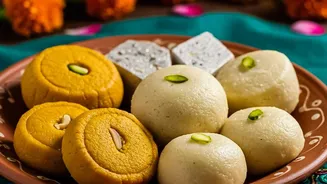
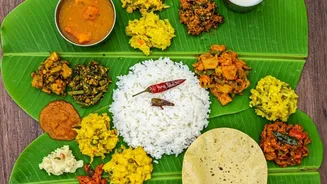
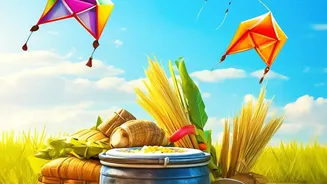
The impact of this trend goes beyond the plate. When a home cook shares a recipe at a festival, they are preserving much more than a list of ingredients. They are safeguarding culinary techniques, regional vocabularies, and the cultural context in which these dishes were born. Many of these recipes are tied to specific seasons, festivals, or family rituals, from the 'til-gul laddoos' of Makar Sankranti to the elaborate vegetarian 'sadya' feast of Onam. By giving these dishes a commercial platform, food festivals create a new incentive for these traditions to be documented and passed on, ensuring they survive in an era of rapid social change.