


The Rise and Fall of the Pandemic Loaf
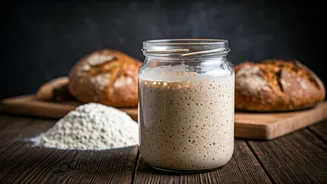
During the lockdowns of 2020, home baking saw a massive surge in popularity. With more time at home, many people turned to hobbies that were both comforting and time-consuming. Sourdough bread, with its multi-day process and demand for attention, became
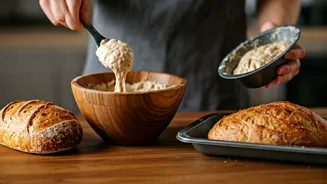
the unofficial mascot of this era. Instagram feeds were a testament to this new obsession, filled with pictures of perfectly scored loaves and airy crumb shots. However, as life returned to a semblance of normal, many of these newfound passions waned. The starters, once lovingly fed, were often neglected. Yet, from the remnants of this boom, a new, more sustainable practice was born.
The Problem of the Discard
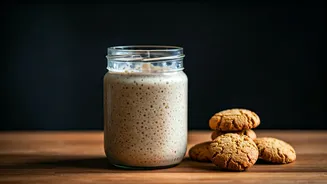
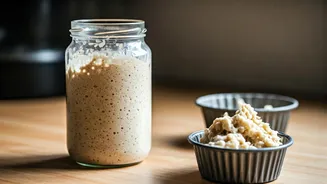
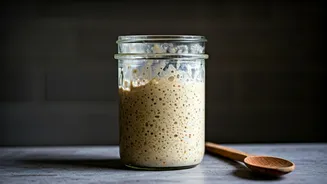
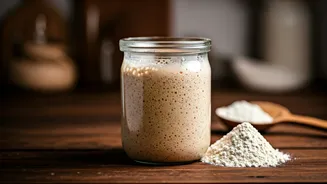
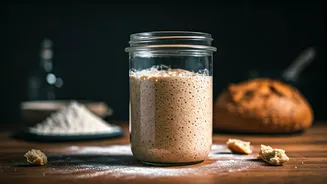
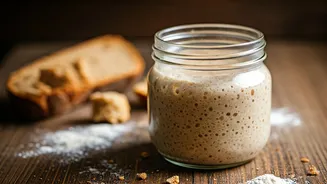
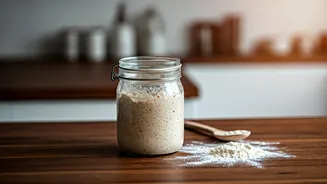
Every sourdough baker, from the novice to the expert, faces the same dilemma: what to do with the discard. To keep a sourdough starter healthy and active, a portion must be removed before each feeding. This “discard” is unfed starter that isn't lively enough to leaven a loaf of bread on its own. Initially, many bakers simply threw it away, a practice that felt wasteful and ran counter to the wholesome, self-sufficient ethos of baking from scratch. This guilt, combined with a desire to reduce food waste, laid the groundwork for a movement.
A Movement of Kitchen Creativity
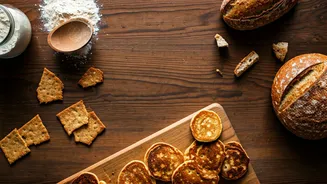
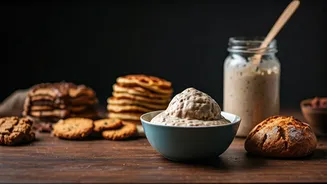
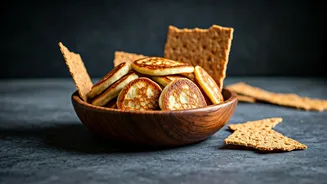
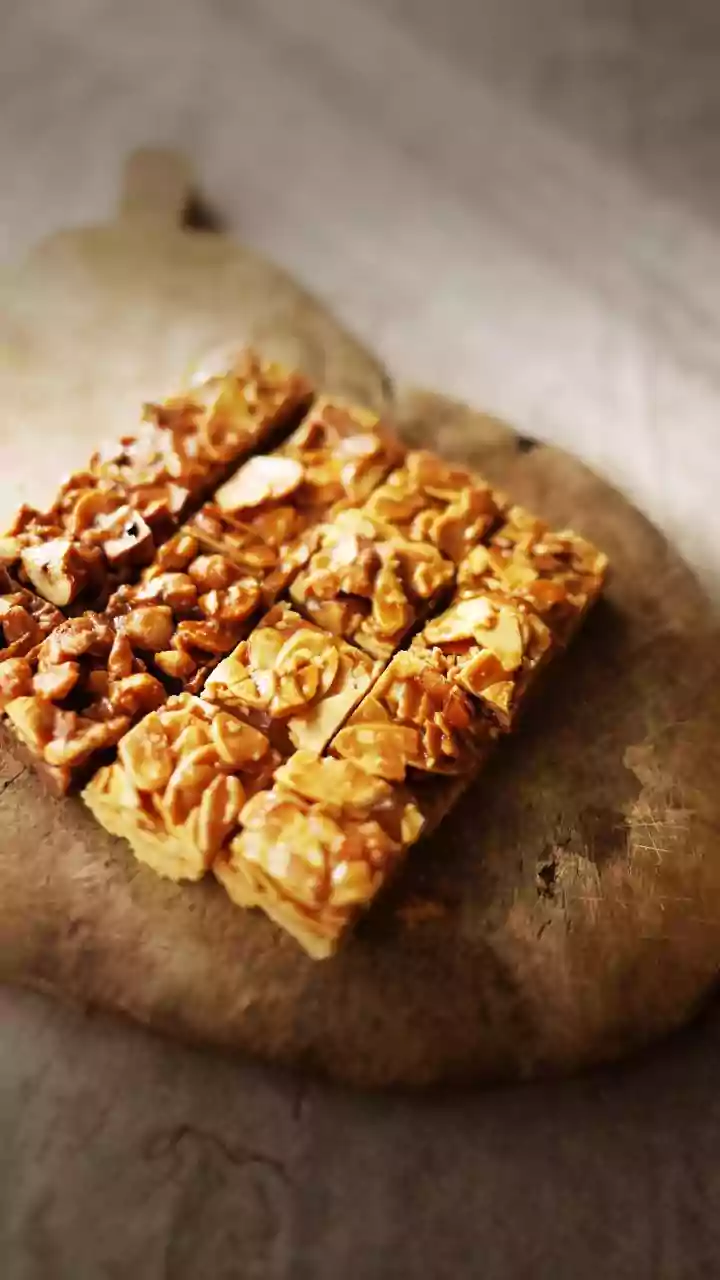
Instead of being seen as waste, sourdough discard has been rebranded as a versatile, flavour-enhancing ingredient. An entire ecosystem of recipes has sprung up online, dedicated to finding creative uses for what was once thrown away. Bakers are now turning their discard into everything from tangy crackers and fluffy pancakes to rich brownies and savoury pizza crusts. The discard adds a complex, slightly sour flavour, similar to buttermilk or crème fraîche, that can elevate a simple recipe into something special. This shift transformed a problem into an opportunity for endless culinary experimentation, with bakers sharing their successes and building communities around this zero-waste approach.
Sustainability and Frugality at Heart
The sourdough discard movement’s longevity is rooted in something deeper than just culinary curiosity. It taps directly into growing concerns about food waste and sustainability. Using discard is a tangible way for home cooks to make a small but meaningful impact, turning potential waste into delicious food. In a world of rising grocery prices, this practice is also an act of frugality. It honours the resources—the flour, water, and time—that went into creating the starter in the first place. This mindset of resourcefulness is far more enduring than the fleeting trend of a lockdown hobby. It’s a practical philosophy that resonates with a desire for a more mindful and less wasteful way of living.
From Kitchens to Mainstream
The impact of the discard movement isn't just confined to home kitchens. The innovative, tangy flavour profile has inspired commercial products and can be seen as part of a broader trend in baking. Some companies and bakeries now offer products that celebrate this unique flavour. The movement has proven that what started as a simple, home-based solution to a common baking problem has the power to influence wider food trends. It speaks to a collective desire for authenticity, flavour, and a connection to our food that goes beyond the perfect loaf.