

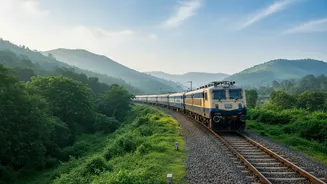
The Night Train Safari Strategy
Central India, the heart of tiger country, offers a unique opportunity for the savvy solo traveller. While there isn't a single 'night rail pass', the strategy lies in using Indian Railways' extensive network of overnight trains to hop between the region's
premier national parks. This approach does three things brilliantly: it saves you precious daylight hours which are better spent on safari, it cuts down on accommodation costs by turning your travel into a moving hotel, and it immerses you in the quintessential Indian travel experience. The goal is to travel between major railway hubs at night and use the day for the short onward road journey to the parks.
Charting Your Tiger Territory
The core of this circuit includes some of India's most iconic tiger reserves, primarily in Madhya Pradesh. Planning your route requires connecting the parks to their nearest railway stations. For Bandhavgarh National Park, the closest stations are Umaria (UMR), just an hour's drive away, and Katni (KTE), a larger junction about two hours away. For Kanha National Park, your main railheads are Jabalpur (JBP) and Gondia (G), both around a three to four-hour drive from the park's main gates. Pench National Park, which straddles the border of Madhya Pradesh and Maharashtra, is most conveniently accessed from Nagpur (NGP), a major city and railway hub approximately three hours away. A classic route could involve travelling from Delhi to Umaria for Bandhavgarh, then taking a train from Katni to Jabalpur to get to Kanha, followed by another leg to Nagpur for Pench.
Mastering Your Train Bookings
Booking train tickets in India requires planning. All bookings are done through the Indian Railway Catering and Tourism Corporation (IRCTC) website or app. Tickets open 120 days in advance, and popular routes fill up fast, so booking early is crucial. For a solo traveller seeking a balance of comfort, safety, and budget, AC 2-Tier (2A) or AC 3-Tier (3A) classes are ideal. These air-conditioned coaches provide bedding, are secure, and offer a chance to meet fellow travellers. While sleeper class is cheaper, it can be crowded and is not recommended for first-time solo backpackers with luggage. Always carry a valid photo ID that matches the name on the ticket. For last-minute plans, there's a 'Tatkal' quota, but securing a ticket is often a challenge.
Securing Your Safari Permits
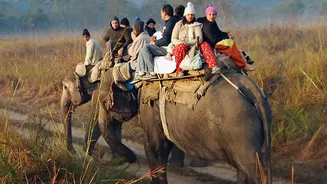
Just as important as your train ticket is your safari permit. Entry into the core zones of all major national parks is strictly regulated. Permits must be booked online, well in advance, via the official Madhya Pradesh Forest Department website. For popular parks like Bandhavgarh and Kanha, permits for preferred zones often sell out the day they are released, months ahead of the travel date. The booking process is straightforward: you select the park, the zone, the date, and the time (morning or evening safari) and provide your ID details. Remember that a permit only grants you entry; you still need to hire a registered safari jeep (Gypsy) and a guide, which is typically done at the park gate or arranged through your hotel.
Tips for the Solo Safari Adventurer
Solo travel in this region is incredibly rewarding but benefits from a few precautions. When arriving at a railway station late at night or early in the morning, pre-book your taxi to the national park through your hotel for safety and fair pricing. To manage costs, especially for safari jeeps which have a fixed high price, ask your lodge or guesthouse if they can pair you with other travellers to share the ride. Most lodges are accustomed to this and serve as informal hubs for solo travellers to connect. Pack light but smart: include a universal charger, a dust-proof bag for your electronics on safari, a warm jacket for chilly morning game drives, and some snacks and water for long train journeys.