



Choose Your Post-Monsoon Paradise
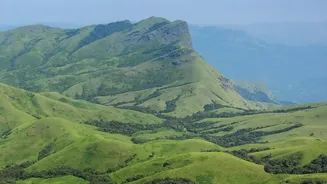
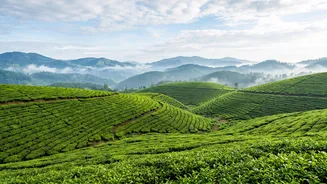
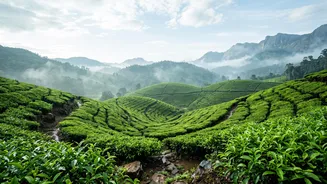
The beauty of driving from Bengaluru is the variety of destinations within a 4-to-6-hour range. Each offers a unique flavour of the Ghats. For the classic misty hills and coffee plantation experience, Coorg (Madikeri) is a top choice, located about 265
km away. The drive takes you through verdant landscapes that are exceptionally vibrant after the rains. Alternatively, Chikmagalur, the birthplace of Indian coffee, offers stunning treks to peaks like Mullayanagiri and views of waterfalls like Hebbe Falls. It’s a fantastic option for those seeking a mix of relaxation and adventure. Another excellent choice is Wayanad in Kerala, known for its dense forests, ancient caves, and stunning waterfalls, sitting roughly 280 km from the city. Sakleshpur is a closer option, ideal for those seeking misty mountain views and serene coffee estate stays.
Mastering Post-Monsoon Roads
Driving in the Ghats after the monsoon requires caution. While the September to March period is generally ideal with pleasant weather, the roads can be unpredictable immediately following the rains. Expect well-maintained national highways on the initial leg of your journey, but be prepared for narrower, winding roads as you ascend the hills. These sections can have potholes or slushy patches. Always check for local advisories on road conditions before you start, as heavy rain spells can sometimes cause temporary closures or landslide risks. Drive slowly, honk at blind curves, and give way to uphill traffic. It's also wise to avoid driving on ghat roads after dark, as visibility can drop significantly and you might encounter fallen branches or other hazards.
Essential Pre-Trip Vehicle Checks
Before you embark on your journey, ensure your vehicle is in top condition. A pre-trip service is highly recommended. Pay special attention to your tyres; ensure they have adequate tread and are properly inflated. Check your brakes, lights, and fluid levels. Given the winding roads and steep inclines, effective brakes are non-negotiable. Turning off the air conditioning on a very steep incline can give your car an extra power boost. Pack an emergency kit that includes a first-aid box, a basic toolkit, a flashlight, and a portable tyre inflator. Since mobile connectivity can be patchy in remote areas, having downloadable offline maps is a lifesaver.
Packing for a Damp and Green World
The weather in the post-monsoon Western Ghats is generally cool and pleasant, but can be unpredictable with lingering showers. Pack layers of clothing that you can add or remove easily. Quick-dry fabrics are a smart choice. A waterproof jacket is essential. For footwear, opt for sturdy, closed shoes with good grip, especially if you plan on walking through plantations or visiting waterfalls where paths can be slippery. If trekking is on your agenda, be prepared for leeches, which are common during and just after the monsoon; carrying a small pouch of salt can be helpful. Don't forget insect repellent, a power bank for your devices, and any necessary personal medications.
Sights at Their Best After the Rains
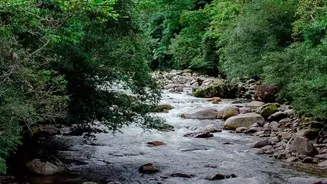
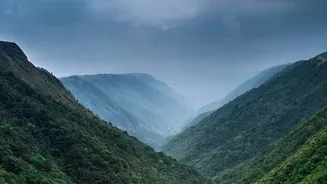
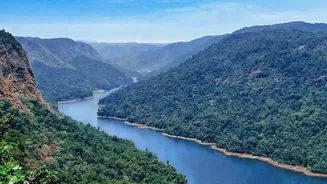
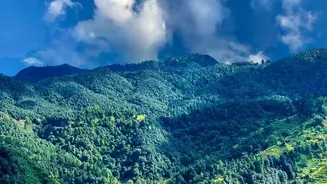
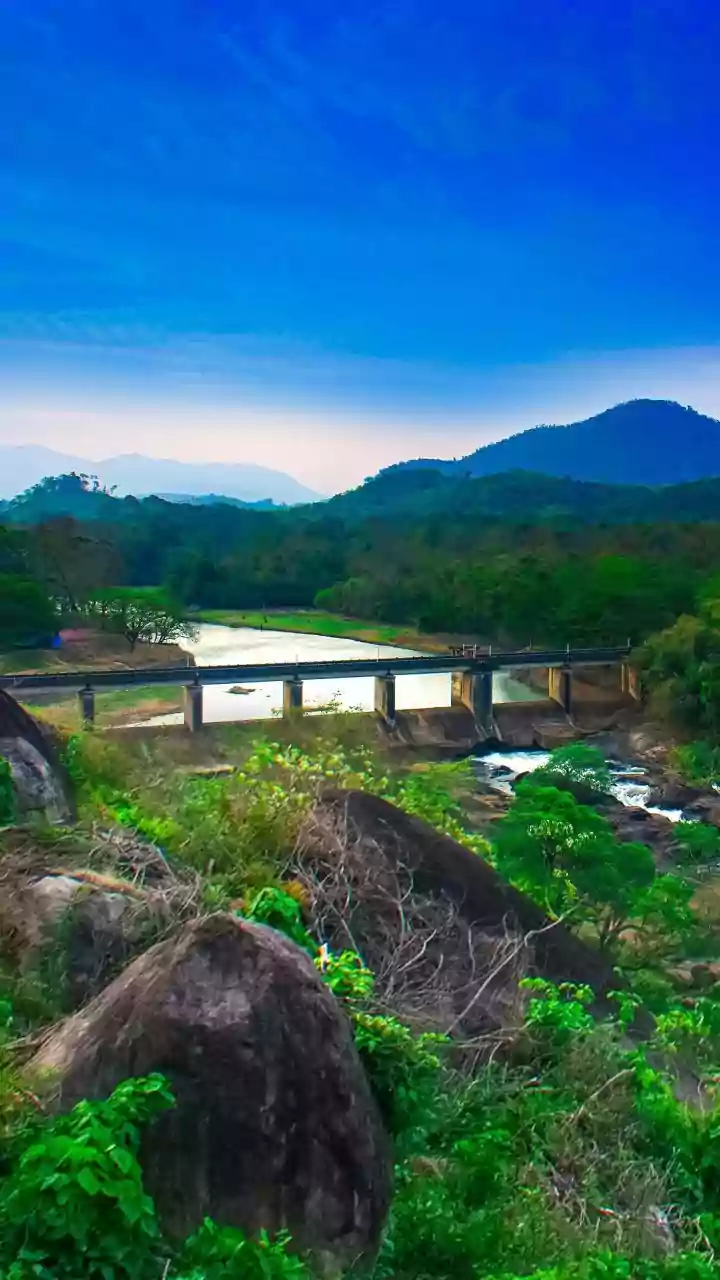
The post-monsoon season is when the region's waterfalls are at their most spectacular. In Coorg, Abbey Falls is a must-visit, surrounded by sprawling coffee and spice plantations. Near Chikmagalur, you can trek to see the magnificent Hebbe Falls. For those heading towards Goa, the mighty Dudhsagar Falls, which translates to 'Sea of Milk', is a powerful four-tiered spectacle. The viewpoints also offer their most dramatic vistas during this time. Sakleshpur’s Bisle Ghat viewpoint provides a panoramic look at the dense forests of the Western Ghats. The entire landscape is a vibrant green, making scenic drives through areas like Charmadi Ghat a rewarding experience in itself, with numerous small cascades tumbling down the hillsides.