








The Allure of the Quick Fix
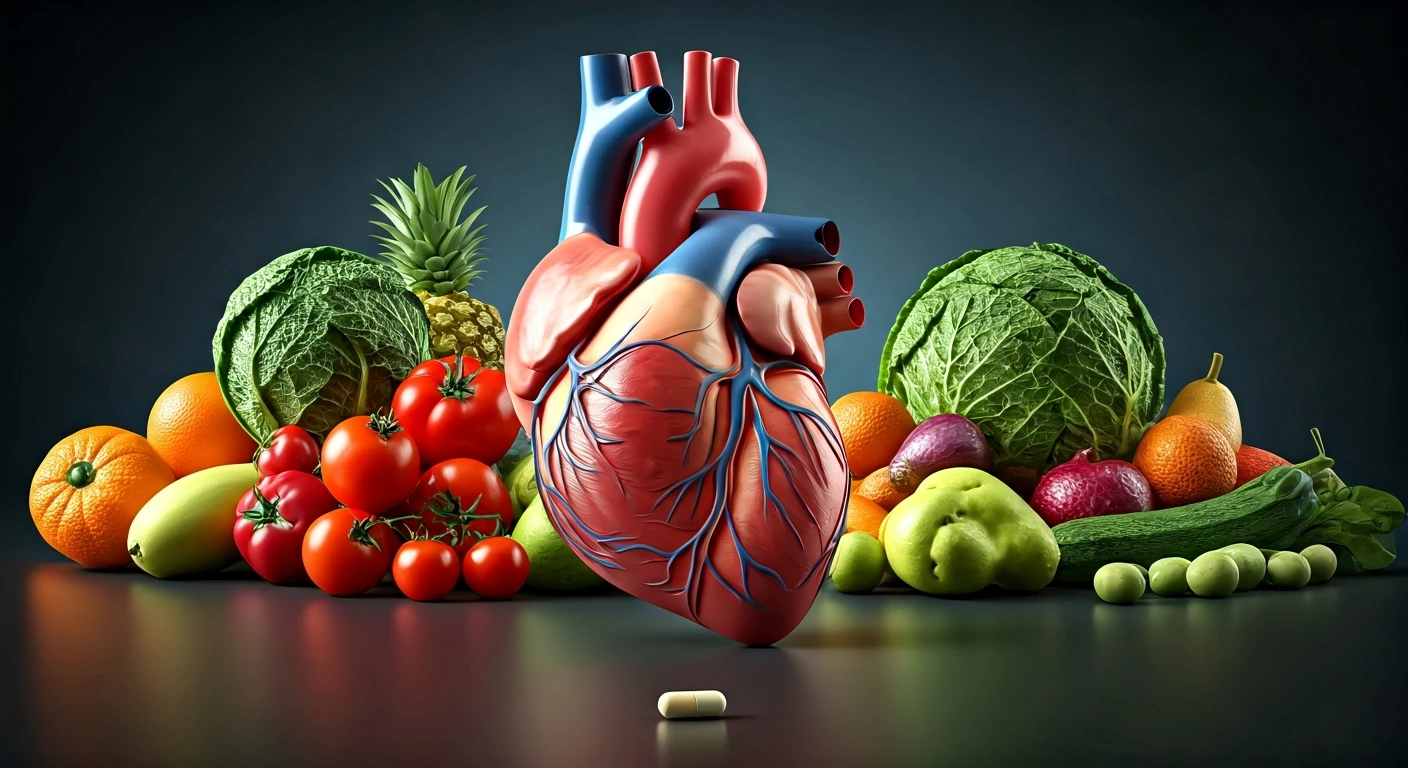
The market is flooded with supplements claiming to boost heart health, from fish oil capsules to Coenzyme Q10. The supplement industry often promotes a narrative of easy prevention, which appeals to our desire for simple solutions. However, cardiologists
and major health organisations caution that for the general population, there is little to no scientific evidence that most over-the-counter supplements prevent heart disease. While certain supplements may be prescribed by a doctor to correct a specific deficiency, they are not a substitute for a healthy lifestyle. Relying on pills can create a false sense of security, distracting from the foundational behaviours that are proven to protect your heart.
What Really Works: Foundational Habits
Experts agree that the most powerful tools for preventing heart disease are consistent, healthy lifestyle choices. These habits work together to lower risk factors like high blood pressure, high cholesterol, and excess weight. Instead of searching for a magic bullet in a bottle, cardiologists advise focusing on the daily decisions that have the biggest impact over a lifetime. The key pillars include diet, physical activity, sleep, and stress management.
Eat a Heart-Smart Diet
A healthy diet is one of the best weapons against heart disease. Rather than focusing on a single nutrient, experts recommend adopting a broad, healthy eating pattern. Diets like the Mediterranean diet and the DASH (Dietary Approaches to Stop Hypertension) diet are consistently recommended. Both prioritise fruits, vegetables, whole grains, lean proteins like fish and beans, and healthy fats from sources like olive oil and nuts. These eating styles are low in processed foods, added sugars, sodium, and saturated fats, which are known contributors to heart problems. The goal isn't perfection, but rather making small, sustainable changes that add up over time.
Make Movement a Priority
Regular physical activity is crucial for strengthening the heart muscle and improving circulation. The American Heart Association recommends at least 150 minutes of moderate-intensity exercise, like brisk walking or cycling, per week. This can be broken down into 30 minutes, five days a week. For even greater benefits, adding a couple of days of muscle-strengthening activities is also advised. If you're currently sedentary, the key is to start small. Even a ten-minute walk each day is a positive step. The most important thing is to move more and sit less throughout your day.
Don't Underestimate Sleep and Stress
Sleep and stress management are often overlooked but are critical for cardiovascular health. Chronic lack of sleep is linked to high blood pressure, inflammation, and an increased risk of heart attack. Most adults need seven to nine hours of quality sleep per night. Similarly, unmanaged chronic stress can raise blood pressure and lead to unhealthy coping mechanisms. Finding healthy ways to manage stress—such as meditation, spending time outdoors, or connecting with loved ones—can significantly protect your heart over the long term.