




Fueling the Engine: Calorie-Dense Food is Key
At high altitudes, your body is a furnace working overtime, burning anywhere from 3,500 to 5,000 calories a day. The cold temperatures and lower oxygen levels demand constant energy. The golden rule is to pack foods that are high in calories but low in weight
and complexity. Complex carbohydrates are your best friend because they require less oxygen to metabolise. Think oats, pasta, and rice—staples that provide sustained energy. For quick energy boosts on the trail, trekkers rely on calorie-dense snacks like nuts, dried fruits, chocolates, and traditional Indian options like 'gur-chana' (jaggery and chickpeas). These should be eaten every hour or two to prevent energy crashes. Simple, one-pot meals are the way to go. A classic 'dal bhat' (lentils and rice) is not just a cultural staple in the region but a nutritionally complete meal that's easy to prepare. Many trekkers also carry ready-to-eat meals that only require adding hot water, saving precious fuel and time.
The Alpine Kitchen: Stoves and Strategies
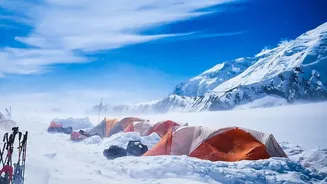
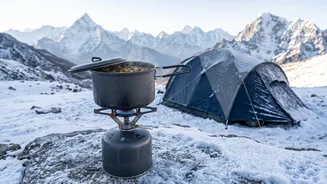
Cooking in sub-zero temperatures presents its own set of challenges. Water boils at a lower temperature at high altitudes, which means cooking times are significantly longer. Choosing the right stove is critical. While canister stoves are light, their performance can suffer in the cold. Liquid fuel stoves are generally more reliable in freezing conditions. To improve a canister stove's efficiency, experienced campers keep the canister warm in a pocket or sleeping bag before use. A stable platform is crucial, as the heat from the stove can melt the snow underneath, causing it to sink. A small baseplate or even digging a small kitchen area in the snow can solve this. To conserve fuel, many use a pot cozy—an insulated sleeve that wraps around the pot after the water has boiled, allowing the food to continue cooking without using more gas. Hydration is just as important as food. Since you'll likely be melting snow for water, a high-efficiency stove and a large pot are essential for a steady supply.
The Art of Layering: More Than Just a Warm Jacket
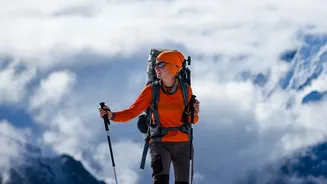
Staying warm isn't about wearing one thick jacket; it's about a strategic, multi-layer system that you can adjust as your activity level and the weather change. The system has three core components. The base layer, worn next to the skin, wicks sweat away to keep you dry. Materials like merino wool or synthetics are ideal; cotton should be avoided at all costs as it holds moisture and chills the body. The mid-layer is your insulation. This is typically a fleece jacket or a down/synthetic puffer jacket that traps your body heat. A fleece is versatile for hiking, while a puffer is great for the evenings at camp. The outer layer, or shell, is your shield against wind and snow. A waterproof and windproof jacket is non-negotiable. This three-part system applies to your entire body, including your legs, which should be protected with thermal bottoms and waterproof pants.
Conquering the Cold Night: Your Sleep System
A good day on the trail starts with a warm night's sleep. The key to staying warm in a tent is insulation from both the air and the ground. Your sleeping bag should have a temperature rating appropriate for the extreme cold you'll face. But a sleeping bag is only half the battle. A significant amount of body heat is lost to the cold ground, which is why a high-quality, insulated sleeping pad is crucial. Many winter campers use two pads: a closed-cell foam pad on the bottom and an inflatable pad on top for maximum insulation. Simple tricks can make a big difference. Changing into a completely dry set of clothes before bed is essential, as any moisture from the day's sweat will make you cold. Filling a Nalgene bottle with hot water and placing it in your sleeping bag near your core acts as a personal heater throughout the night. Wearing a warm hat and even a balaclava to bed prevents heat loss from your head.