

The Endless Cycle of Microtrends
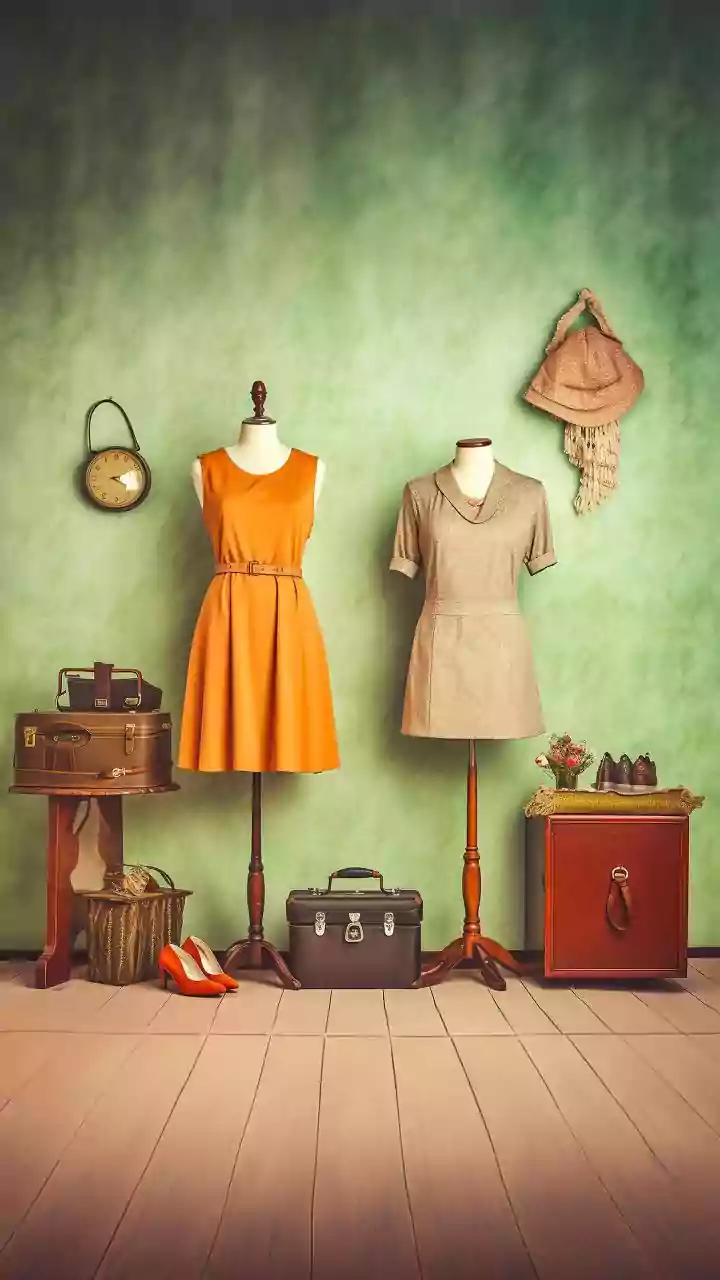
First, let's define the culprit: microtrends. These are short-lived fads, often popularised on social media, that emerge and fade within months, or even weeks. Think of styles like “cottagecore” or specific colour crazes that dominate your feed and then
disappear just as quickly. Fast fashion brands excel at churning out these looks at lightning speed and for low prices, creating a culture of disposability. This relentless cycle pressures us to constantly update our wardrobes to stay current, leading to overconsumption and the feeling that our clothes are outdated almost as soon as we buy them. The result is often psychological burnout and trend fatigue, making fashion feel less like a form of self-expression and more like a race you can’t win.
The Shift to 'Forever' Pieces
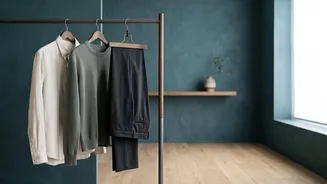
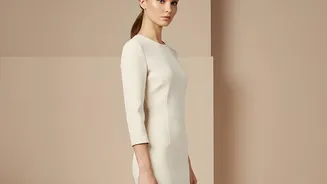
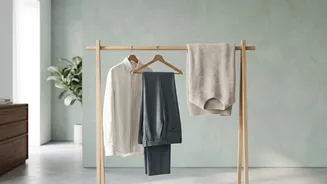
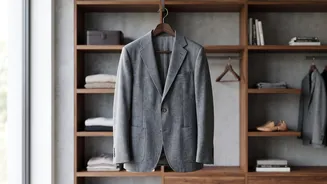
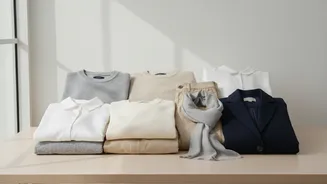
In response, many are embracing a more intentional approach, prioritising “repeat-worthy” clothes. This isn't about having a boring wardrobe. It’s about curating a collection of high-quality, versatile items that you genuinely love and that reflect your personal style, not a fleeting algorithm. These are the reliable jeans, the perfect white shirt, or the blazer that makes you feel instantly put-together. The focus is on longevity and timeless design over temporary novelty. By investing in pieces that last, the goal is to create a wardrobe where every item works together, allowing you to build dozens of outfits from a smaller, more cohesive collection of clothes.
Why Is This Happening Now?
Several factors are driving this change. Firstly, there's a growing awareness of fashion's environmental impact. The industry is a major contributor to global carbon emissions and water consumption, with millions of tons of textile waste generated annually. Conscious consumers, particularly from younger generations, are increasingly seeking ethical alternatives and demanding transparency from brands. Secondly, it makes economic sense. While a well-made classic piece might cost more initially, its value is realised over time through repeated wear—a concept known as 'cost-per-wear'. Finally, there's the appeal of simplicity. A curated wardrobe reduces decision fatigue, the mental exhaustion from making too many choices, which frees up time and reduces daily stress.
How to Build a Repeat-Worthy Wardrobe
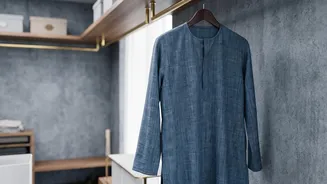
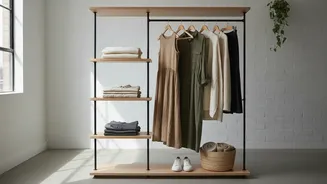
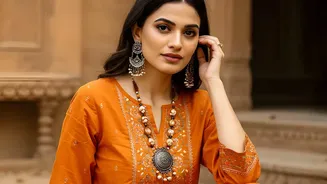
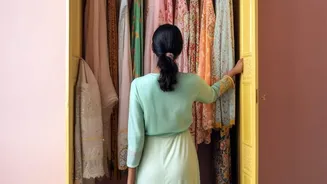
Making the switch doesn't require a complete overhaul overnight. Start by auditing your current closet. Separate clothes into piles: items you wear all the time, those you wear occasionally, and those you rarely touch. This helps you understand what truly works for you. When you do shop, do it with intention. Prioritise quality over quantity, focusing on natural, durable fabrics like cotton, linen, or khadi that are well-suited to the Indian climate. Opt for versatile, neutral colours that are easy to mix and match. Before buying something new, ask yourself if you'll wear it at least 30 times and if it genuinely fits your personal style, not just a passing trend.
The Joy of Repeating Outfits
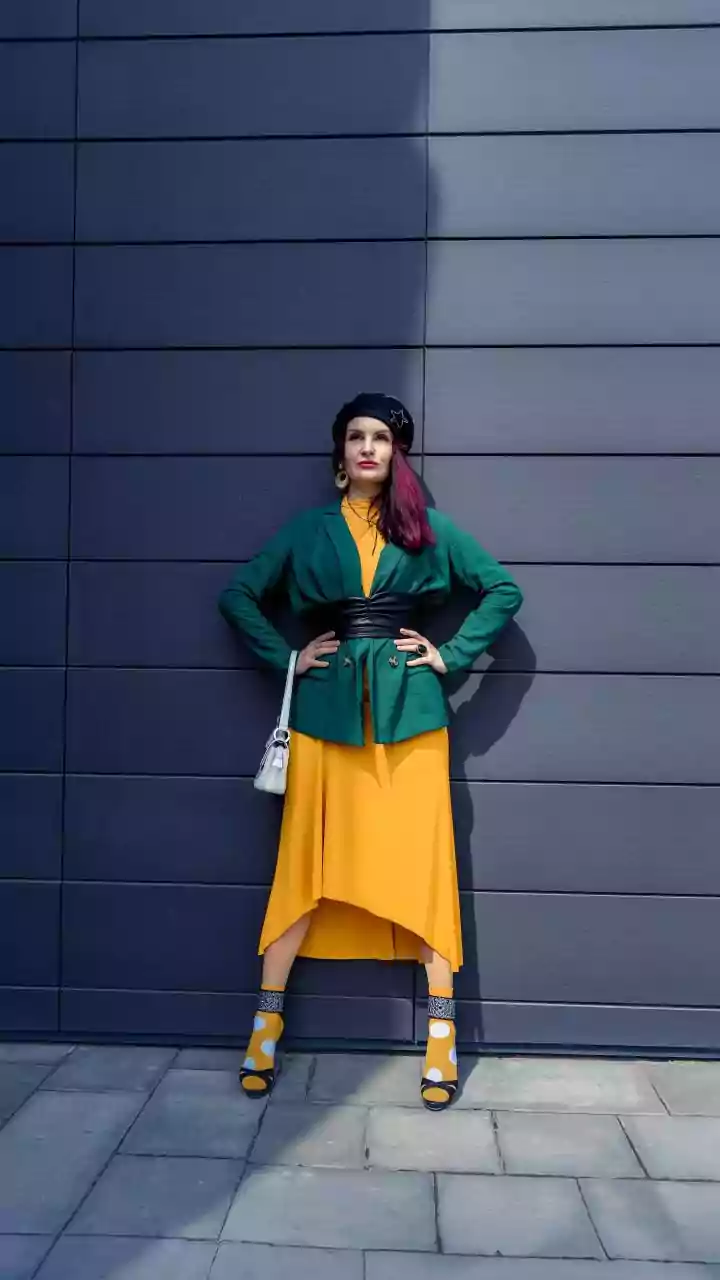
Embracing repeat-worthy clothing redefines the idea of style. It’s not about hiding the fact you’ve worn something before; it’s about having the confidence to wear what you love. Style comes from how you put pieces together, not from an endless supply of newness. You can change the entire mood of a core outfit simply by changing your accessories, shoes, or layering. This approach is more sustainable, less stressful, and ultimately more personal. It’s about building a relationship with your clothes and finding joy in a wardrobe that truly serves you, season after season.