





First Off, What Is Kombucha?
Before we get to the mango magic, let’s demystify the main event. Kombucha is a fermented, lightly effervescent, sweetened black or green tea drink. It’s made by adding a SCOBY (Symbiotic Culture Of Bacteria and Yeast) to brewed tea and sugar. The SCOBY,
which looks a bit like a rubbery pancake, goes to work over a week or two, fermenting the sugar and transforming the tea into a tangy, fizzy beverage packed with beneficial compounds. Think of it as a healthier, more complex cousin to your average fizzy drink. It has ancient roots, believed to have originated in China over 2,000 years ago, but its modern revival is firmly planted in the global wellness movement.
The Gut-Friendly Probiotic Punch
The primary reason kombucha has captured the attention of health-conscious consumers is its probiotic content. The fermentation process creates a host of live bacteria and yeasts that are considered probiotics. In simple terms, probiotics are 'good' bacteria that help maintain a healthy balance in your gut microbiome. A balanced gut is linked to a wide range of health benefits, including improved digestion, a stronger immune system, and even better mental clarity. While kombucha is not a medical cure-all, incorporating probiotic-rich foods and drinks into your diet is a widely recommended strategy for supporting overall digestive wellness. The live cultures in a well-made kombucha are what set it apart from pasteurised juices or sugary sodas.
Why Mango Is the Flavour of the Moment
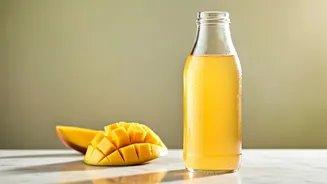
While kombucha comes in countless flavours, from ginger to hibiscus, mango has a special appeal for the Indian palate. It’s a flavour that’s deeply familiar, comforting, and associated with pure, natural sweetness. The tropical, fruity notes of mango perfectly balance the inherent tanginess of the fermented tea, creating a drink that is both sophisticated and incredibly drinkable. For those new to kombucha, a mango-flavoured brew is often the perfect entry point. It bridges the gap between a traditional, beloved fruit and a modern wellness trend, making it feel both exciting and accessible.
Decoding 'Clean' and 'Safe' Kombucha
This is where being a smart consumer pays off. The word 'clean' on a label typically implies that the product is made with high-quality, often organic, ingredients and is free from artificial sweeteners, flavours, and preservatives. Look for brands that list simple ingredients: water, tea, cane sugar (for fermentation), SCOBY, and real mango puree or juice. The 'safely' aspect is even more critical. Home-brewing kombucha can be risky if not done in sterile conditions, leading to contamination. Commercially produced kombucha from reputable brands offers a much safer alternative. In India, check for FSSAI certification on the bottle. Another safety point is alcohol content. Fermentation naturally produces a trace amount of alcohol. Most commercial brands keep this below 0.5% to be classified as a non-alcoholic beverage, but it’s always wise to check the label, especially if you are avoiding alcohol entirely.
Is It Worth the Hype (and the Price)?
Artisanal kombucha doesn’t come cheap. So, is it a worthy addition to your grocery list? If you're looking for a flavourful, low-sugar alternative to sodas and packaged juices, the answer is a resounding yes. It offers the satisfaction of a fizzy drink with the added potential benefits of probiotics and antioxidants from the tea. However, it’s important to manage expectations. Kombucha is a wellness beverage, not a magic potion. Its health benefits are best realised as part of a balanced diet and healthy lifestyle. Think of it as a functional treat—something that tastes good while also doing some good for your body. The internet praise is less about a miracle cure and more about the simple joy of finding a drink that is both delicious and genuinely better for you.