




The Great Breakfast Spread Swap
For years, chocolate-hazelnut spreads were a go-to for a quick, indulgent breakfast or snack, especially popular with children. Brands like Nutella became household names, synonymous with a sweet treat on toast or pancakes. But a shift is underway. Walk
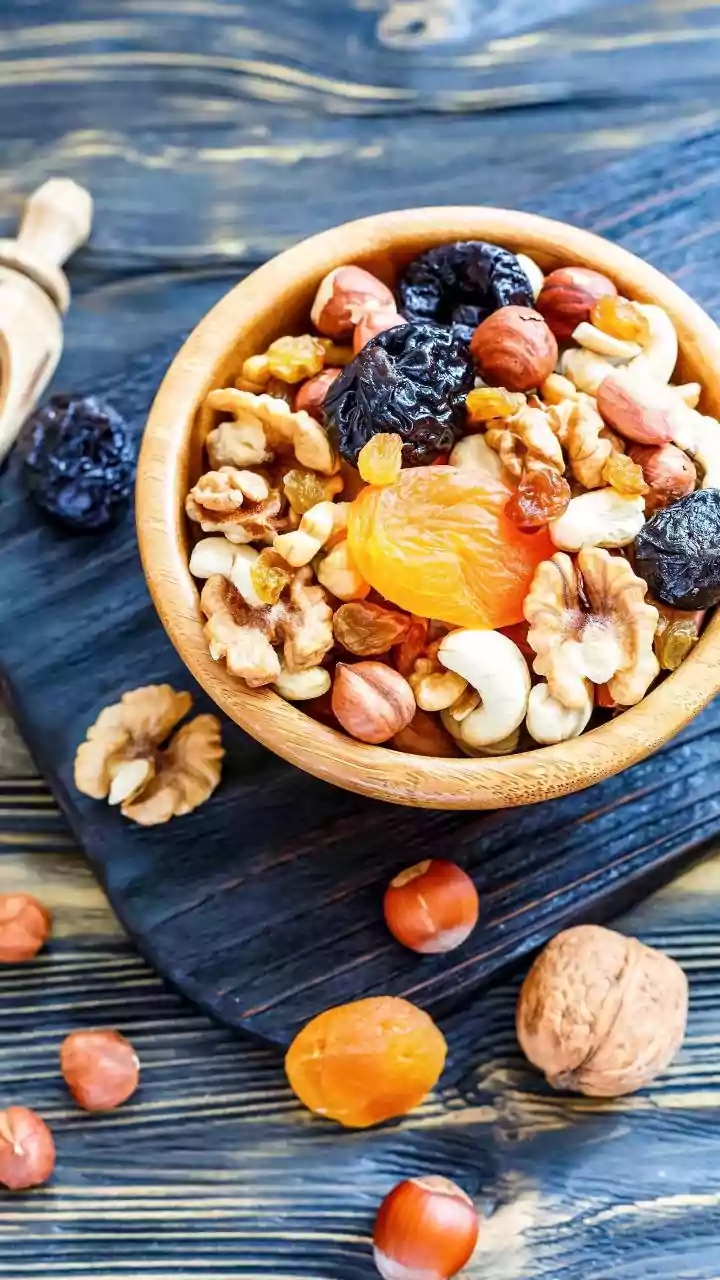
down the aisle of any major supermarket, and you'll see a growing array of peanut, almond, and cashew butters vying for shelf space. This isn't just about adding variety; it's a conscious choice. Consumers are trading the sugar rush for sustained energy. The Indian peanut butter market, for instance, is seeing significant growth, driven by consumers seeking protein-rich and filling options to start their day. This move from a simple sweet spread to a functional food marks a fundamental change in what Indians want from their packaged foods.
Driven by Health and Wellness
The primary engine behind this trend is a massive surge in health consciousness. Spurred by greater access to information online and a growing awareness of lifestyle diseases like diabetes and obesity, Indian consumers are reading labels more carefully than ever before. A recent survey highlighted that a vast majority of Indians now prefer to check ingredients and nutritional value before buying snacks. Words like 'protein,' 'fibre,' 'healthy fats,' and 'no added sugar' have become powerful purchasing triggers. Nut butters fit this new paradigm perfectly. They are seen as a source of good fats and protein, aligning with the fitness and wellness culture promoted by social media influencers. This move towards 'clean labels' and transparent ingredients shows that consumers are no longer just buying a product; they are investing in their long-term health.
A Reflection of New Urban Lifestyles
This dietary shift also mirrors the realities of modern urban Indian life. With rising disposable incomes, busy work schedules, and increasing exposure to global trends, convenience has become key, but not at the cost of health. Quick, easy-to-prepare meals are essential, and healthy spreads offer a solution that is both practical and nutritious. The growth of e-commerce has also played a pivotal role, making a wide variety of national and international health food brands accessible with just a click. This digital access, combined with a willingness to experiment with new, premium products, indicates a consumer base that is more globally connected and aspirational than ever before. Choosing an artisanal almond butter over a mass-market jam is a small lifestyle upgrade that reflects these larger economic and cultural changes.
Beyond the Breakfast Table
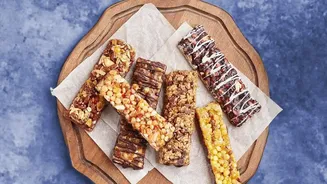
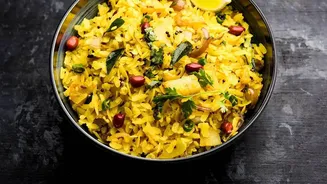
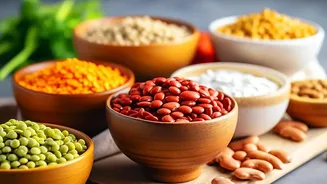
The swap from chocolate spreads to nut butters is just one example of a much broader trend. Across the kitchen, similar changes are taking place. Polished white rice is being replaced with nutrient-dense millets and brown rice. Deep-fried evening snacks are making way for roasted makhana (fox nuts) and spiced chana. Sugary colas and packaged juices are being swapped for coconut water or infused water. Even in cooking, heavy cream-based gravies are being reimagined with yogurt or tomato purées to cut down on fat without sacrificing flavour. Another direct parallel to the spread swap is the rise of protein bars as an alternative to conventional chocolate bars for a quick energy boost on the go. Each of these swaps tells the same story: Indians are actively seeking ways to make their traditional food habits healthier without drastic sacrifices.
How the Market is Responding
India's food industry has been quick to notice this shift. Both agile startups and established FMCG giants are innovating to meet the demand. The market is now flooded with 'better-for-you' options, including organic, sugar-free, and fortified products. We are seeing peanut butters enriched with whey protein for gym-goers, chocolate spreads made with jaggery instead of refined sugar, and a dizzying variety of plant-based butters. This spirit of innovation shows that brands understand the new Indian consumer is discerning. They want products that are not only tasty and convenient but also align with their personal health and wellness goals, creating a dynamic and rapidly evolving food landscape.