






The Race to One Crore Rooftops
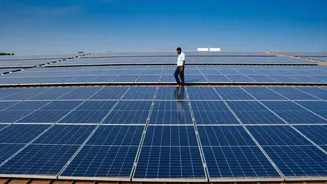
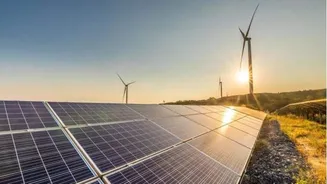
India is in the midst of a massive renewable energy drive, with a particular focus on decentralised power through rooftop solar. The government's flagship 'PM-Surya Ghar: Muft Bijli Yojana' aims to solarise one crore households, offering significant subsidies
and low-interest loans to make it happen. Launched in early 2024, the scheme has seen a surge in applications, propelling the nation closer to its ambitious clean energy goals. In tandem, a major skilling component was announced, anticipating the creation of around 100,000 jobs for solar PV technicians who will install and maintain these systems. The strategy involves short-term training programs for individuals with existing electrical or related trade qualifications, aiming to rapidly build a large workforce. On paper, it's a perfect synergy: creating green jobs while decarbonising the grid, one roof at a time.
A Different Kind of Challenge
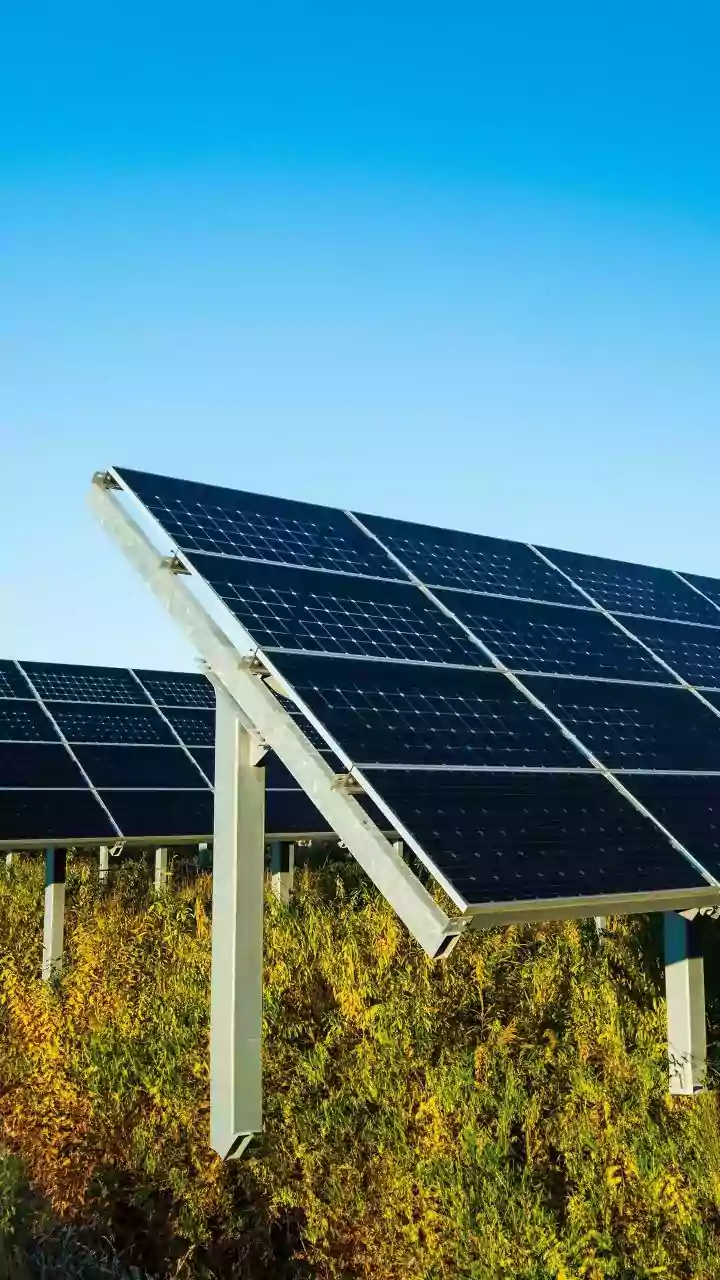
The problem is that rooftop solar is fundamentally different from installing large, utility-scale solar farms. While a solar farm involves standardised, repetitive work on open land, a residential installation is a complex, customised project. Each roof is unique, requiring a skilled assessment of its structural integrity, orientation, and potential shading from nearby trees or buildings. Just a 10% shadow on a panel can slash its output by half. The workforce for rooftop solar doesn't just need to know how to connect wires; they need a broader skill set that includes site evaluation, structural knowledge, customer communication, and customised design to ensure the system performs optimally and safely. This is where a simple focus on churning out large numbers of technicians with basic installation skills falls short.
The High Cost of Poor Workmanship
When installations are carried out by undertrained personnel, the consequences can be severe. Improperly mounted panels can damage roofs, leading to leaks, mould, and costly structural repairs. Faulty wiring is not just an efficiency issue; it's a serious fire hazard. These risks are not merely theoretical. Across the country, stories of underperforming systems and unprofessional installers have already created a trust deficit among potential consumers. A poorly executed project can quickly turn a family's green energy dream into a financial nightmare, undermining consumer confidence and slowing down the very adoption the government wants to encourage. The long-term success of the 'PM-Surya Ghar' scheme depends not just on hitting installation targets, but on ensuring that each system delivers on its promise of reliable, free electricity for decades.
The Case for a Skills Audit
This brings us to the urgent need to review our current solar skilling strategy. The emphasis must shift from quantity to quality, from basic installation to a more holistic curriculum. Existing training modules, while a good start, often focus heavily on the basics of PV technology and standard installation. A revised approach should incorporate more comprehensive training on site assessment, including shading analysis and roof load calculations. It should include advanced modules on system design, inverter configuration, grid integration, and troubleshooting complex electrical issues. Crucially, soft skills like customer education and service are vital, as technicians are the primary point of contact for homeowners. The industry has long highlighted the poor quality of some existing training programs as a major challenge. Partnering more closely with industry leaders to align curricula with real-world demands is essential for bridging this gap.