





Decoding Deceptive Photos
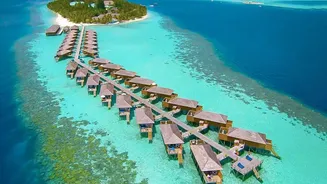
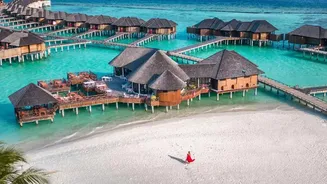
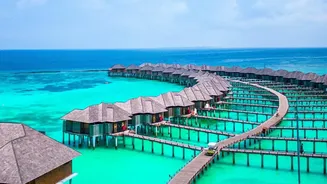
A key part of a resort's promise lies in its photos, but what you see isn't always what you get. Hotels have long used clever photography to make properties appear more desirable. Techniques include using wide-angle lenses to make rooms and pools look
much larger than they are, or using clever cropping to hide unsightly construction next door. Some resorts may also use outdated photos that don't reflect years of wear and tear. A more recent trend is the use of AI to alter or generate images, which can create unrealistic expectations by making rooms look newer, the sky bluer, or vegetation lusher than in reality. In fact, one study found that seven in ten travelers have arrived at a destination that looked noticeably different from its online photos. To avoid disappointment, always seek out recent photos taken by actual guests on review platforms to get a more realistic sense of the property.
The Truth About Hidden 'Resort Fees'
One of the most common complaints from travelers is the mandatory 'resort fee', which can also be called a 'destination' or 'amenity' fee. This is a daily charge added to your room rate, supposedly to cover amenities like Wi-Fi, pool access, or the fitness center. These fees are often not optional, meaning you have to pay them whether you use the services or not. They typically range from $20 to over $50 per night, which can significantly inflate the total cost of your stay. Hotels use this strategy, known as 'drip pricing', to advertise a lower initial room rate to seem more competitive. While recent regulations in some areas require the total price, including mandatory fees, to be shown upfront, it's still crucial to read the fine print before booking. Always check the price breakdown or call the hotel directly to confirm all mandatory charges.
The 'All-Inclusive' Asterisk
The term 'all-inclusive' suggests a worry-free experience where everything is covered. However, the reality is often more complicated. Many packages come with significant exclusions. For example, while buffet meals are usually included, dining at specialty à la carte restaurants on the property often costs extra. Similarly, the included alcoholic beverages are typically limited to house brands, with premium or top-shelf liquor incurring a surcharge. Other common exclusions are spa treatments, motorized water sports, and off-site excursions. Some resorts even charge extra for premium poolside seating like cabanas. To avoid surprises, it's essential to get a detailed list of what your specific all-inclusive plan covers before you commit. Don't rely on the brochure; ask for the specifics of your room and rate plan.
Read Reviews Like a Detective
User reviews are your best defense against an overrated resort, but they require careful analysis. Don't just look at the overall star rating; a high score might be driven by a great location, while masking consistent complaints about room cleanliness or service. Focus on recent reviews from the last six months to get a current picture of the property, as management and quality can change over time. Look for patterns across multiple reviews rather than focusing on a single glowing or terrible one. Recurring themes about noise, poor Wi-Fi, or specific fees are red flags. It's also wise to compare reviews across different platforms, such as Booking.com, which often only allows verified guests to post, and Google or TripAdvisor. Filtering reviews by traveler type, like 'business' or 'family', can also provide insights relevant to your own needs.