

Know When and Where to Look
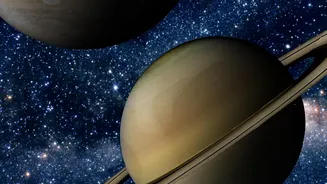
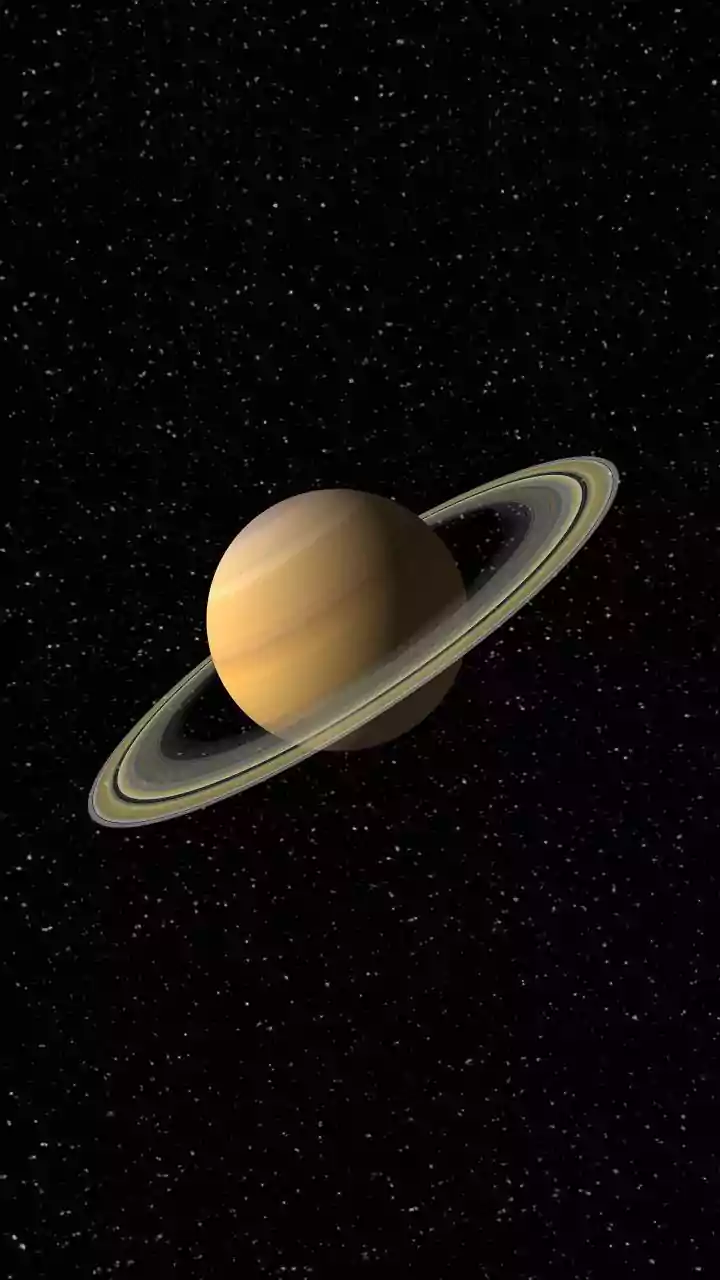
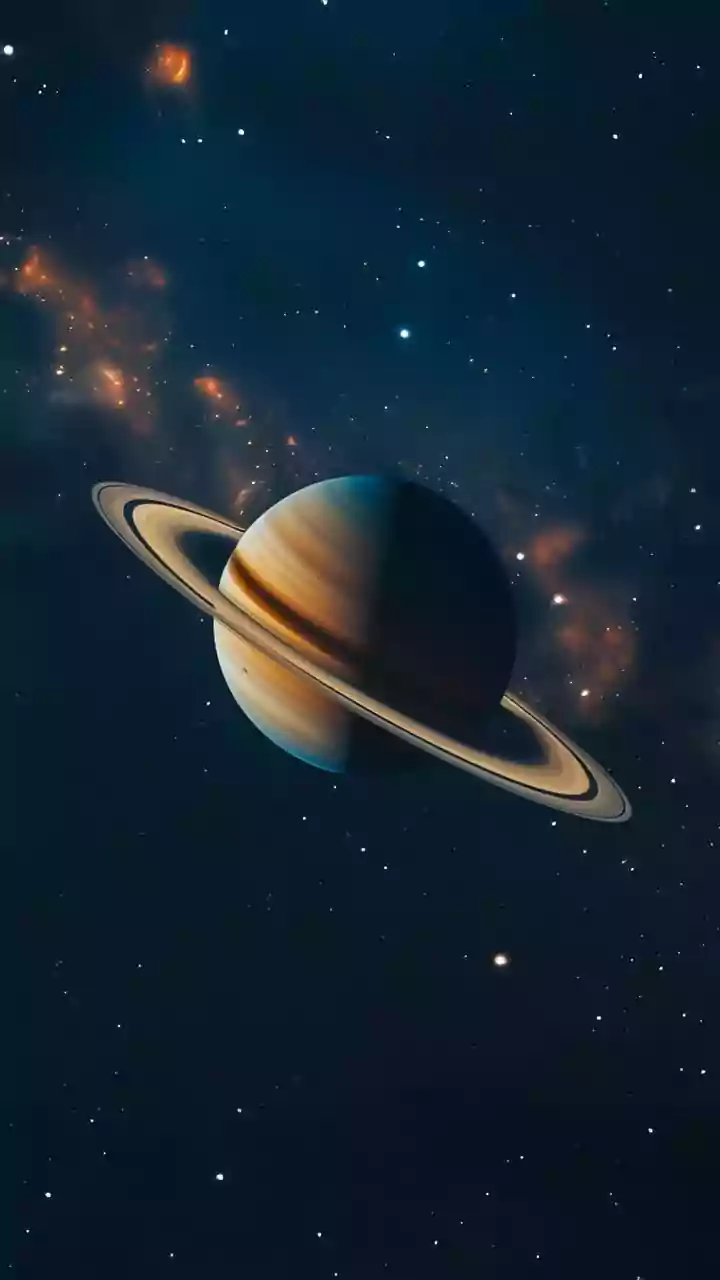
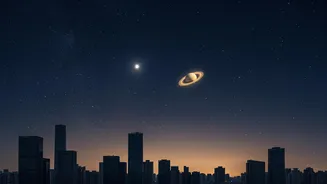
Timing is everything in stargazing. For September 2026, both Jupiter and Saturn are putting on a show. Saturn rises in the southeastern sky a few hours after sunset, making it a great evening target. It will be the only bright, steady 'star' in that direction
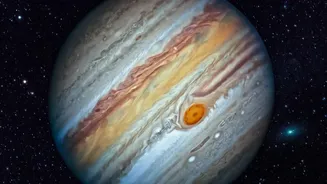
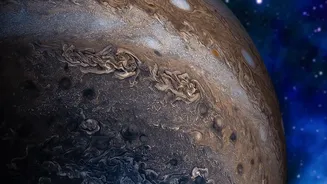
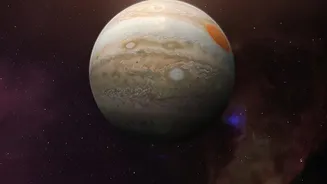
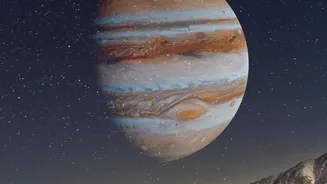
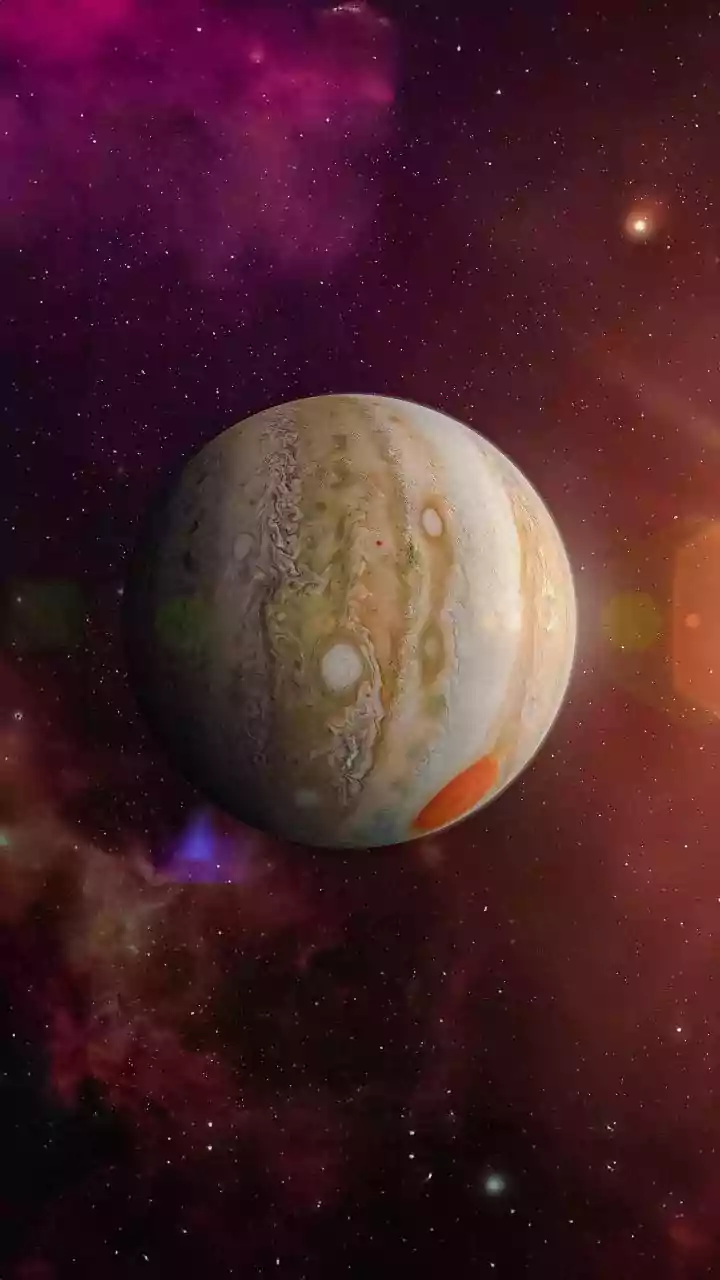
around 9:30 or 10 p.m. Jupiter makes its appearance in the early morning, rising in the east a few hours before the sun. It's one of the brightest objects in the night sky, second only to the Moon, so it's hard to miss. For an extra-special sight, look for Jupiter near the thin crescent Moon on the mornings of September 8th and 9th.
Let Your Eyes Become 'Dark-Adapted'
One of the biggest mistakes urban stargazers make is not giving their eyes enough time to adjust. It takes about 20 to 30 minutes for your pupils to fully dilate and for your eyes to build up the light-sensitive pigments needed to see faint objects. This process is called dark adaptation. Find the darkest spot you can, whether it’s a balcony, a park, or a rooftop, and simply wait. Avoid looking at your phone or any other bright lights, as a single flash of white light can reset the entire process, forcing you to start over. Shielding your eyes from ambient streetlights with a hood or even a dark cloth can make a significant difference.
Use Technology to Your Advantage
Your smartphone can be your most powerful stargazing tool. Apps like Stellarium, SkyView, and Star Walk 2 can turn your phone into a portable planetarium. Simply point your device at the sky, and the app will identify planets, stars, and constellations in real-time. This eliminates the guesswork of figuring out if that bright dot is a planet or just a passing airplane. Many of these apps have red-light modes to help preserve your night vision. You can also use online resources like light pollution maps to find darker pockets within your city, such as parks or open fields, that offer a better view.
Start with Binoculars, Not a Telescope
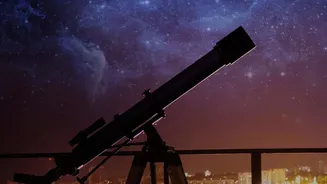
While a big telescope seems like the ultimate tool, a good pair of binoculars is often a better starting point for city observing. Planets like Jupiter and Saturn are bright enough to be easily seen without magnification, but binoculars enhance the view dramatically. They are portable, easy to use, and can reveal surprising details. With a steady hand or a simple tripod, you can often make out Jupiter's four largest moons or the elongated shape of Saturn, hinting at its famous rings. A telescope's high magnification can be difficult to manage in hazy city skies, whereas binoculars provide a wide, stable view that cuts through some of the skyglow.
Choose the Right Targets
Light pollution acts like a celestial filter, washing out faint and diffuse objects like distant galaxies and nebulae. The key to successful urban astronomy is to focus on bright targets that can punch through the glow. The Moon and planets are by far the best options. Bright star clusters are also excellent choices for city dwellers with binoculars or a small telescope. While you may not see the Milky Way from a downtown square, the solar system's brightest wanderers offer plenty of spectacle. By focusing on what's realistically visible, you can turn a potentially frustrating experience into a rewarding one.