
Kanazawa: The 'Little Kyoto' Without the Crowds
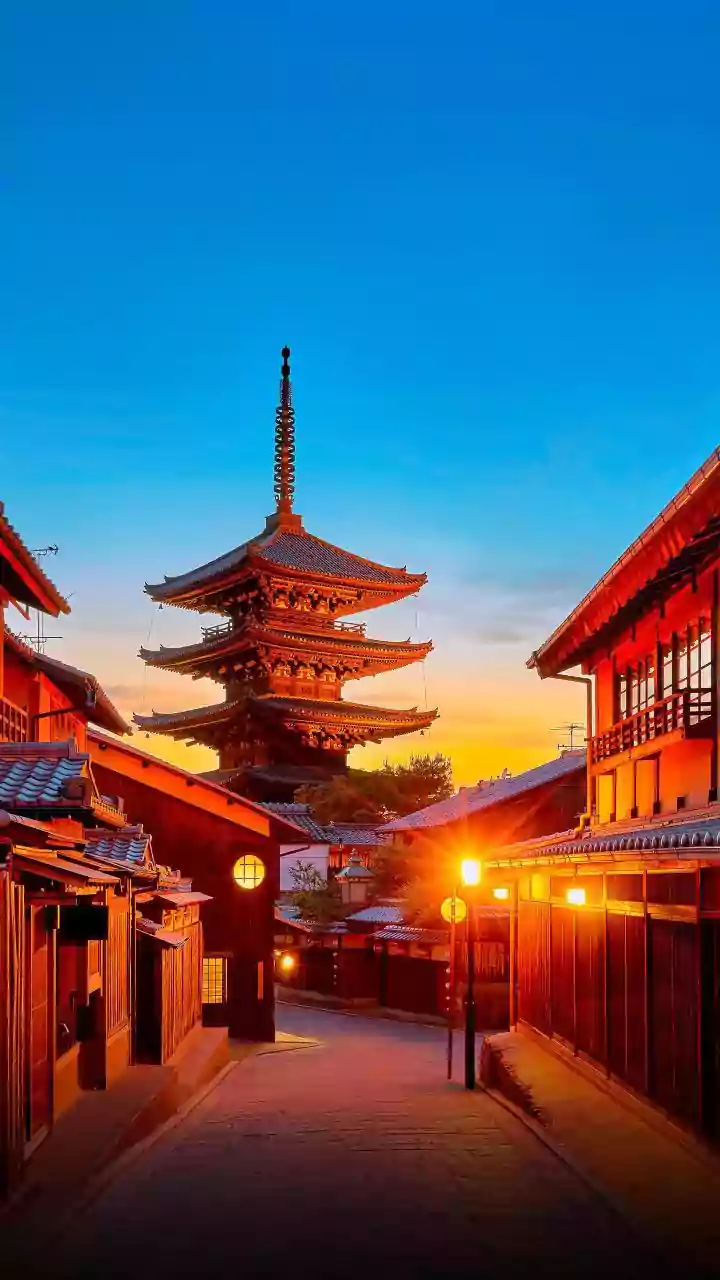
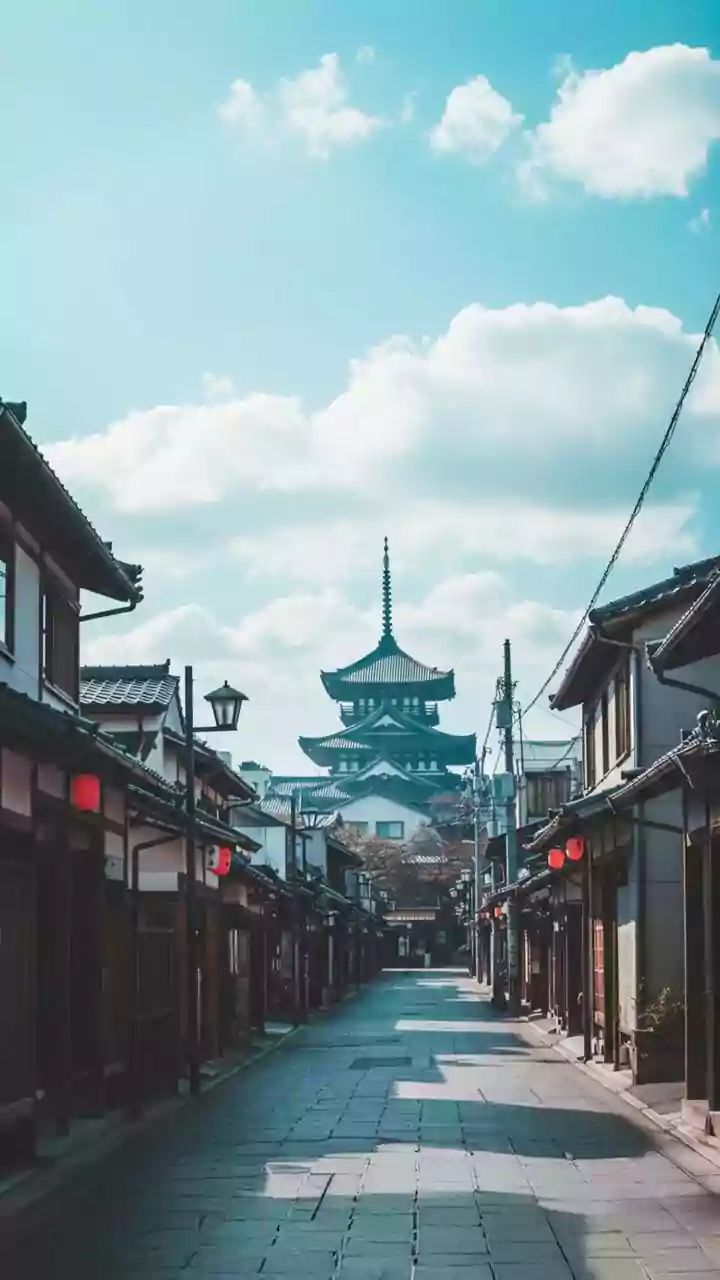
Often called 'Little Kyoto', Kanazawa offers a rich taste of feudal-era Japan with significantly fewer tourists. Having escaped bombing during World War II, its historic districts remain beautifully intact. The main attractions are wonderfully preserved
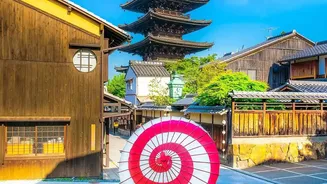
and compact, making the city easily walkable. You can wander through the Nagamachi Samurai District, where the earthen walls and private residences of samurai once stood. In the evening, the Higashi Chaya district becomes particularly atmospheric, with traditional wooden teahouses where geishas still entertain guests. Don't miss Kenrokuen Garden, which is celebrated as one of Japan's three most beautiful landscape gardens, offering stunning scenery in every season. Adjacent to the garden is Kanazawa Castle, the former seat of the powerful Maeda clan, which has been meticulously restored. For a change of pace, the 21st Century Museum of Contemporary Art provides a striking modern contrast to the city's historical treasures.
Naoshima: The Island of Contemporary Art
For art and architecture lovers, Naoshima Island in the Seto Inland Sea is a must-visit destination. This small island has been transformed into a world-class hub for contemporary art, featuring museums and installations that are integrated with the island's natural beauty. The experience begins as you arrive at Miyanoura Port, greeted by Yayoi Kusama’s iconic 'Red Pumpkin'. The island's art sites are spread out, and renting an electric bicycle is a popular and practical way to explore its hilly terrain. A highlight is the Chichu Art Museum, built mostly underground to preserve the landscape and featuring works by Claude Monet and James Turrell that are illuminated by natural light. The Benesse House Museum doubles as a hotel and features impressive art both inside and scattered across its grounds. A newer addition, the Naoshima New Museum of Art, opened in 2025 and focuses on contemporary works from across Asia. Remember that most museums are closed on Mondays and that photography is often prohibited inside.
The Kiso Valley: Walk an Ancient Samurai Trail
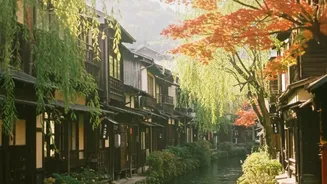
Step back in time to the age of the samurai by hiking a section of the Nakasendo Trail. This historic route once connected Kyoto and Edo (modern-day Tokyo) through the central mountains. While much of the original path is gone, the Kiso Valley in Nagano Prefecture preserves some of its most scenic and atmospheric sections. The most popular walk is the 8-kilometer stretch between the beautifully preserved post towns of Magome and Tsumago. This moderately easy hike takes about three hours and winds through forests, past farms, and alongside crystal-clear streams. These towns, once bustling with merchants, lords, and samurai, have successfully maintained their traditional Edo-period aesthetic, with wooden buildings and stone-paved streets. For a more strenuous but rewarding hike, the Torii Pass between Yabuhara and Narai offers stunning mountain views.
Shikoku: Japan’s Spiritual Island
As the smallest of Japan's four main islands, Shikoku is often overlooked by international tourists, making it a perfect destination for an authentic, crowd-free experience. The island is most famous for the 88 Temple Pilgrimage, a 1,400-kilometer route that circles the island, established by the Buddhist monk Kobo Daishi. While completing the entire journey on foot takes over a month, you can visit key temples by car or bus to get a sense of this spiritual tradition. Beyond the pilgrimage, Shikoku offers breathtaking natural beauty, from the dramatic Naruto whirlpools in Tokushima to the pristine Shimanto River in Kochi, where you can enjoy outdoor activities. Ehime prefecture is home to Dogo Onsen, one of Japan's oldest and most famous hot springs, which was said to be an inspiration for the bathhouse in the film 'Spirited Away'. Since the island lacks a direct Shinkansen connection to Tokyo, it has retained a slower, more traditional pace of life.
Hokkaido: The Untamed North
For those seeking wild, open landscapes, Japan's northernmost island of Hokkaido offers a dramatic contrast to the dense cities of the main island, Honshu. Known for its vast national parks, volcanic scenery, and world-class powder snow in winter, Hokkaido is a year-round paradise for nature lovers. In summer, the fields of Furano and Biei burst into color with lavender and other flowers. Daisetsuzan, Hokkaido's largest national park, offers incredible hiking through wild and remote terrain. Don't miss Noboribetsu, the island's most famous hot spring resort, where you can see the steaming volcanic vents of 'Hell Valley'. The charming port city of Otaru, with its preserved canal and historic warehouses, feels like a step back in time. Hokkaido also provides a unique opportunity to learn about the indigenous Ainu culture, adding another layer to your Japanese adventure.