




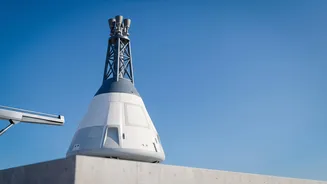
A Fail-Safe for Human Spaceflight
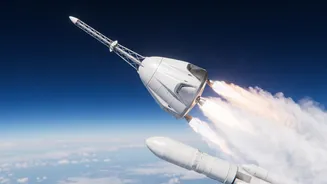
Sending humans to space is inherently risky, and the most dangerous part of the journey is the launch. The Crew Escape System (CES) is the ultimate insurance policy, designed to whisk the astronaut capsule away from its powerful rocket in milliseconds
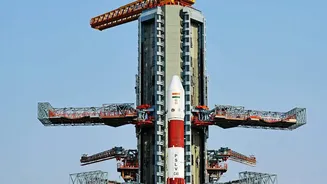
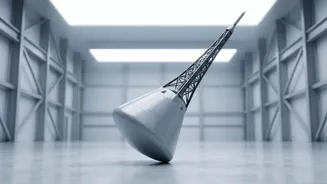
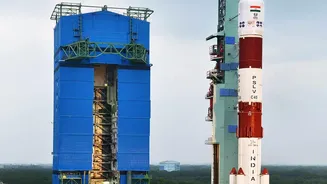
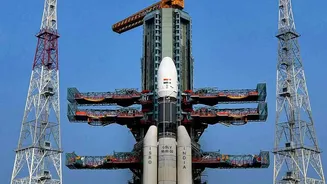
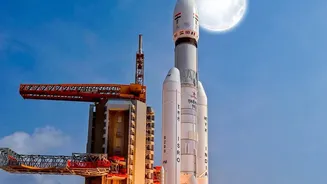
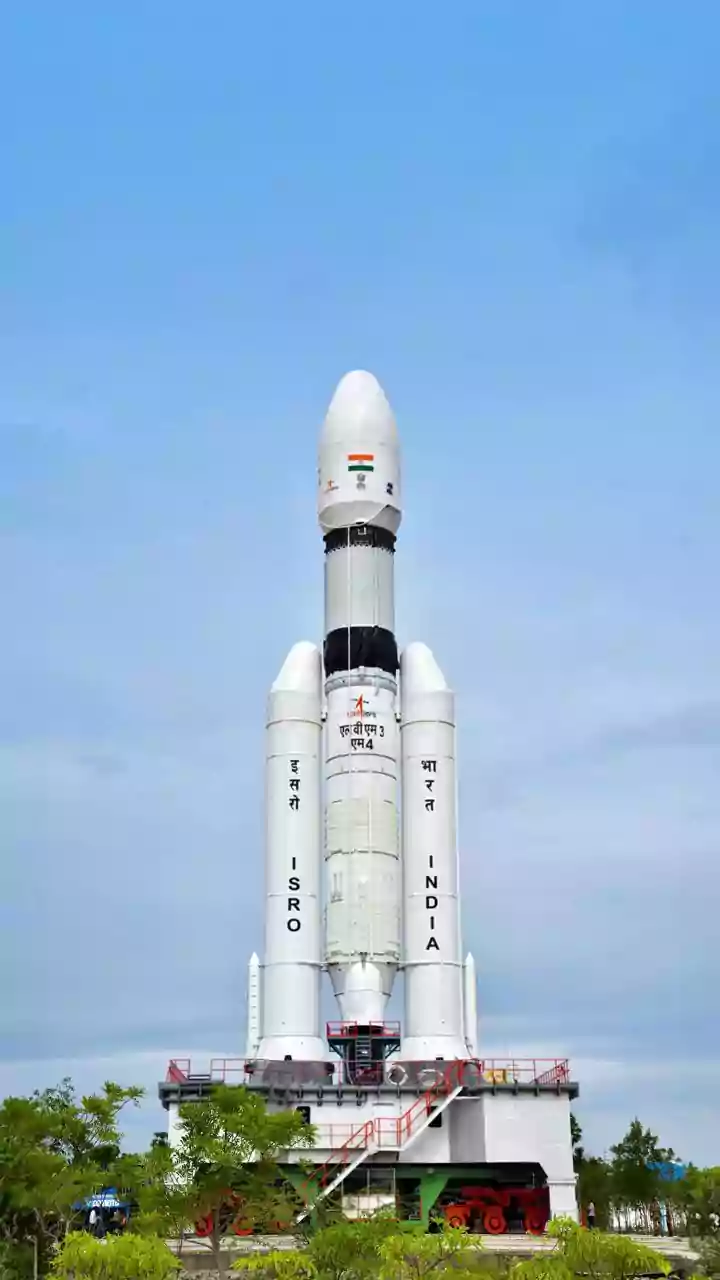
if anything goes wrong. For the Gaganyaan mission, ISRO has developed a 'puller' type CES, a tower-like structure mounted at the very top of the human-rated LVM3 rocket. This system is armed with quick-acting, high-burn solid motors that can generate immense thrust, pulling the Crew Module and its occupants clear of a failing launch vehicle with acceleration greater than the rocket itself.
The Brains of the Operation
The decision to abort a launch is not made lightly, nor is it left to human reflex. An advanced network of sensors and software, called the Integrated Vehicle Health Management System (IVHM), serves as the mission's vigilant nerve center. This system continuously monitors thousands of critical parameters of the launch vehicle and crew systems in real-time, from pressure and temperature to engine performance. If the IVHM detects any deviation from safe operating limits—such as a loss of thrust, a dangerous change in direction, or a structural issue—it can autonomously trigger the Crew Escape System to activate. This ensures that an escape can be initiated faster than any human could react, a critical factor when dealing with rocket speeds.
Escape from the Launchpad
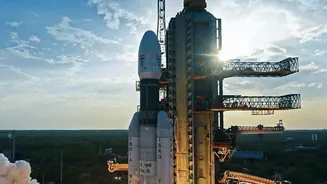
An emergency can happen even before the rocket leaves the ground. A 'Pad Abort' is designed for a worst-case scenario on the launchpad, such as a fire or an imminent explosion. In such an event, the CES motors would fire with maximum force to rapidly propel the Crew Module upwards and away from the danger zone. ISRO has rigorously tested this scenario, demonstrating in its Pad Abort Test that the system can safely recover the module. During the test, the escape system lifted the capsule to an altitude of nearly 2.7 km before it arced over the Bay of Bengal for a safe splashdown.
Aborting Mid-Flight
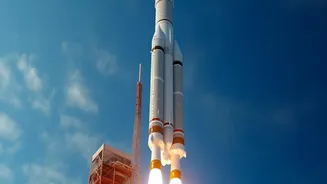
An anomaly during the ascent phase, when the rocket is hurtling through the atmosphere at supersonic speeds, presents a different challenge. The CES is designed to handle this 'In-flight Abort' as well. The system is engineered to function at various altitudes, using different motors like the Low Altitude Escape Motor (LEM) and High Altitude Escape Motor (HEM) to steer the capsule clear of the rocket's path. ISRO successfully demonstrated this capability in the Test Vehicle Abort Mission-1 (TV-D1) in October 2023. In that test, an abort was deliberately triggered at an altitude of about 17 km and a speed of Mach 1.2, proving the system works under the most intense aerodynamic stress.
From High-Speed Ejection to Gentle Splashdown
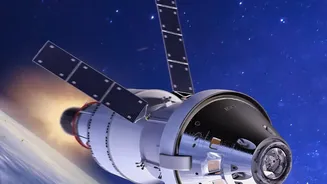
Once the Crew Escape System has pulled the module to a safe distance, its job is done. The escape tower jettisons, and an intricate, automated sequence begins to bring the astronauts down safely. This relies on a complex deceleration system featuring a total of 10 parachutes. First, two small Apex Cover Separation parachutes deploy to remove the protective cover. They are followed by two drogue parachutes that stabilize the rapidly falling capsule and reduce its velocity. Finally, three main parachutes are extracted by pilot chutes to slow the module to a safe speed for a gentle splashdown in the ocean. With redundancy built-in, only two of the three main parachutes are needed for a successful landing.