



The New College Trip Blueprint
For years, the default post-exam celebration involved sun, sand, and shacks. But a significant shift is underway. Travel operators and booking platforms are reporting a massive surge in interest from college groups for packages that combine adventure
sports with nature-centric accommodation. Instead of predictable party destinations, students are now actively seeking experiences that offer both an adrenaline rush and a chance to disconnect in a meaningful way. This isn't just about finding a new place to go; it's about redefining what a memorable group trip looks like. The focus has moved from passive leisure to active, shared experiences that create stronger bonds and more lasting memories.
Adrenaline Meets Serenity
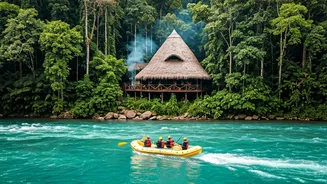
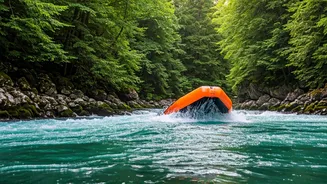
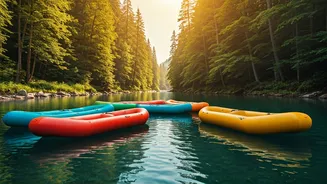
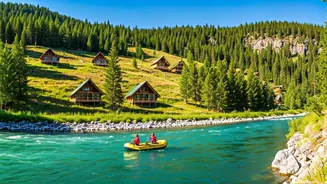
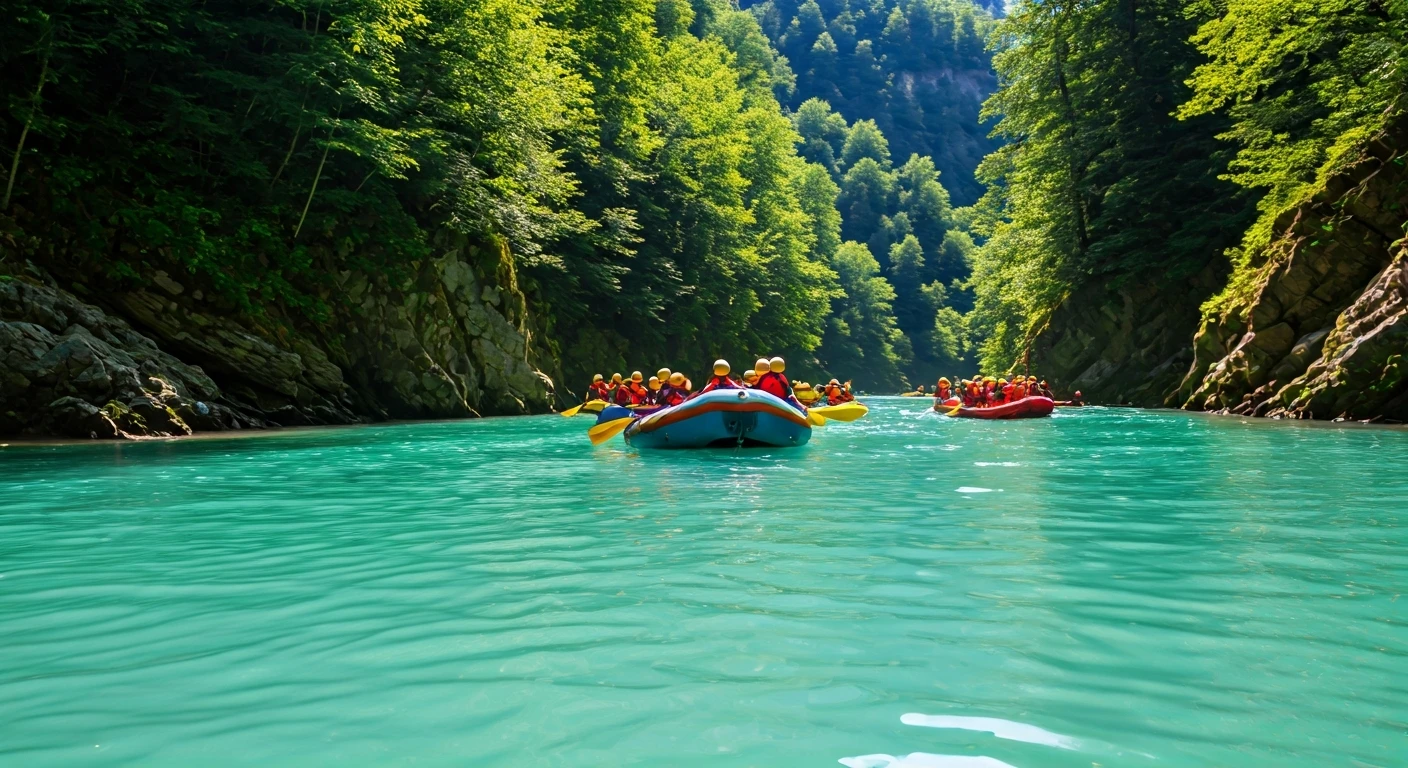
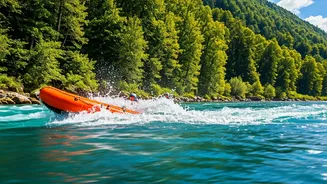
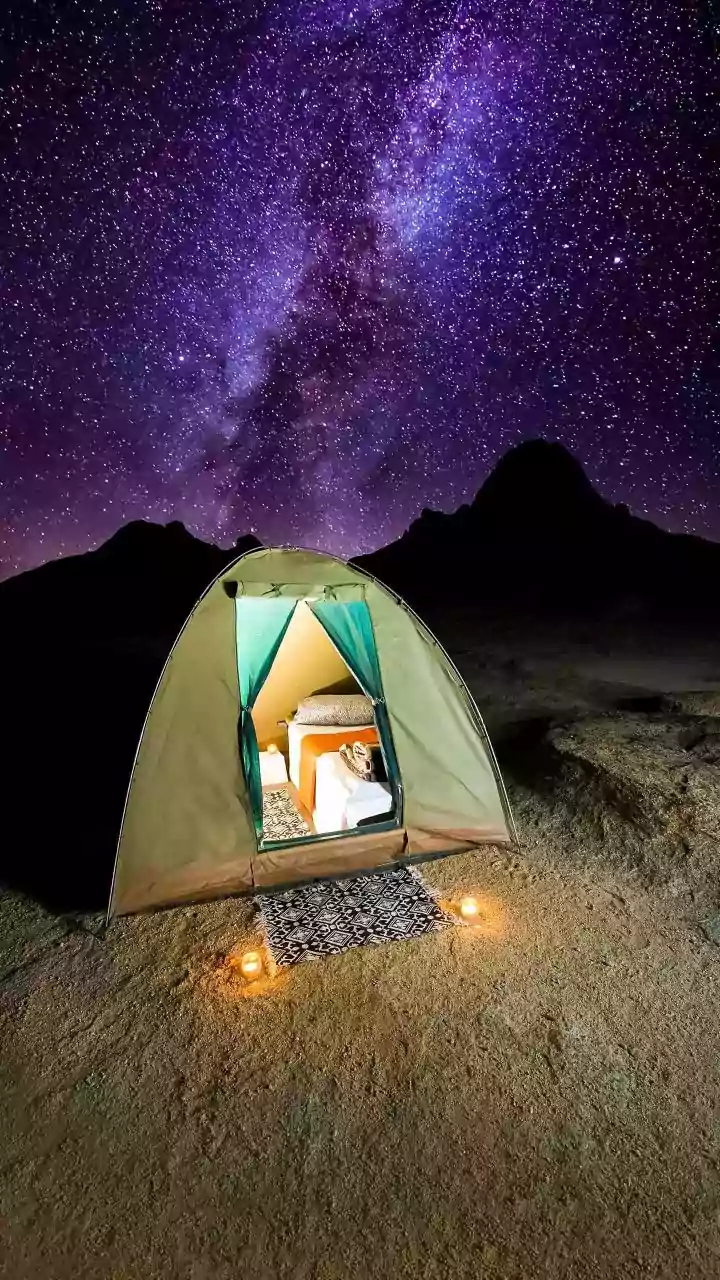
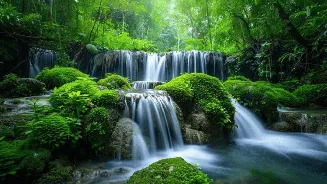
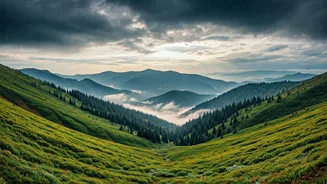
The magic of this combination lies in its perfect balance. The day is spent navigating turbulent rapids, a high-energy activity that requires teamwork, focus, and a healthy dose of courage. It’s a collective challenge that pushes friends together. Then, instead of retreating to a noisy hotel in a crowded town, the group returns to a quiet eco-stay. This could be a riverside camp with comfortable tents, a cottage made from sustainable materials, or a homestay nestled in the hills. The evenings are for bonfires, stargazing, and conversations, not loud music and crowded clubs. This contrast—from the chaotic energy of the river to the profound calm of nature—offers a more holistic and restorative escape from the pressures of academic life.
Why This, Why Now?
Several factors are fuelling this trend. The post-pandemic world has instilled in many a deeper appreciation for the outdoors and a craving for authentic experiences. After months of being confined indoors, the appeal of open spaces, fresh air, and physical activity is stronger than ever. Furthermore, there's a growing environmental consciousness among Gen Z. The term ‘eco-stay’ isn't just a buzzword; it resonates with a generation that values sustainability. Opting for a lodge that minimizes its environmental footprint over a conventional hotel is a choice that aligns with their values. It’s a form of consumption that feels more responsible and intentional.
The Instagram-Worthy Experience
Let's be honest: in 2024, if a trip isn't documented, did it even happen? This new travel combo is incredibly social media-friendly. The visuals are dynamic and diverse. You have the high-octane action shots on the raft—friends screaming with a mix of fear and delight as water splashes everywhere. Then you have the aesthetic, tranquil content from the eco-stay: misty morning views from a balcony, artistic shots of rustic decor, and candid moments around a campfire. This variety makes for a compelling digital story that goes beyond the typical beach-and-sunset photos. It tells a richer tale of adventure, friendship, and a connection with nature, which gets far more engagement and feels more authentic to their followers.
Beyond Rishikesh: The Emerging Hubs
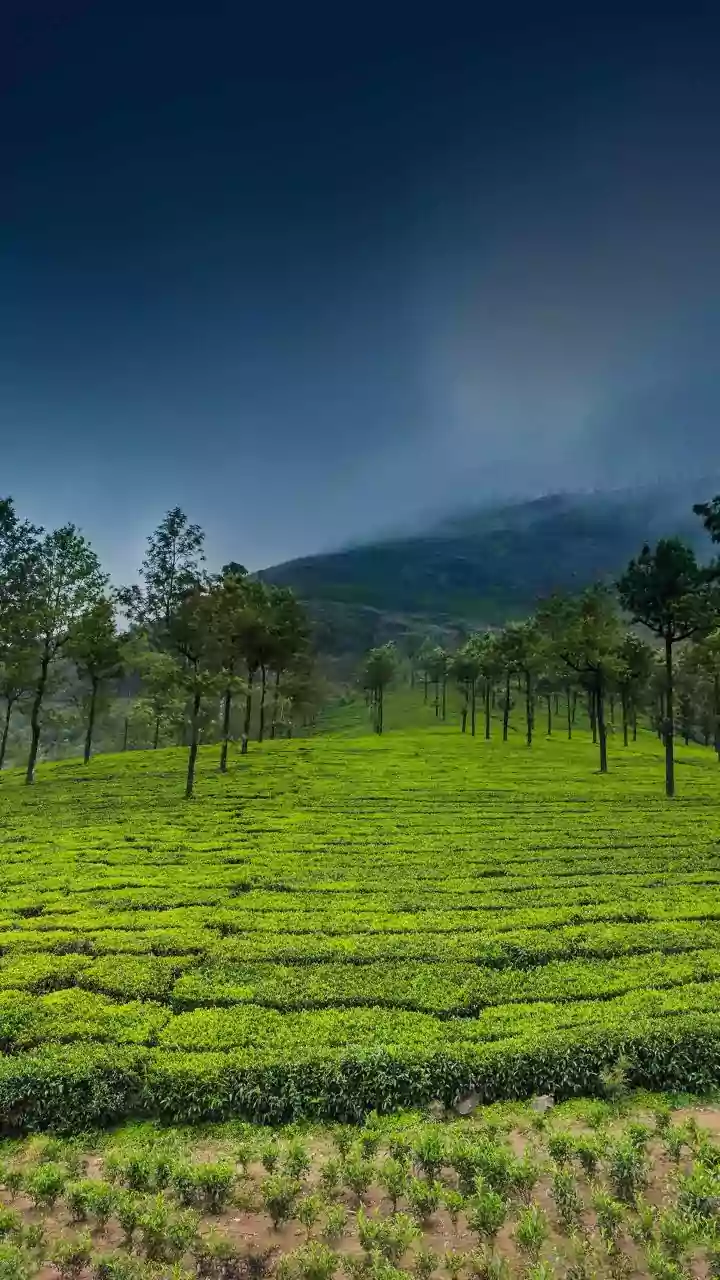
Rishikesh in Uttarakhand remains the undisputed champion for river rafting in India, and its proximity to numerous eco-camps makes it the epicentre of this trend. But the demand has spilled over into other regions. Kolad in Maharashtra, on the Kundalika River, has become a popular weekend getaway from Mumbai and Pune, offering similar raft-and-stay packages. In the south, Coorg in Karnataka offers thrilling rafting on the Barapole River, paired with stays in stunning coffee plantations and eco-lodges. For the more intrepid, the Beas River near Manali in Himachal Pradesh provides a colder, more challenging rafting experience, with plenty of charming homestays and guesthouses in the surrounding valleys. These options make the trend accessible to students across the country.