





The Rain Shadow Sanctuary
The destination in question is the Spiti Valley in Himachal Pradesh. Tucked away in the trans-Himalayan region, Spiti is a cold desert that lies in a 'rain shadow.' The towering Himalayan ranges to its south block most of the moisture-laden monsoon clouds,
resulting in a stark, arid landscape that receives minimal rainfall even in the peak of August. While surrounding areas like Manali and Shimla contend with heavy showers and potential landslides, Spiti offers a travel window with predominantly sunny days and pleasant weather, with daytime temperatures hovering between 15 and 25 degrees Celsius.
A Landscape of Raw Beauty
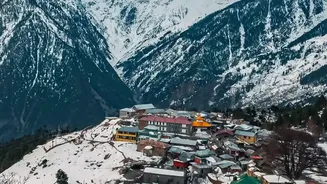
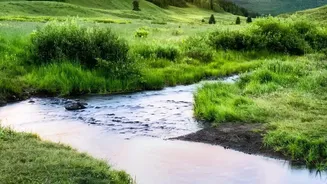
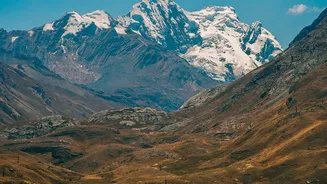
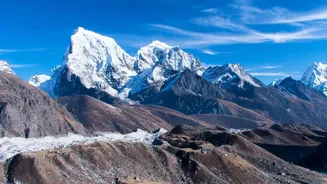
Visiting Spiti in August means seeing the valley in a unique phase. While it's a desert, the limited rain and snowmelt from the summer months bring a surprising flush of life. You'll find patches of green barley fields and blooming wildflowers contrasting with the barren, brown mountains. The rivers run full and the skies are often a brilliant blue, providing photographers and nature lovers with dramatic vistas. This is a world of vast landscapes, ancient monasteries perched on cliffs, and some of the highest inhabited villages on the planet. The air is crisp, the views are endless, and the sense of remoteness is profound.
What to Experience in August
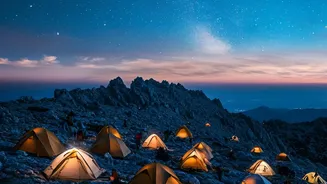
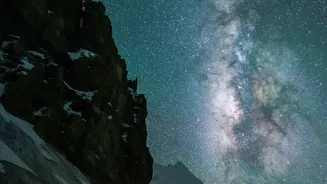
August is an ideal month for exploring Spiti's cultural and natural treasures. The roads are generally clear of snow, making most sites accessible. You can visit the iconic Key Monastery, the largest in Spiti, which offers panoramic views of the valley. The Tabo Monastery, a UNESCO World Heritage site known as the 'Ajanta of the Himalayas' for its ancient murals, is another must-see. Adventure seekers can trek to the serene Chandratal Lake, a crescent-shaped body of water surrounded by high peaks, with camping opportunities under star-lit skies. You can also explore high-altitude villages like Kibber, Langza, and Hikkim, home to the world's highest post office.
Planning Your High-Altitude Journey
Reaching Spiti requires careful planning. There are two main road routes: one from Shimla via Kinnaur and the other from Manali via the Rohtang and Kunzum passes. The Shimla route is longer but generally considered more reliable during the monsoon, as it's less prone to major landslides than the approach roads to Manali. However, the Manali route is more direct and typically open from June to October. Regardless of the route, acclimatization is crucial. Spend at least a night or two at an intermediate altitude like Kalpa or Manali before ascending further to prevent altitude sickness. Booking accommodation in advance is also wise, as August is a popular time for visitors.
Know Before You Go
While Spiti itself is dry, the journey to get there can be challenging. The roads leading into the valley, particularly sections near Manali and in Kinnaur, can experience disruptions from rain and landslides. It's essential to build buffer days into your itinerary to account for potential delays. Pack in layers, as days can be warm but nights get cold. Essentials include a waterproof jacket for the journey, warm clothing, sturdy shoes, sunscreen, and any necessary medications. Mobile connectivity is sparse to non-existent outside of the main town of Kaza, so be prepared to be disconnected. While Indian nationals do not require a permit, foreign citizens need an Inner Line Permit for certain areas.