




A Sanctuary Above the Streets
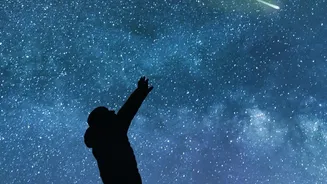
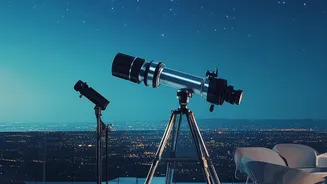
Imagine the scene: a cool October breeze cuts across a city rooftop. Below, the relentless hum of traffic provides a constant urban soundtrack. But up here, a small group of people isn't looking down at the familiar grid of streets; their attention is fixed
on the vast darkness above. They are urban astronomers, a growing community of city dwellers who seek out the highest accessible points—be they rooftops, balconies, or elevated parks—to witness the universe's quiet spectacles. The rooftop offers a crucial advantage: elevation. Getting above the most intense street-level light pollution provides a slightly darker canvas, allowing the eyes to better adjust and catch the faint, fleeting streaks of light from a meteor shower. It’s an act of defiance against the luminous haze, a search for natural wonder in the most unnatural of environments.
Cosmic Debris from a Famed Comet
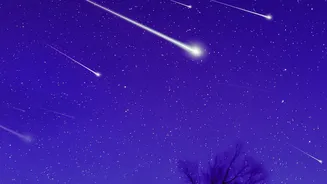
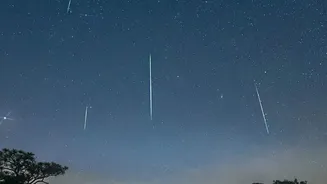
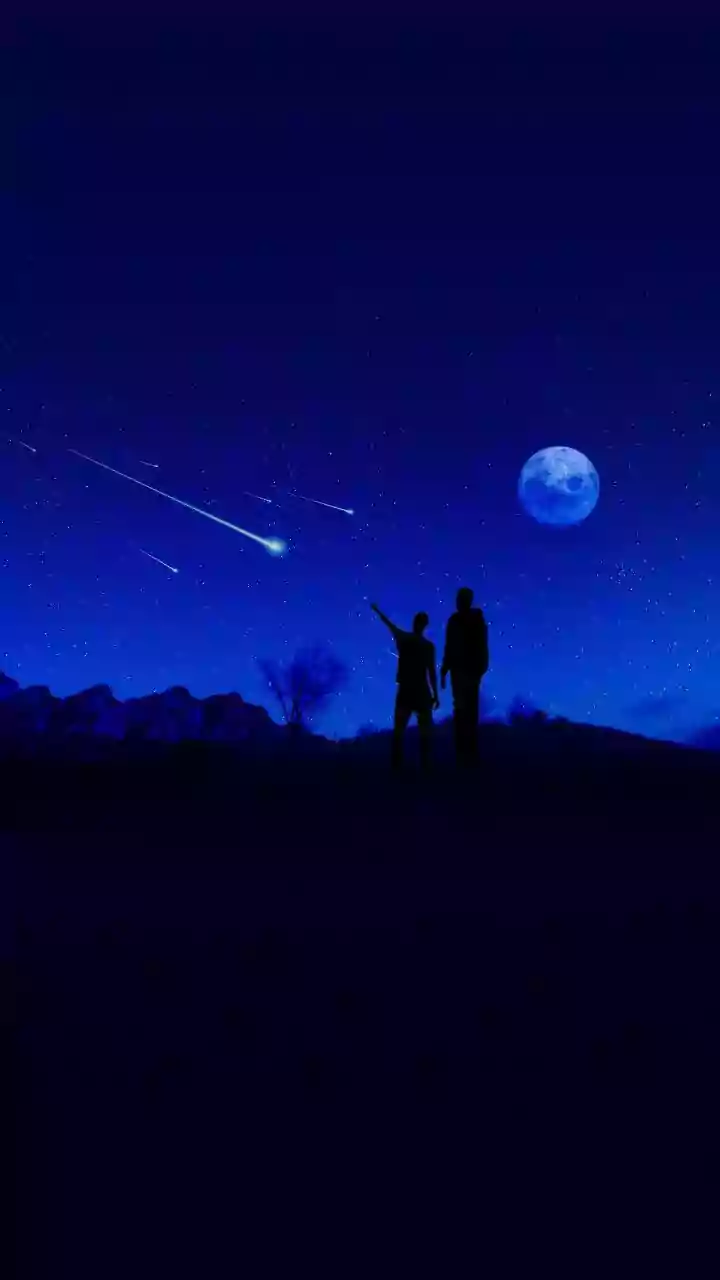
The main event drawing them out this time of year is the Orionid meteor shower. Active from early October to early November, the Orionids typically peak around October 21-22. These are not just any random space rocks; they are the dusty, icy leftovers of one of the most famous celestial objects in history: Halley's Comet. Each year, as Earth passes through the orbital path of this comet, its debris burns up in our atmosphere, creating what we call meteors or 'shooting stars'. The Orionids are known for being particularly fast, entering the atmosphere at around 66 kilometers per second. This incredible speed often causes them to leave behind persistent, glowing trails that can linger in the sky for several seconds, making them a rewarding sight even for city observers who might miss fainter meteors.
The Challenge of the Urban Sky
Stargazing in a city is an exercise in patience and strategy. The primary obstacle is light pollution, the ambient glow that obscures all but the brightest celestial objects. Under truly dark skies, observers might see 15 to 25 Orionid meteors per hour during the peak. In a suburban area, that number can drop to 5 or 10, and in a major city, it's even lower. This is precisely why rooftops and other high places are so coveted. They offer a vantage point that minimizes direct glare from streetlights and buildings. Urban astronomy fans employ specific techniques to maximize their chances. They choose nights with clear, haze-free skies and look during the pre-dawn hours, when the sky is darkest and the meteor shower's radiant point—in the constellation Orion—is high in the sky. A crucial step is allowing at least 20-30 minutes for their eyes to fully adapt to the darkness, a process that can be instantly reset by a glance at a bright phone screen.
More Than Just a Light Show
The gathering is about more than just counting meteors. It's a communal experience rooted in a shared sense of awe. In a world of constant digital noise and urban rush, the act of stopping to watch a meteor shower is a form of meditation. It’s a tangible connection to the solar system, a reminder of the vast, ancient mechanics of the universe happening far beyond the city's confines. For many, it's also a link to history. Watching the Orionids is to witness the remnants of Halley's Comet, an object observed and recorded for centuries. Though Halley's Comet itself won't be visible again until 2061, these annual showers are a gift it leaves behind for every generation to enjoy. This shared experience fosters a unique camaraderie among those who brave the chill and the city lights for a momentary glimpse of cosmic magic.
How You Can Join the Watch
You don't need a telescope or professional equipment to enjoy the Orionids; the naked eye is best because it allows you to see a wide swath of the sky. The key is finding the best possible location. If a safe, accessible rooftop isn't an option, look for a large park or open field away from direct lighting. Check the weather forecast for a clear night around the peak dates in late October. The best viewing time is typically after midnight and into the early morning hours. In 2026, a bright moon will interfere with the early part of the night, making the pre-dawn window after the moon sets (around 3 a.m.) the prime time to watch. Dress warmly in layers, bring a reclining chair or blanket to lie on, and pack a thermos with a warm drink. Then, simply lie back, let your eyes adjust, and watch the sky. The meteors can appear anywhere, so a relaxed, wide gaze is more effective than staring at a single spot.