




The 'Hydrogen for Heritage' Vision
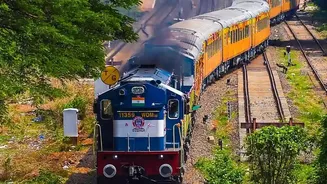
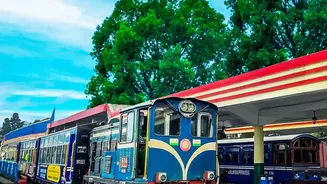
Indian Railways has launched an ambitious project named 'Hydrogen for Heritage', which aims to retrofit diesel-powered trains on its historic and scenic routes with hydrogen-fueled engines. The initial plan involves deploying 35 such trains across several
narrow-gauge lines, including the famous Kalka-Shimla, Darjeeling Himalayan, and Nilgiri Mountain Railways. This initiative is a key part of the national transporter's broader strategy to achieve net-zero carbon emissions by 2030. By targeting these ecologically sensitive and culturally significant corridors, the project serves a dual purpose: cutting down on pollution and preserving the pristine beauty of these tourist destinations.
How Do Hydrogen Trains Actually Work?
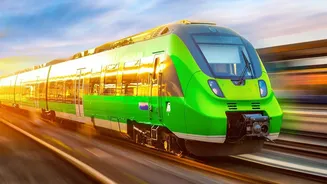
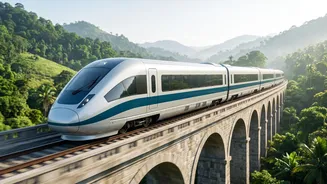
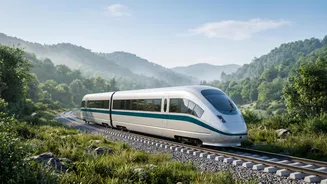
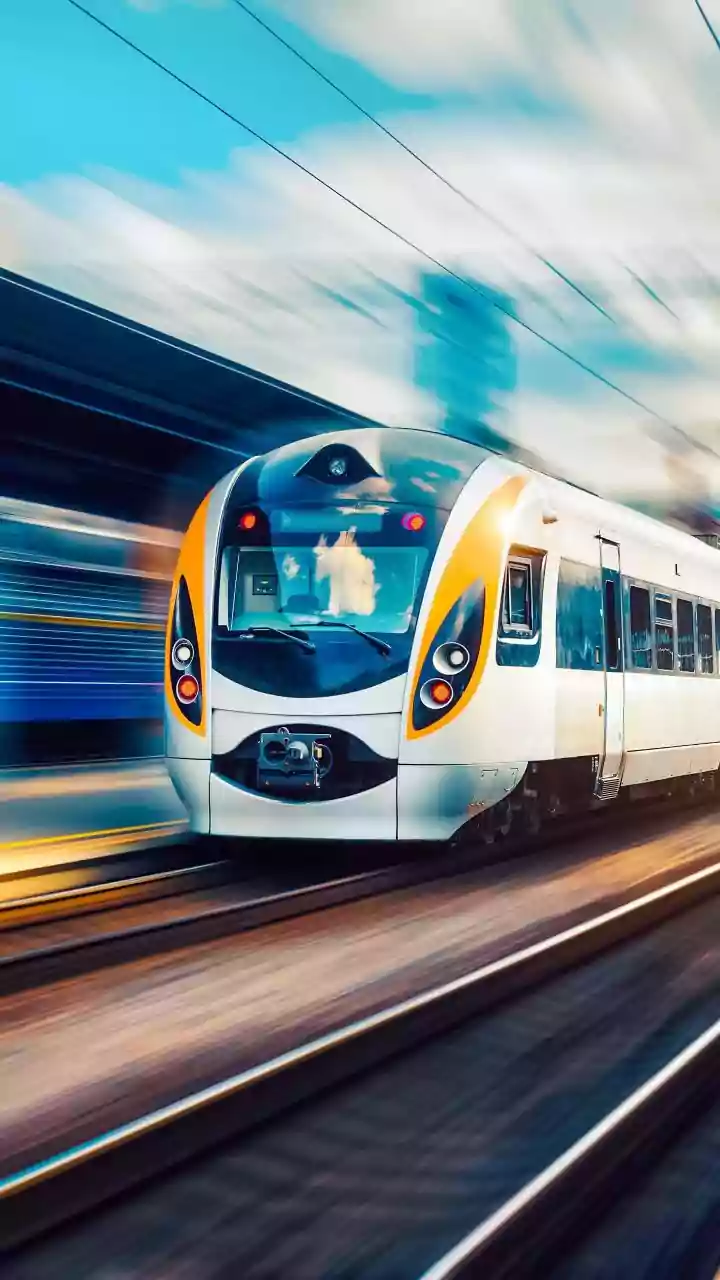
Unlike conventional trains that burn diesel, a hydrogen train functions like a mobile power plant. It uses a device called a fuel cell, which takes hydrogen stored in onboard tanks and combines it with oxygen from the air. This electrochemical reaction generates electricity to power the train's motors. The entire process is remarkably clean, as the only byproduct is water vapour, making these trains a zero-emission mode of transport. This technology offers a sustainable alternative to diesel on routes where overhead electrification is difficult or undesirable, such as the challenging terrains of heritage railways.
Why Start with Heritage Routes?
Choosing heritage lines as the testing ground for this futuristic technology is a strategic decision. These routes are typically shorter, closed circuits with lower traffic, making them ideal for pilot projects where performance can be closely monitored. Furthermore, many of these tracks, like the Kalka-Shimla line, pass through numerous tunnels and sharp curves, which makes installing traditional overhead electric lines extremely difficult and costly. Introducing silent, zero-emission trains also enhances the tourist experience and protects the fragile ecosystems surrounding these UNESCO World Heritage sites from the noise and fumes of diesel engines. It's a way of showcasing India's commitment to green technology on a global stage.
From Pilot Project to Nationwide Blueprint
The first phase of this initiative has already seen a pilot project launched on the Jind-Sonipat section in Haryana. An indigenously developed hydrogen train began operations there in mid-2026, providing valuable real-world data on performance, safety, and operational costs. The experience gained from this 89-kilometre stretch is crucial for refining the technology before its wider application on the more complex heritage routes. While India's first hydrogen train places it in an elite club of nations exploring this technology, officials are also working to bring down the high cost of green hydrogen to make the project economically viable for a larger rollout.
Challenges and the Road Ahead
Despite the promise, the path to a fully hydrogen-powered heritage railway network has its challenges. The initial cost of producing green hydrogen and manufacturing the trains is high, though it is expected to decrease as the technology matures. Establishing the necessary infrastructure, including hydrogen production and refuelling stations at remote locations like Shimla and Darjeeling, is another significant hurdle. Early trials have also faced technical snags, which is a normal part of developing any new technology. However, with India's broader push towards the National Green Hydrogen Mission, these pioneering efforts by the Railways are a critical first step towards a cleaner, more sustainable future for transportation.