

What Exactly Is a 'Ghotala'?
In Hindi and Gujarati, the word 'ghotala' literally translates to 'scam' or, more aptly in a culinary context, a 'jumble' or 'mess'. This perfectly describes the dish, which involves mashing and mixing ingredients on a hot pan until they meld into a harmonious,
scoopable delight. Paneer Ghotala is a popular street food, especially in Surat, Gujarat, where it's known for its bold, unapologetic flavours. The name is a playful nod to both its jumbled appearance and the 'scam' of how something so messy can taste so incredibly good.
The Vegetarian Answer to a Street Food Classic
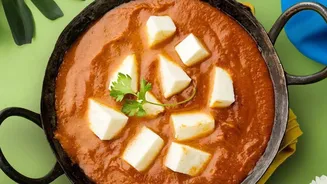
The 'ghotala' style of cooking has its roots in non-vegetarian street food, particularly Anda Ghotala (Egg Ghotala) and sometimes Keema (minced meat) Ghotala. These dishes involve scrambling eggs or cooking minced meat with a spicy onion-tomato base. Paneer Ghotala was born as a brilliant vegetarian adaptation of this concept. For a large population in India that avoids eggs, it offered a way to enjoy the same hearty, flavourful experience. It replaces the egg with crumbled or grated paneer, an Indian cottage cheese known for its mild flavour and firm texture that holds up beautifully in the rich gravy.
More Than Just Paneer Bhurji
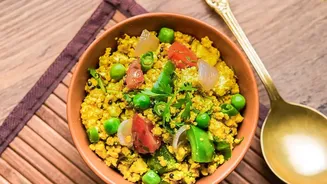
At first glance, one might mistake Paneer Ghotala for its simpler cousin, Paneer Bhurji. Both involve scrambled paneer. However, the differences are key. Paneer Bhurji is typically a straightforward scramble with basic spices. Paneer Ghotala is significantly richer and more complex. It often features the addition of pav bhaji masala, which lends it a distinctively savoury and aromatic profile. Furthermore, Ghotala usually includes ingredients like capsicum and is often finished with a generous amount of butter and grated processed cheese, elevating it to a new level of indulgence. The texture is also a defining factor; while Bhurji is a simple scramble, Ghotala is mashed together more intensely to create a cohesive, semi-liquid curry.
A Symphony of Bold Flavours
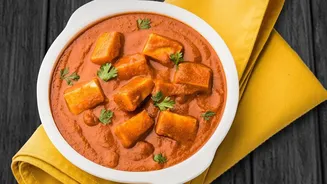
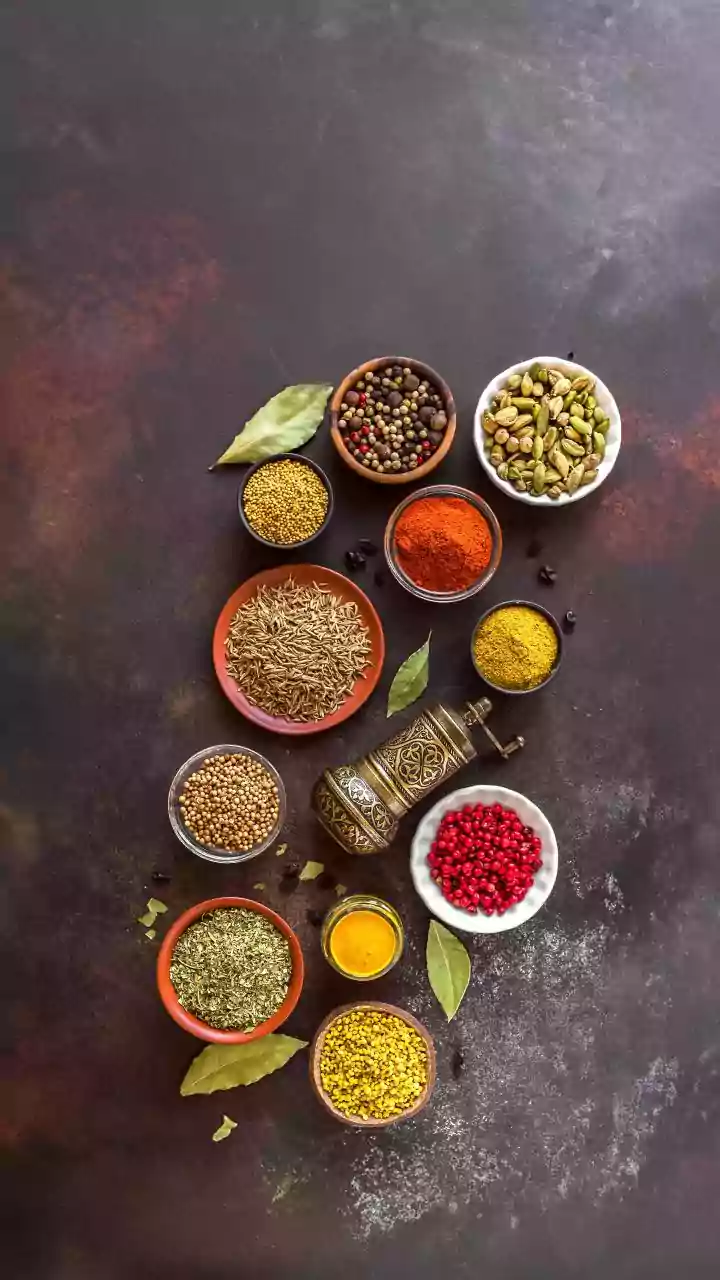
The foundation of Paneer Ghotala is a robust masala gravy. It starts with a sizzle of butter and oil, followed by finely chopped onions, ginger, and garlic. Tomatoes are cooked down until they are soft and mushy, creating a thick base. A medley of spices is then introduced, commonly including turmeric, red chilli powder, coriander powder, and the all-important pav bhaji masala. Some variations also include kasuri methi (dried fenugreek leaves) for aroma and a hint of tomato ketchup for a subtle tangy sweetness. The grated paneer absorbs all these flavours, creating a dish that is spicy, tangy, and deeply savoury with every bite.
How to Best Enjoy Paneer Ghotala
The classic and most authentic way to serve Paneer Ghotala is with pav—soft, buttery bread rolls. The pav is often toasted on the same pan as the ghotala, soaking up the leftover masalas and butter. This pairing is central to its identity as a street food, much like the famous Pav Bhaji. The soft pav is perfect for scooping up the rich, textured paneer curry. The dish is typically garnished with fresh coriander, a dollop of butter, and another layer of grated cheese before being served piping hot. While it is a beloved street food snack, its richness makes it substantial enough to be enjoyed as a satisfying main course.