



The Star of the Month: Saturn
If you look for only one object this month, make it Saturn. The ringed planet reached its annual opposition on October 4, meaning it is at its biggest and brightest for the year. On this night, Earth passed directly between the Sun and Saturn, making
the planet visible all night long. Don't worry if you missed the exact date; Saturn will remain a brilliant, steady, yellowish-white point of light in the evening sky throughout October. Look for it rising in the east after sunset. While you need a telescope to see its famous rings, spotting the planet itself with your naked eye is a rewarding first step into astronomy.
A Famous Hunter in the Sky: Orion
As the month progresses and the nights get later, a familiar pattern begins to rise in the east: the constellation of Orion, the Hunter. This is one of the easiest constellations for beginners to identify, thanks to the three bright stars in a straight line that form Orion's Belt. October is a great time to get acquainted with this winter favourite. By late evening, you can trace the outline of the hunter's body and, if your sky is dark enough, perhaps even spot the fuzzy patch of the Orion Nebula just below the belt. It serves as a fantastic signpost to find other stars and constellations.
Catch a Shooting Star: The Orionid Meteor Shower
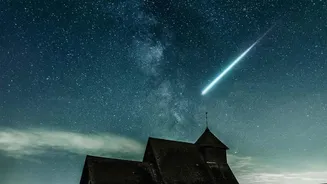
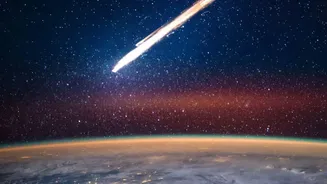
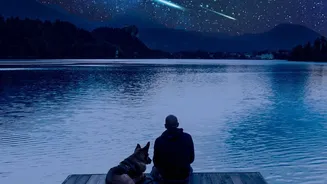
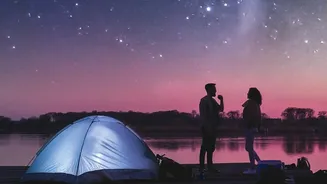
Orion also gives its name to one of the year's best meteor showers: the Orionids. These shooting stars are actually tiny pieces of debris left behind by the famous Halley's Comet. The shower peaks on the night of October 21-22, offering a chance to see up to 20 fast, bright meteors per hour in a dark sky. This year, a bright moon will be in the sky during the evening, but it sets in the early morning. For your best chance, wake up before the sun on October 22nd. Find a comfortable spot, let your eyes adjust to the dark for 20 minutes, and look up. The hours between moonset (around 2:30-3:00 AM) and dawn will be your prime viewing window.
A Speedy Visitor: The International Space Station (ISS)
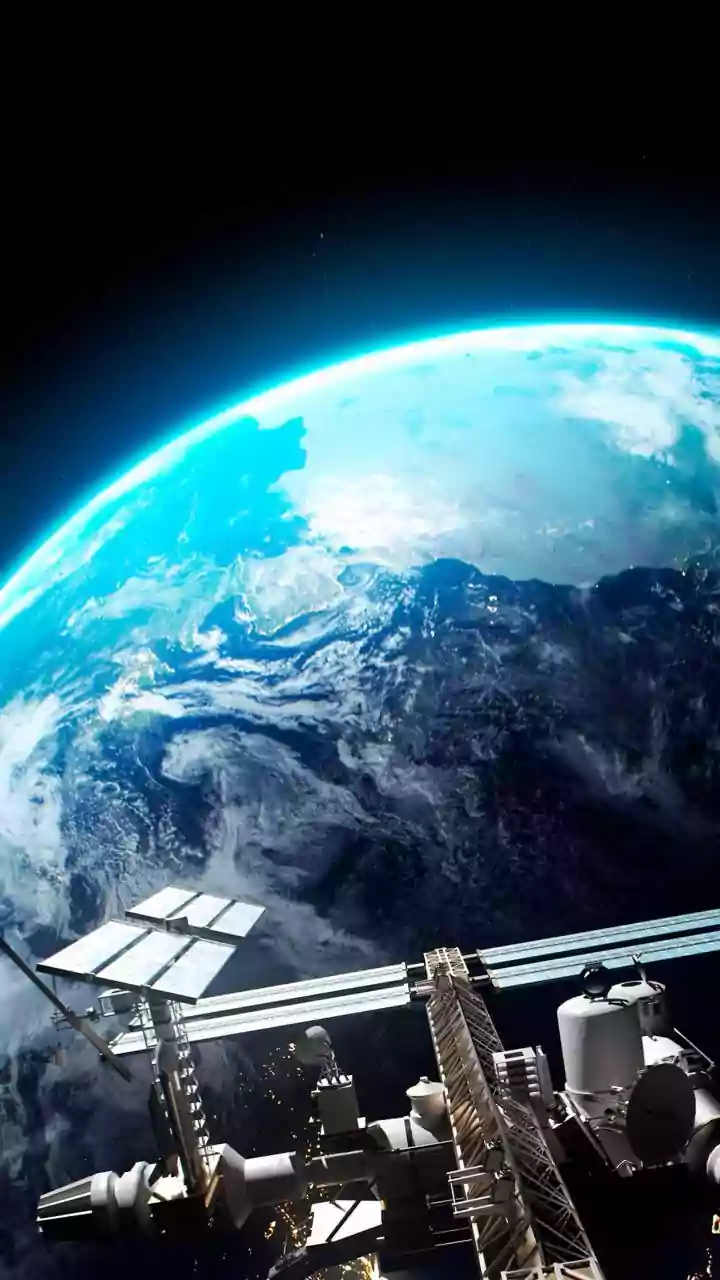
Not everything you see is a star or planet. Sometimes, it's a moving home for astronauts orbiting 400 kilometres above Earth. The International Space Station (ISS) is surprisingly easy to spot. It looks like a very bright star moving steadily across the sky, not blinking like an aeroplane. Passes typically last a few minutes. The ISS is brightest right after sunset or before sunrise, when the sky is dark but the station is high enough to catch the sun's light. Its path over India changes, so you need to check for viewing times for your specific city. Websites and apps like Heavens-Above or NASA's Spot the Station can tell you exactly when and where to look up.
Our Constant Companion: The Moon
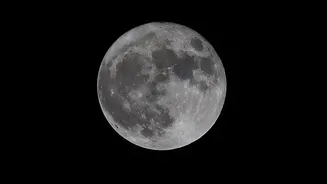
Don't overlook the most obvious object in the night sky. The Moon is a fantastic target for beginners. While the Hunter's Full Moon on October 26 will be a beautiful sight, the most interesting views are often found during its other phases. If you have a simple pair of binoculars, point them at the 'terminator'—the line between the dark and sunlit parts of the Moon. This is where the craters, mountains, and valleys are thrown into sharp relief by the long shadows, revealing a stunning three-dimensional landscape you can't see during a full moon.