



Connecting an Unconnected India
At its heart, the seaplane initiative is an extension of the Ude Desh ka Aam Nagrik (UDAN) scheme, a government mission to make air travel affordable and accessible to all corners of the country. Launched in 2016, UDAN has already transformed regional
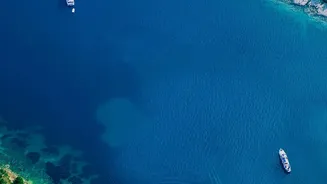
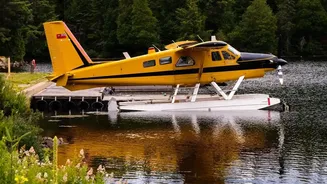
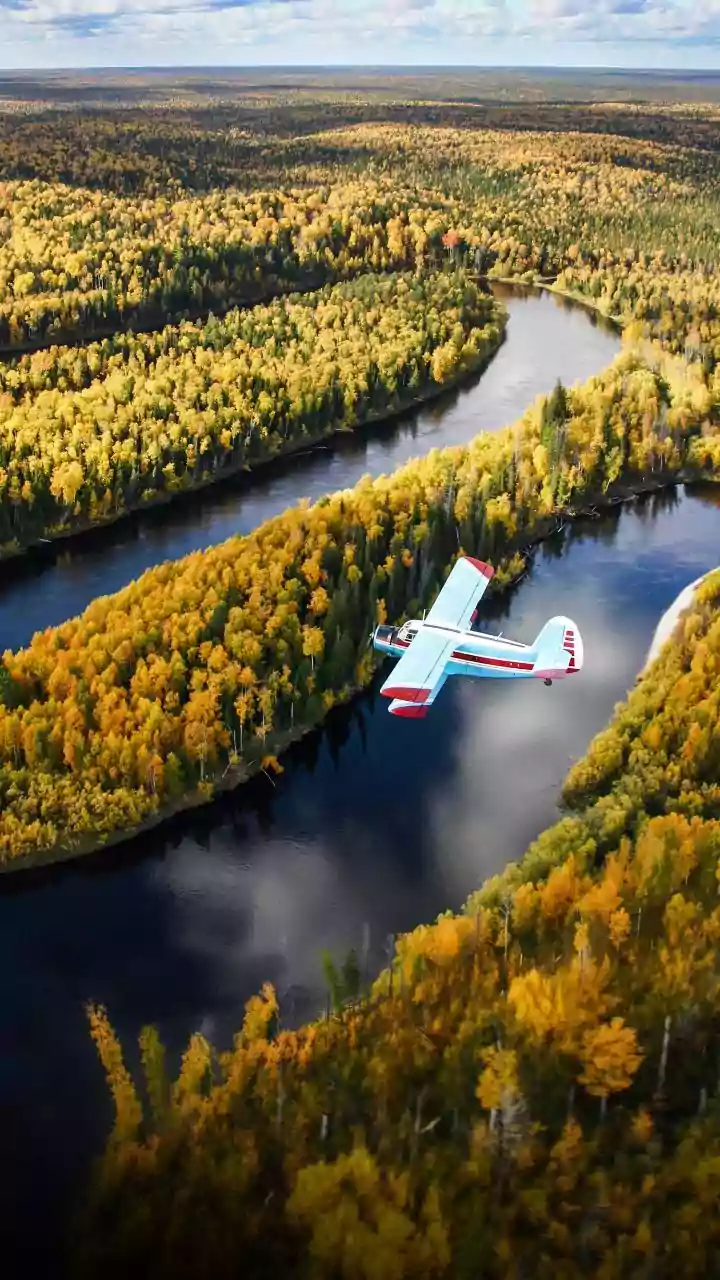
aviation by operationalizing hundreds of routes to previously unserved or underserved airports. Seaplanes represent the next frontier of this vision. These specialised aircraft, which can take off from and land on water bodies, eliminate the need for costly and land-intensive traditional runways. This makes them ideal for connecting India’s vast network of rivers, lakes, reservoirs, and coastal areas, many of which are home to stunning but hard-to-reach destinations.
From Hours to Minutes
The primary appeal of seaplane travel is the dramatic reduction in travel time. For tourists, this is a game-changer. A journey that might take over four hours by road could be completed in as little as 15-20 minutes by air, as demonstrated by trial flights in Kerala. The most high-profile example was the service connecting the Sabarmati Riverfront in Ahmedabad to the Statue of Unity in Kevadia, launched in October 2020. Though the service was later suspended due to high operating costs and the pandemic, it proved the concept by cutting a 200-kilometre road trip down to a 50-minute flight. The goal is to replicate this convenience across the nation, turning long weekend getaways into viable day trips and allowing travellers to spend more time at their destination and less time in transit.
A Blueprint for National Connectivity
The government has identified numerous potential water aerodromes and routes to form a national seaplane network. The Ministry of Civil Aviation has awarded dozens of routes under various phases of the UDAN scheme. Key areas of focus include the Andaman & Nicobar and Lakshadweep islands, where seaplanes can provide vital inter-island connectivity. In states like Kerala, plans are underway to connect its famous backwaters and reservoirs, with as many as 48 routes allocated to various airlines. Andhra Pradesh is also developing a network to connect 10 locations, including religious sites and tourist spots like Araku and Srisailam. Other identified locations include the Guwahati riverfront in Assam and various dams and reservoirs across the country, highlighting a strategic push to integrate these services into the broader national transport grid.
More Than Just Tourism
While boosting tourism is a major driver, the impact of seaplane corridors extends far beyond holidaymakers. For remote communities, particularly in island territories or regions with difficult terrain, these services can be a veritable lifeline. They offer faster access to mainland medical facilities in emergencies, create new business opportunities for local entrepreneurs, and reduce the sense of isolation that often characterises life in far-flung areas. By providing reliable and rapid transport, seaplanes can foster greater economic integration and improve the overall quality of life for residents, fulfilling one of the core socio-economic goals of the UDAN scheme.
Navigating the Challenges Ahead
Despite the immense potential, the path to a widespread seaplane network is not without turbulence. The initial Ahmedabad-Kevadia service highlighted key challenges, including high operational costs, inconsistent passenger demand, and maintenance complexities. Building a sustainable ecosystem requires more than just awarding routes; it needs robust infrastructure like jetties, single-window clearances for permits, and community acceptance, especially from fishing communities who have raised concerns about livelihood disruption. Furthermore, a shortage of trained pilots and regulatory hurdles remain significant obstacles. To address this, the government has announced incentives like Viability Gap Funding (VGF) to support operators and is working to simplify regulations for waterdromes and pilot training to make the model commercially viable for private players.