



What Exactly Is a Purchase Pause?
A purchase pause, also known as a shopping ban or a no-buy challenge, is a commitment to stop buying non-essential items for a set period. This could be for a week, 30 days, or even a full year. The goal isn't about permanent deprivation, but about creating
a temporary break from consumer habits. It’s a conscious decision to stop the automatic flow of goods into your home, giving you the space to reassess your needs versus your wants. By hitting pause on acquisitions, you're not just clearing physical space; you're creating mental space to become more intentional about what you choose to own.
Stopping Clutter at the Source
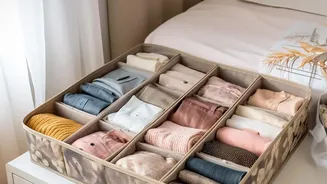
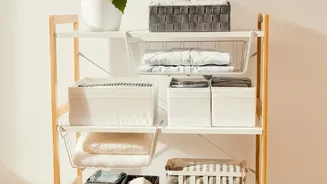
Every item of clutter was once a purchase. That exciting new kitchen gadget, the trendy decor piece, or the clothes bought on sale can quickly lose their lustre and become part of the background mess. A purchase pause directly tackles this issue by intercepting clutter before it even crosses your threshold. Without new things constantly entering your space, it becomes significantly easier to maintain an organized home. This proactive approach shifts the focus from reactive decluttering sessions to a sustainable, long-term strategy for keeping your home tidy and functional. It helps break the cycle of buying, regretting, and eventually having to discard items.
The Benefits Go Beyond a Tidy Home
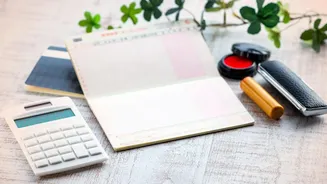
While a less cluttered home is the most visible benefit, a purchase pause offers much more. Financially, the savings can be substantial, allowing you to pay off debt or build an emergency fund. Psychologically, owning less can reduce the stress and anxiety associated with maintaining, organizing, and even thinking about your possessions. Many people report feeling a greater sense of freedom and contentment. Furthermore, by consuming less, you reduce your environmental footprint, contributing less to landfill waste and the pollution generated by manufacturing and shipping. It’s a chance to align your actions with your values, focusing more on experiences and relationships than material goods.
How to Start Your First Purchase Pause
Getting started is simpler than it sounds. First, clarify your motivation—are you saving for a specific goal, seeking mental clarity, or just tired of the mess? Next, set your timeline; a 30-day challenge is a popular and manageable starting point. Then, define your rules. Be clear about what constitutes an essential purchase (like groceries, toiletries, and medications) versus a non-essential one (like clothes, books, and home decor). A great tactic is to create a 'waiting list.' When you feel the urge to buy something, write it down instead. After the pause ends, you can revisit the list and will often find the desire has faded, proving it wasn't a true need.
Staying Motivated and Overcoming Urges
Challenges will arise. You might see a tempting sale or feel the social pressure to shop. The key is to have strategies in place. Unsubscribe from marketing emails and avoid mindless browsing online or in stores. When the urge to buy strikes, try to identify the underlying trigger. Are you bored, stressed, or seeking a quick mood boost? Find healthier, non-shopping alternatives, like going for a walk, calling a friend, or engaging in a hobby. Use this period to get creative with what you already own. 'Shop' your own wardrobe to create new outfits or rearrange furniture to refresh a room. This practice builds resourcefulness and helps you appreciate the abundance you already have.