



More Than Just A Sweet Offering
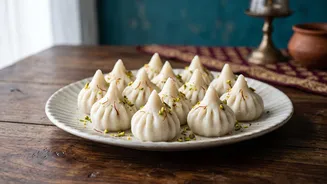
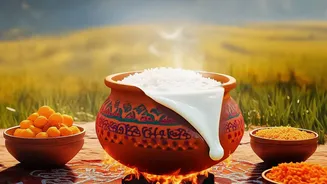
At the heart of Ganesh Chaturthi is the food, an offering of love before it becomes a feast to be shared. The undisputed star is the modak, a sweet dumpling said to be Lord Ganesha's favourite. Traditionally, the steamed version, known as Ukadiche Modak,
features a delicate rice flour shell filled with a fragrant mixture of fresh coconut and jaggery. Families often gather to pleat these dumplings by hand, a ritual that passes down technique through generations. But the festive platter is much richer. It includes Puran Poli, a sweet flatbread stuffed with lentils and jaggery, and in South India, a savoury chickpea salad called Sundal is a staple. These dishes are not just about taste; they are prepared as 'naivedya' or a sacred offering, transforming the kitchen into the heart of the celebration.
A Journey of Faith and Family
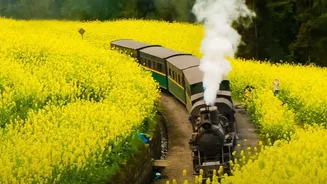
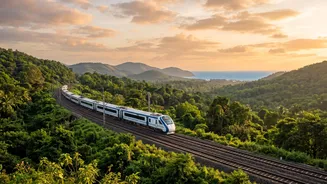
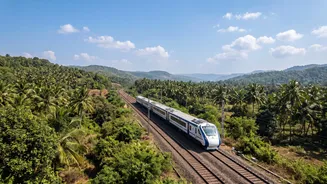
The festival is also a significant driver of travel across the country. For many, it's an annual pilgrimage. Cities like Mumbai, Pune, and Hyderabad become epicentres of grand public celebrations, drawing millions of visitors who travel to witness the massive, elaborately decorated idols at famous pandals like Lalbaugcha Raja in Mumbai and Dagdusheth Halwai Ganpati in Pune. This form of tourism is deeply rooted in devotion, with people navigating crowded streets and long queues for a moment of 'darshan'. For others, the festival prompts a different kind of journey: a return to ancestral homes. It’s a time for family reunions, where members scattered across the country or even the globe travel back to celebrate together, reinforcing community bonds and partaking in household rituals that have been preserved for generations.
Pandal Hopping as a Culinary Tour
The modern tradition of 'pandal hopping' has evolved from a purely religious tour into a vibrant food crawl. In cities famous for their Ganeshotsav, the streets around major pandals transform into bustling food hubs. While the 'bhog' or blessed food offered at the pandal—often a simple, wholesome meal—is a key experience, the stalls that spring up around them offer a diverse taste of local and festive street food. From spicy misal pav and batata vada in Maharashtra to a variety of chaats and sweets, the culinary journey between pandals is as much a part of the experience as the decorations and idols themselves. This trend mirrors a broader shift in how Indians engage with festivals, blending spiritual observance with cultural and gastronomic exploration.
Tradition Meets Modern Tastes
While timeless recipes remain the soul of the festival, the culinary landscape of Ganesh Chaturthi is also adapting. Home chefs and cloud kitchens now offer curated festival menus, delivering traditional, homemade sweets and savouries to those with busy schedules. There’s also a wave of innovation, with new-age sweet shops and bakers introducing modern twists to classic offerings. You might find chocolate-filled modaks, pan-flavoured modaks, or even sugar-free versions catering to health-conscious devotees. Similarly, travel has evolved. What was once a simple journey is now planned with travel guides, pandal-hopping maps, and food recommendations, often shared widely on social media, turning personal pilgrimages into shared public experiences.
A Boost for Local Economies
The intersection of faith, food, and travel during Ganesh Visarjan week provides a significant economic boost. This period sees a surge in business for a wide range of sectors. Artisans who craft the idols, decorators, transporters, and event managers all see a spike in activity. The tourism and hospitality industries also thrive, with hotels, restaurants, and local vendors in major celebration hubs benefiting from the influx of visitors. According to the Confederation of All India Traders (CAIT), the festival generates substantial economic activity, impacting everything from the sale of flowers and coconuts to consumer goods and local transport, highlighting how deeply intertwined these cultural traditions are with the nation's financial fabric.