




Snake Plant: The Unkillable Classic
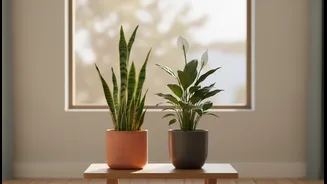
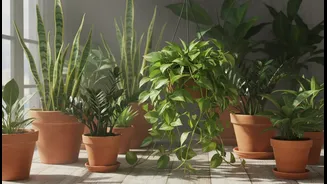
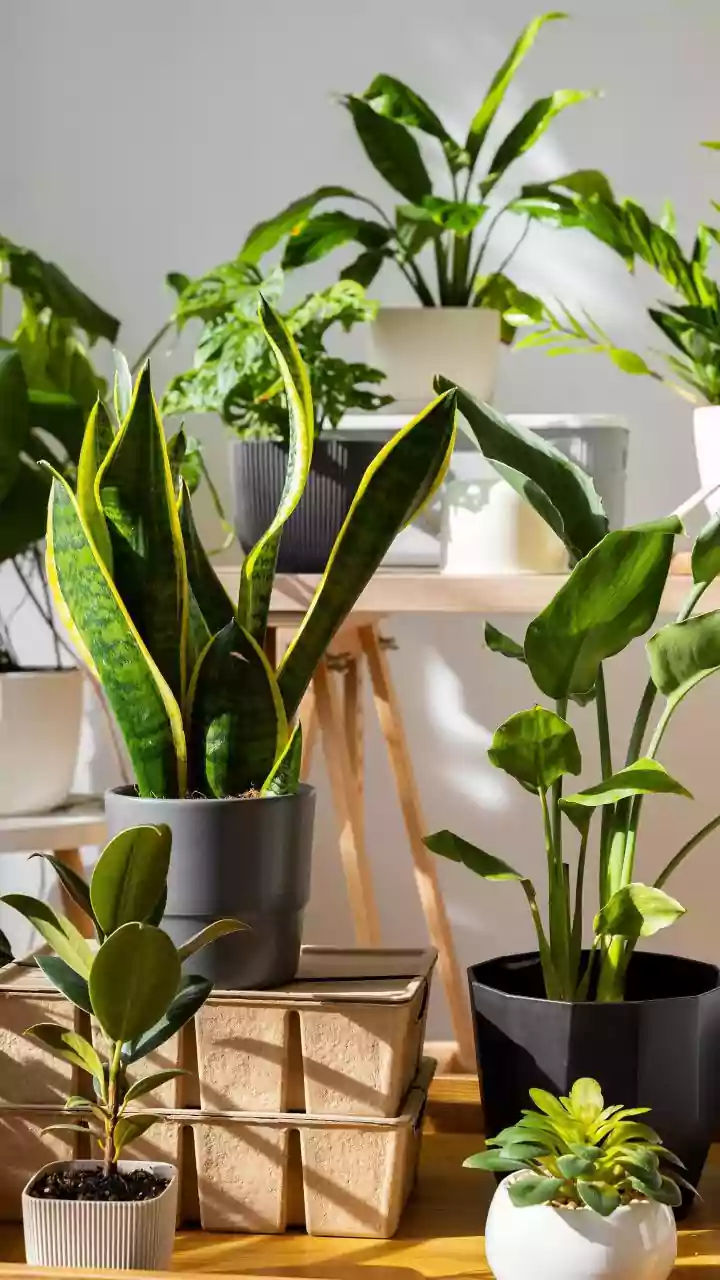
The Snake Plant, or Sansevieria, is famous for being almost indestructible, making it a top choice for the monsoon season. Its tough, upright leaves are designed to store water, which means it's naturally resistant to the root rot that can plague other
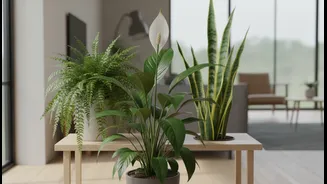
plants in high humidity. During the rainy months when you might forget to water, this plant is forgiving. It thrives in low-light conditions, perfect for gloomy, overcast days when sunshine is scarce. In fact, it's an ideal plant for corners of your home that don't get much direct sun. As a bonus, it’s an excellent air purifier, working to remove toxins from the air when your windows are likely to be closed against the rain. Care Tip: The biggest mistake with a Snake Plant during monsoon is overwatering. The ambient moisture means the soil will stay damp for longer. Before you even think about watering, stick your finger two inches into the soil. If it feels dry, you can give it a little water. If not, leave it be. This plant prefers to be neglected over being over-cared for.
ZZ Plant: The Glossy Low-Maintenance Star
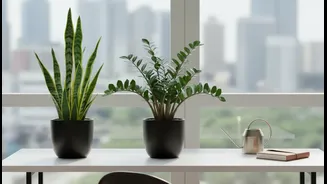
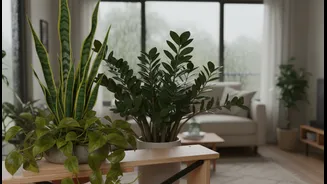
The Zamioculcas zamiifolia, or ZZ Plant, is another hero for the horticulturally challenged, especially during the monsoon. Its glossy, dark green leaves look perpetually polished and bring a touch of elegance to any room. Like the Snake Plant, the ZZ Plant has rhizomes that store water, making it extremely drought-tolerant and resilient to the damp conditions of the rainy season. It's perfectly happy in low-light environments, making it suitable for hallways, north-facing rooms, or offices where natural light is limited. Its ability to thrive on neglect makes it a stress-free option for busy plant parents. Care Tip: The ZZ Plant is highly susceptible to root rot from overwatering. During the monsoon, you might only need to water it once every three to four weeks. Always let the soil dry out completely between waterings. To be safe, err on the side of underwatering. Dust its leaves with a damp cloth occasionally to keep them looking shiny and to help the plant breathe.
Pothos (Money Plant): The Forgiving Vine
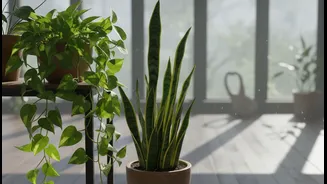
The Money Plant, also known as Pothos or Devil's Ivy, is a staple in many Indian households for a reason. It's incredibly versatile and forgiving, thriving in a variety of conditions. During the monsoon, the higher humidity actually encourages faster growth, with its beautiful heart-shaped leaves cascading down from shelves or climbing up supports. Pothos is very adaptable to lower light levels, though variegated types might lose some of their colouring in deep shade. It’s known for being almost impossible to kill, making it perfect for beginners. Care Tip: While Pothos enjoys humidity, it doesn’t like its roots to be sitting in water. Ensure your pot has excellent drainage. Water only when the top inch or two of the soil feels dry to the touch. If you notice yellowing leaves, it’s often a sign of overwatering. Pruning the vines can encourage a fuller, bushier plant.
Peace Lily: The Humidity Lover
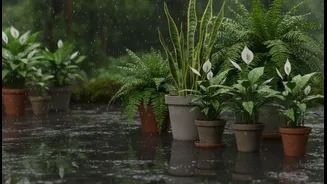
Unlike the previous plants, the Peace Lily (Spathiphyllum) genuinely loves the high humidity that the monsoon brings. This elegant plant, with its dark green leaves and iconic white spathe flowers, is an excellent choice for brightening up a room on a dreary day. It thrives in low to medium indirect light, conditions that are common during the rainy season. The Peace Lily is also a powerful air purifier, known for its ability to remove common indoor pollutants. Care Tip: The Peace Lily will tell you when it's thirsty—its leaves will start to droop dramatically. However, during the monsoon, it's crucial not to overcompensate. Wait for the droop, then check the soil. It prefers consistently moist, but not waterlogged, soil. Good drainage is essential to prevent root rot. If you notice the tips of the leaves turning brown, it could be a sign of chemicals in your tap water; try using filtered water.
Spider Plant: The Adaptable Air-Purifier
The Spider Plant (Chlorophytum comosum) is a cheerful and easy-to-care-for plant, recognisable by its arching, ribbon-like leaves. It's highly adaptable and can handle the fluctuating moisture levels of the monsoon. These plants are great for hanging baskets, where their baby plantlets, or 'spiderettes', can dangle freely. They do well in bright, indirect light but are tolerant of lower light conditions too. Like many on this list, the Spider Plant is also celebrated for its air-purifying capabilities. Care Tip: Keep the soil for your Spider Plant evenly moist but avoid letting it get soggy. During the monsoon, you’ll need to water less frequently than in the dry summer months. Let the top couple of inches of soil dry out before watering again. They are fairly resilient, but brown tips can indicate either underwatering or a build-up of minerals from tap water.
General Monsoon Care Essentials
Regardless of which plant you choose, a few universal rules apply for monsoon care. Firstly, ensure every pot has adequate drainage holes to let excess water escape. You can even elevate pots on bricks or stands to prevent them from sitting in runoff water. Secondly, check for pests. The damp, warm conditions are a breeding ground for fungus and insects. Regularly inspect the leaves and soil. Finally, improve air circulation where possible to combat the high humidity and reduce the risk of fungal infections. Pruning any yellowing or dead leaves also helps the plant direct its energy toward healthy growth.