







The New Protein Priority
For generations, Indian diets have been rich in carbohydrates, with protein often taking a backseat. However, a wave of health consciousness, accelerated by the pandemic, has pushed protein into the spotlight. Consumers are no longer just seeking sustenance;
they want functional foods that offer tangible health benefits like muscle support, weight management, and overall vitality. This growing awareness has created a significant market opportunity, especially considering that a large portion of the population is estimated to be protein-deficient. The demand is not just for supplements but for protein integrated into everyday meals, turning the daily grocery run into a health-conscious exercise.
Dairy's Modern Makeover
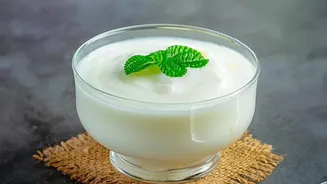
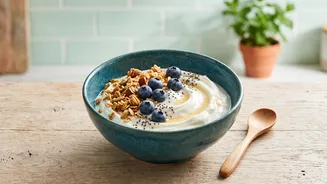
India's dairy industry, the world's largest milk producer, is at the heart of this transformation. Traditionally the domain of staples like liquid milk, ghee, and paneer, the sector is now innovating at a rapid pace. Companies are infusing protein into everything from yogurt and milkshakes to lassi and even ice cream. Products like high-protein paneer, Greek yogurt, and fortified milk are moving from niche categories to mainstream offerings. This pivot allows dairy producers to add value to their products, catering to a consumer base that is increasingly willing to pay a premium for nutritional benefits. It's a strategic shift from selling a commodity to marketing a wellness solution.
The Players in the Protein Game
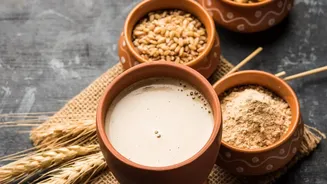
The movement is being led by a mix of established giants and nimble startups. Dairy cooperatives like Amul and Mother Dairy have launched extensive high-protein lines, including milks, yogurts, and buttermilk, leveraging their vast distribution networks to reach millions. Mother Dairy's 'Promilk', for instance, was launched specifically to address protein deficiency, offering 30% more protein than standard milk. Simultaneously, newer players like Epigamia, which helped popularize Greek yogurt in India, have been instrumental in creating the category. These companies are being joined by others like Milky Mist, which recently invested in a new plant for Skyr and Greek yogurt, signaling strong confidence in the segment's continued growth.
Who Is Buying and Why?
The primary drivers of this trend are urban and semi-urban consumers. This includes fitness enthusiasts, time-crunched professionals looking for convenient nutrition, and health-aware families. Quick commerce platforms have accelerated this trend, making it easy for consumers to try single-serving products without a big commitment. While the trend began in metros, it is rapidly expanding to Tier-2 and Tier-3 cities. The appeal is simple: these products offer a convenient way to meet daily protein goals without drastic dietary changes, fitting seamlessly into existing eating habits, like having a fortified yogurt with a meal or a protein milkshake on the go.
Challenges and the Road Ahead
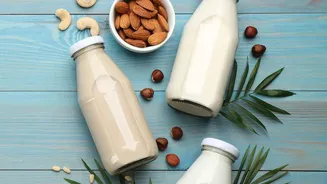
Despite the boom, challenges remain. Price sensitivity is a significant hurdle in a value-conscious market like India. Ensuring consistent quality and taste while fortifying products is another. Furthermore, the industry faces the task of educating consumers on the importance of protein beyond the gym-going community. Looking ahead, the market is expected to see even more innovation, including a wider variety of product formats and the growing influence of plant-based protein alternatives. The high-protein dairy trend is more than a fad; it marks a fundamental and permanent evolution in India's food landscape, where nutrition and convenience are becoming just as important as tradition and taste.