


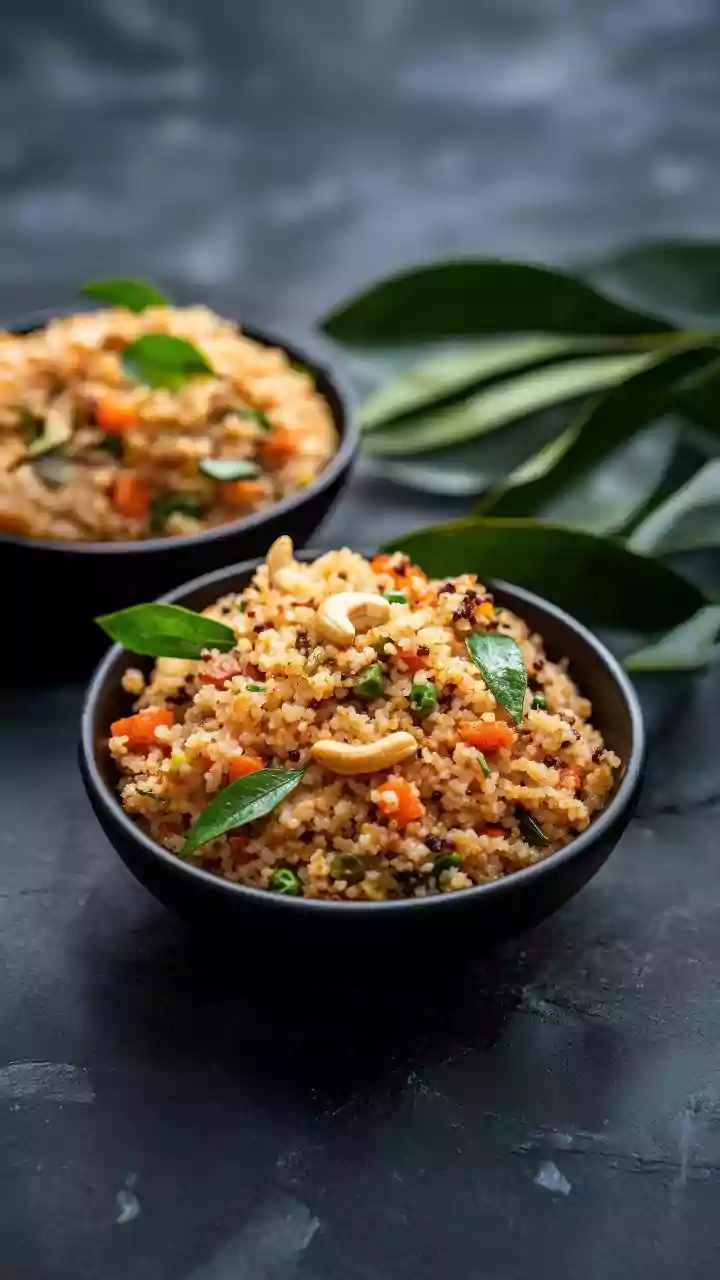

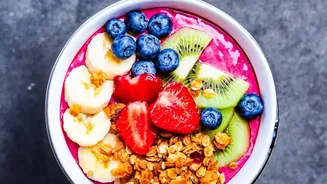

In the daily rush for a quick and healthy breakfast, the search for something that is both nourishing and convenient is endless. Enter the humble millet, a traditional powerhouse grain making a modern comeback in the form of delicious smoothies.
Why Your Breakfast Needs More Fibre
Dietary
fibre is a crucial component of a healthy diet, yet many people don't get enough of it. This plant-based nutrient plays a key role in maintaining a healthy digestive system, preventing constipation, and supporting the beneficial bacteria in your gut. Foods rich in fibre help you feel fuller for longer, which can aid in weight management by reducing the urge to snack between meals. Furthermore, certain types of fibre, particularly soluble fibre found in whole grains, can help control blood sugar levels by slowing down digestion and may also contribute to lowering cholesterol. Starting your day with a fibre-rich meal sets a positive tone for your body's digestive health and energy levels.
Millets: The Ancient Fibre Powerhouse
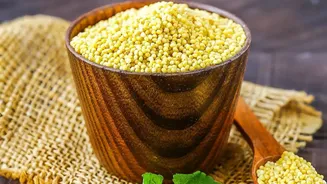
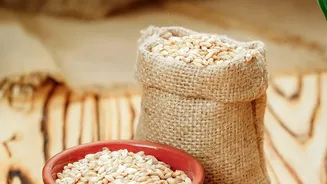
Millets are a group of small-seeded grains that have been a staple in Indian diets for thousands of years, and for good reason. Varieties like bajra (pearl millet), ragi (finger millet), and jowar (sorghum) are nutritional heroes. Compared to refined grains like white rice, millets offer a significantly higher amount of dietary fibre. For instance, 100 grams of bajra contains about 11.5 grams of fibre, while ragi provides around 11.2 grams. These grains are also naturally gluten-free and packed with essential minerals like iron, calcium, and magnesium, making them an excellent addition to any diet.
From Grain to Glass: Preparing Millets for Smoothies
You can't just toss raw millet grains into a blender. Proper preparation is key to creating a smooth, digestible, and delicious drink. The most common method is to cook the millet first. Simply rinse the grains, then cook them with water until soft, similar to making porridge. Once cooked, allow the millet to cool completely before blending. For a quicker alternative, you can use millet flour, such as ragi flour. Some flours come pre-roasted, which allows you to add them directly to your smoothie. If not, you can lightly roast the flour in a pan until aromatic before using it, or cook it into a thin paste with water and let it cool. This step ensures the smoothie has a creamy texture and the nutrients are easily absorbed.
Simple Millet Smoothie Ideas to Get Started
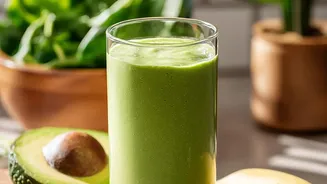
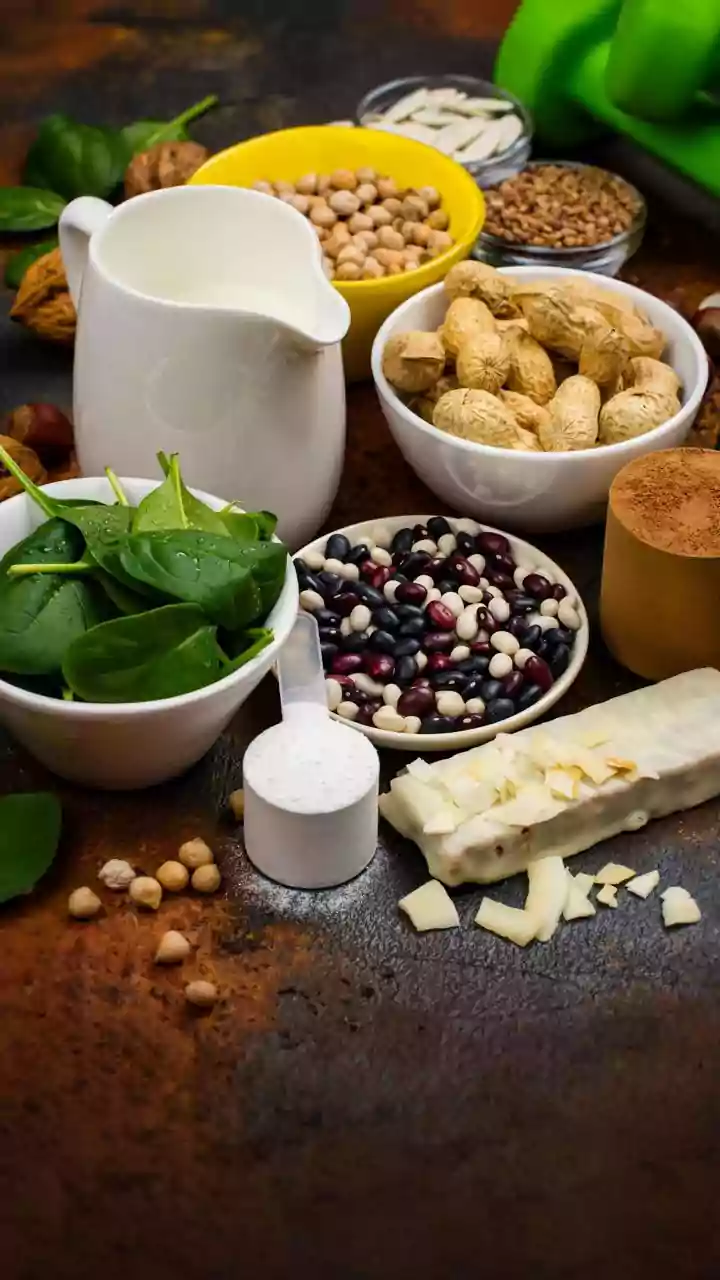
The beauty of millet smoothies lies in their versatility. You can easily adapt them to your taste preferences. A basic formula to follow is: cooked and cooled millet (or millet flour paste) + a fruit for sweetness and texture + a liquid base + optional addins. For a classic 'Ragi-Banana Smoothie', blend cooked ragi paste, a ripe banana, milk or yogurt, and a touch of honey or a few dates for sweetness. For a 'Tropical Jowar Smoothie', you could combine cooked jowar, mango chunks, pineapple, and coconut water. Don't be afraid to experiment with different combinations. Add a handful of spinach for a green boost, a spoonful of peanut butter for protein, or a sprinkle of chia seeds for extra fibre and healthy fats.
Tips for a Smooth Transition
Incorporating millet smoothies into your routine should be easy and enjoyable. To save time on busy mornings, you can cook a batch of millet over the weekend and store it in the refrigerator for a few days. If you are new to the taste of millets, start with a smaller amount and gradually increase it as you get accustomed to the flavour. Using frozen fruits like bananas or berries can give your smoothie a thicker, creamier consistency without needing ice. While millets provide a wholesome base, be mindful of adding too much sugar or sweeteners; let the natural sweetness of the fruits shine through.