




The Enduring Legacy of Hair Oiling
For centuries, the ritual of 'champi'—a thorough head massage with oils like coconut, amla, or bhringraj—has been the cornerstone of Indian hair care. Passed down through generations, this practice is celebrated for its ability to nourish the scalp, stimulate
blood circulation, and strengthen hair from the roots. This tradition is not merely a beauty routine but a cherished ritual, deeply embedded in cultural wellness practices. However, as lifestyles evolve, so do hair concerns. Increased exposure to urban pollution, hard water, chemical treatments, and heat styling have created problems that oiling alone cannot always solve.
The 'Skinification' of the Scalp
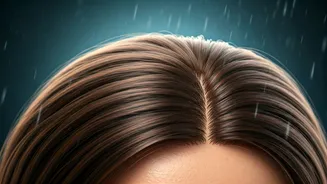
The most significant shift in modern Indian hair care is the concept of 'skinification'—treating the scalp with the same targeted care as facial skin. This trend acknowledges that a healthy scalp is the foundation for healthy hair. Consequently, the market is seeing a surge in products that mirror skincare routines, including scalp serums, exfoliants with AHAs and BHAs, hydrating tonics, and clarifying pre-shampoo treatments. Brands are formulating products with active ingredients like hyaluronic acid for hydration, salicylic acid to unclog follicles, and niacinamide to support the scalp's barrier. This approach is a direct response to rising consumer concerns about hair fall, dandruff, and oil imbalances, which are prevalent due to factors like stress and environmental aggressors.
Science-Backed Solutions Take Center Stage
Alongside scalp care, there's a growing appetite for scientifically advanced solutions, particularly for damage repair. Bond-building treatments, a category that was once exclusive to salons, are now widely available for at-home use. These products work on a molecular level to repair the disulfide bonds in hair that are broken by bleaching, coloring, and heat styling, improving strength and elasticity. The global bond repair market is projected to reach over USD 4.6 billion by 2034, and its growth in India reflects a consumer base that is becoming more educated about ingredients and expects proven efficacy. Peptides and keratin-based formulations are also gaining traction, offering salon-quality results at home for consumers willing to invest in premium, performance-driven products.
The Rise of the Multi-Step Routine
The one-step oil-and-shampoo routine is giving way to more elaborate, multi-step regimens. Pre-shampoo treatments, once a niche category, are now mainstream. These come in the form of oils, masks, and scrubs designed to protect hair from harsh cleansers, detangle, or purify the scalp. Similarly, post-wash care has expanded beyond basic conditioners to include leave-in serums, hydrating mists, and protective sprays. Consumers are no longer just buying products; they are building routines tailored to specific goals, from controlling frizz in humid weather to repairing chemical damage. This shift is driven by a desire for personalized solutions and is heavily influenced by social media, where dermatologists and beauty influencers educate consumers on building effective hair care habits.
Tradition Meets Modernity
This evolution doesn't signal the end of traditional practices but rather their integration into a more holistic system. Many new-age brands are blending Ayurvedic wisdom with modern science. You can now find champi oils infused with bond-repairing agents or scalp serums featuring traditional herbs like rosemary and amla alongside peptides. The Indian haircare market, valued at over USD 4 billion, is expanding rapidly by catering to a discerning consumer who appreciates both heritage and innovation. Brands are succeeding by offering products that provide the comfort of familiar, natural ingredients with the visible results promised by clinical science.