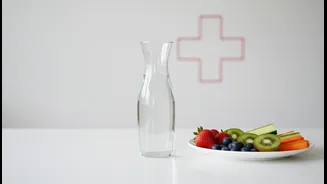









The Rise of the 'Wellness Bottle'
Walk through any lifestyle store or scroll through social media, and you'll likely encounter them: sleek, stylish water bottles promising more than just hydration. These are 'wellness bottles', and they come in various forms. There are glass bottles with
a chamber for crystals like rose quartz or amethyst, which claim to infuse the water with healing 'vibrational energy'. Others are made from copper, drawing on Ayurvedic traditions that suggest storing water in copper vessels can kill bacteria and offer health benefits. Then there are bottles that create alkaline or hydrogen-rich water, marketed with claims of reducing inflammation, boosting energy, and slowing the ageing process. These products tap into a powerful desire for health and well-being, offering what seems like a simple, beautiful solution to complex health goals.
Claims vs. Scientific Reality
While the marketing is appealing, the scientific evidence supporting the specific health claims of many wellness bottles is limited or non-existent. For crystal elixirs, there is no scientific proof that crystals can transfer 'healing energy' to water. Any perceived benefits are often attributed to the placebo effect or the simple fact that having a beautiful bottle encourages you to drink more water. For alkaline water, dietitians note that the human body is excellent at regulating its own pH levels, and what you drink has little to no effect on your blood's pH. While some small studies suggest benefits for hydrogen water, a consensus in the scientific community is far from being reached, with many experts calling for larger, more rigorous studies. Even the benefits of copper bottles come with caveats; for copper's antibacterial properties to work, water may need to be stored for many hours or even days, which may not be practical for a bottle used on the go.
The Foundation: Food is Your Fuel
This is the core message that health experts stand by: supplements and wellness gadgets cannot replace a nutrient-dense diet. A balanced diet provides a complex synergy of vitamins, minerals, fibre, and phytonutrients that work together in ways a single product cannot replicate. Whole foods like fruits, vegetables, lean proteins, and whole grains are the building blocks of good health. They support your immune system, provide sustained energy, and reduce the risk of chronic diseases. Relying on a 'special' type of water for nutrients overlooks the foundational role that food plays. While staying hydrated is crucial, plain water is perfectly effective for most people. Getting your nutrients from a varied diet is almost always superior to getting them from supplements or fortified products.
The Danger of Self-Diagnosis
Perhaps the greatest risk of over-relying on wellness products is that they can encourage self-diagnosis and delay professional medical care. If you are experiencing persistent symptoms like fatigue, digestive issues, or chronic pain, it's a sign that you should consult a doctor, not an influencer selling a wellness bottle. A fancy bottle is not a diagnostic tool or a treatment plan. Attempting to solve health issues with a product can mask serious underlying conditions, preventing you from getting the timely and appropriate treatment you need. The wellness industry is valued at trillions of dollars, and it's essential to be a discerning consumer. Hyperbolic claims of 'miracle' cures should be viewed with scepticism.
Finding a Healthy Balance
This isn't to say you must throw out your beautiful water bottle. If having a crystal-infused or copper bottle encourages you to drink more water and stay hydrated, that is a positive outcome. Hydration is essential for everything from skin health to physical performance. The problem arises when the bottle is seen as a magic bullet—a substitute for the hard work of building healthy habits or a replacement for professional medical advice. Think of it as an accessory to your health journey, not the journey itself. The real drivers of wellness remain unchanged: a balanced and varied diet, regular physical activity, adequate sleep, and a strong relationship with a trusted healthcare provider who can offer personalised guidance based on evidence, not trends.