






An Overview of October's Climate
October signals the end of the heavy monsoon season for most of India and the start of what many consider the best time of year to visit. The weather is generally sunny and warm, but it's a month of two halves. Early October can still see lingering showers,
while the latter half becomes progressively drier and cooler, especially at night. A key phenomenon is the retreating monsoon, which withdraws from the north and west, while simultaneously bringing rain to parts of the south and east. This means that while Rajasthan becomes dry and sunny, Tamil Nadu enters one of its wettest periods. Average daytime temperatures can range from 34°C in Delhi to the low 20s in the Himalayan foothills.
North India: Clear Skies and Pleasant Days
For the northern plains, including cities like Delhi, Agra, and Varanasi, October brings a welcome respite from the intense heat and humidity of the preceding months. You can expect comfortably warm and dry days, with temperatures often hovering around 30-34°C, and cooler evenings. This is an ideal time for sightseeing at iconic spots like the Taj Mahal. In the Himalayan states of Himachal Pradesh and Uttarakhand, the weather is crisp and clear. Daytime temperatures are mild, typically in the mid-20s, offering perfect conditions for trekking and enjoying mountain views before the winter chill sets in. Packing layers is key, as nights can get cold.
West and Central India: Dry Heat and Open Parks
Western India, particularly Rajasthan and Gujarat, enters its prime tourist season in October. The landscape, still green from the monsoon, is paired with dry, sunny skies. Daytime temperatures in cities like Jaipur and Jodhpur can still be hot, often in the low to mid-30s, but the oppressive humidity is gone, making it far more pleasant for exploring forts and palaces. Evenings become noticeably cooler. It's also a great month for wildlife enthusiasts, as national parks like Ranthambore reopen after their monsoon closure. In Mumbai and the central regions, the weather is similarly pleasant and largely rain-free, though the phenomenon known as 'October Heat' can cause brief spikes in temperature and humidity before winter arrives.
South India: The Retreating Monsoon
The weather story in South India is more complex. While states like Goa and Kerala see a decrease in rain and an increase in sunshine, they can still experience occasional showers, especially early in the month. These brief downpours often leave the air feeling fresh amid temperatures of around 30°C. However, the eastern coast, particularly Tamil Nadu, is a different matter. This region begins to experience the northeast monsoon in October, which brings significant rainfall. While it doesn't rain constantly, travellers should be prepared with rain gear. The benefit is that the landscapes are incredibly lush and green.
East and Northeast India: Lush Landscapes and Festivals
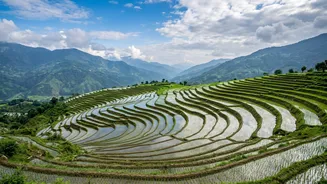
October is widely considered one of the best months to visit Northeast India. The monsoon has passed, leaving the hills of Meghalaya, Sikkim, and Arunachal Pradesh vividly green and the rivers full. The skies clear up, providing stunning visibility for mountain views. Temperatures in the hill stations are comfortable, ranging from 15°C to 20°C, while lower-altitude areas like Guwahati remain warmer. It's an excellent time for trekking and sightseeing. In West Bengal, Kolkata enjoys pleasantly warm and dry weather, often coinciding with the grand celebrations of Durga Puja, offering a unique cultural experience for travellers.