








The Silent Crisis on the Slopes
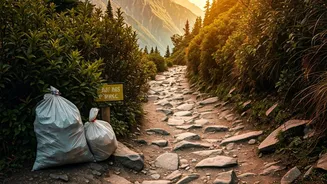
For decades, the majestic peaks of the Indian Himalayas have been a magnet for trekkers, pilgrims, and adventurers. But with soaring footfalls comes a grim consequence. Popular trekking routes and base camps are increasingly blighted by plastic bottles,
food wrappers, and discarded gear. This isn't just an eyesore; the unmanaged waste pollutes vital water sources, harms local wildlife, and threatens the delicate ecological balance of the world's highest mountain range. According to some estimates, tourism generates millions of tonnes of waste in the Indian Himalayan Region annually, a problem exacerbated by difficult terrain that makes disposal nearly impossible.
A New Wave of Green Guardians
In response to this escalating problem, a coalition of non-profit organisations and volunteer-driven initiatives is stepping up. Groups like Healing Himalayas Foundation, Waste Warriors, and trekking companies such as Trek The Himalayas are at the forefront of this movement. For years, these organisations have been conducting cleanup drives, but they are now intensifying their efforts with a focus on creating systemic, zero-waste solutions. Healing Himalayas, founded by Pradeep Sangwan, has been a pioneering force, clearing over 2,000 tonnes of waste through more than 1,000 cleanup drives over nearly a decade. Similarly, Waste Warriors has been instrumental in creating community-based waste management systems in areas around Corbett Tiger Reserve and other Himalayan regions.
How 'Zero Waste' Works at High Altitude
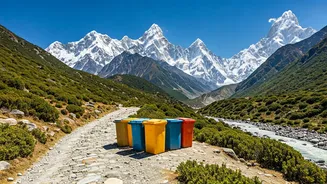
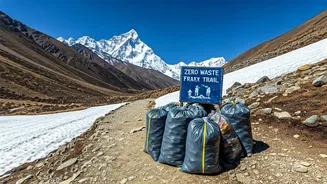
Implementing a zero-waste model in the Himalayas is a monumental task. It goes beyond simple cleanups. These new drives focus on a multi-pronged strategy. The first step is mass collection. For instance, a recent drive by Trek The Himalayas on the Goechala trail collected over 700 kg of waste. The collected material is then meticulously segregated into recyclable and non-recyclable categories. Groups like Healing Himalayas are establishing Material Recovery Facilities (MRFs) in remote regions to process this waste effectively. These facilities are equipped with machinery for baling, shredding, and compressing materials, preparing them for transport out of the mountains to recycling centres. The entire process involves building reverse logistics networks to move tonnes of waste from high-altitude camps back to the plains—a challenge that requires immense coordination and resources.
More Than Just a Cleanup
The core of these new initiatives lies in changing mindsets. The volunteer groups understand that a permanent solution requires a shift in behaviour among tourists, trekking companies, and local communities. They are conducting extensive awareness campaigns, educating trekkers on the principles of 'Leave No Trace' and the importance of waste segregation at the source. Many now provide trekkers with garbage bags at the start of a trail and educate them on responsible disposal. Furthermore, they work closely with local villagers, empowering them to become custodians of their environment. Waste Warriors, for example, engages women's self-help groups to lead door-to-door waste collection and even create upcycled handicrafts, turning waste into a livelihood opportunity.
The Path to a Pristine Future
While these zero-waste drives are making a significant impact, the challenge remains vast. The success of these models depends on sustained funding, volunteer participation, and collaboration with government bodies. Organisations are increasingly calling for policies like Extended Producer Responsibility, which would make manufacturers accountable for the packaging waste their products create. The goal is to move from a reactive cleanup model to a proactive, circular system where waste is minimised and managed responsibly from the outset. By transforming visitors and residents into active partners, these volunteer-led drives are not just cleaning the mountains; they are building a sustainable culture of conservation to ensure the Himalayas remain a source of wonder for generations to come.