
From Niche Hobby to Mainstream Movement
Not long ago, photographing the night sky was the domain of professional astronomers with highly specialised equipment. Today, astrophotography has become a beloved pursuit for travellers, photographers, and dreamers alike. This surge is driven by a simple,
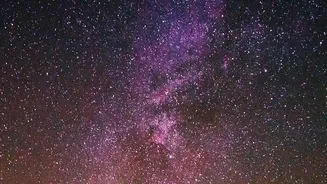
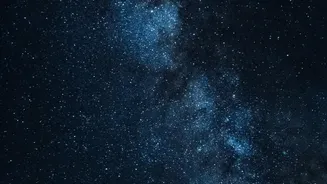
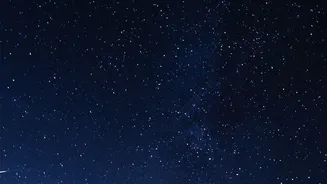
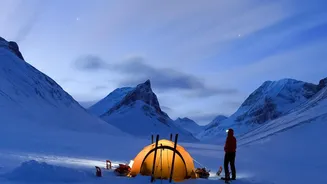
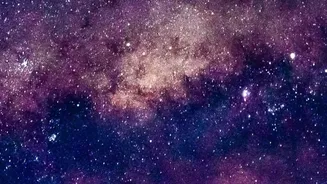
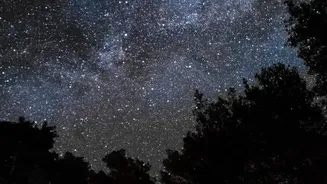
powerful desire: to escape the light-polluted haze of urban India and reconnect with a sky brimming with stars. For many city dwellers who can only see a few dozens stars on a clear night, the chance to witness the Milky Way stretching across the horizon is a profound experience. This has sparked a new wave of astro-tourism, where the celestial view is the main attraction, turning remote, dark locations into coveted destinations.
Technology Unlocked the Cosmos for Amateurs
A key driver of this trend is the accessibility of technology. Modern DSLR and mirrorless cameras have become incredibly capable in low-light conditions, allowing amateurs to capture images of the Milky Way that were once impossible without a telescope. Even high-end smartphones can now take impressive night-sky shots. This democratization of gear means you no longer need an observatory to create a jaw-dropping photo of a nebula or a meteor shower. Coupled with the visual nature of platforms like Instagram, where breathtaking starscapes quickly go viral, a new generation has been inspired to try their hand at capturing the cosmos.
Why Winter Skies Are the Clearest
The focus on winter is no coincidence. The months from November to February offer the best stargazing conditions across much of India. After the monsoons wash dust and pollutants from the atmosphere, the air becomes exceptionally transparent. Lower humidity and colder, stable air result in crisp, clear skies, perfect for both visual observation and photography. This period also brings prominent celestial objects like the Orion Nebula and the Pleiades star cluster into prime view, while avoiding the summer monsoon clouds that obscure the sky in many regions.
India’s Premier Dark-Sky Destinations
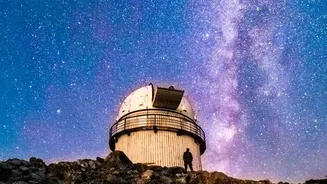
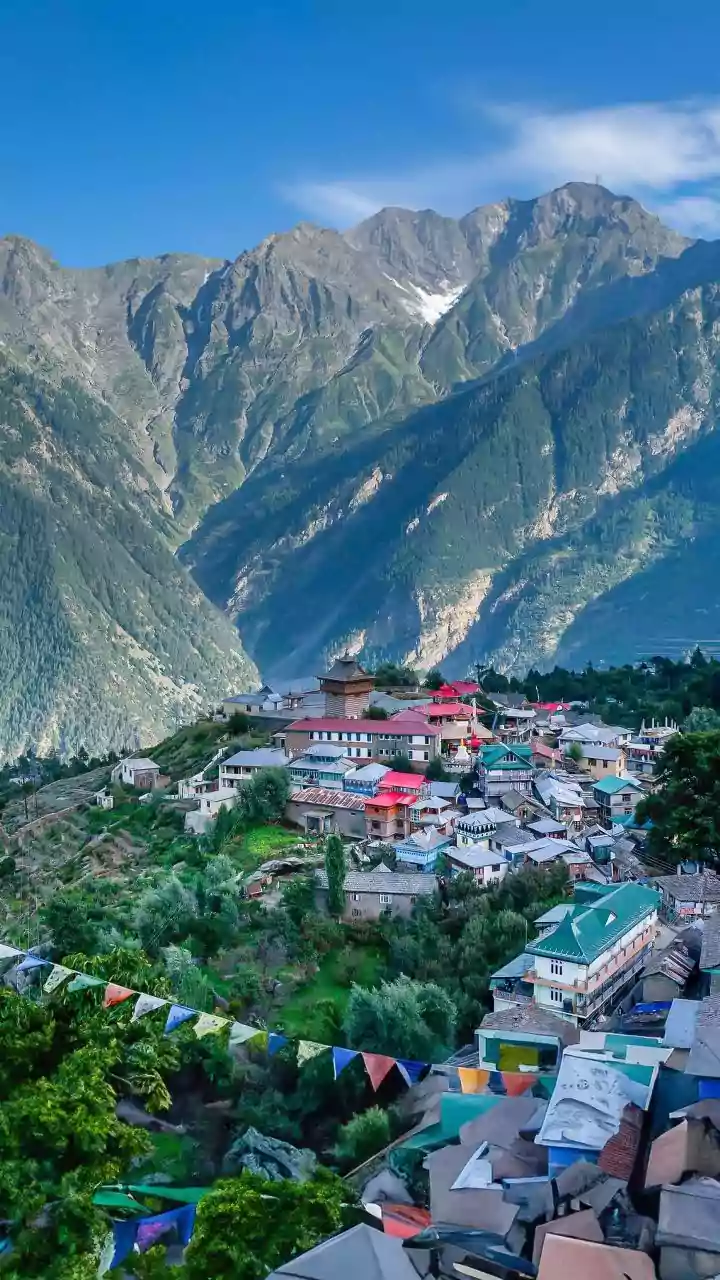
India’s diverse geography offers a spectacular range of dark-sky locations. The undisputed crown jewel is Hanle in Ladakh, home to India's first official Dark Sky Reserve. At an altitude of 4,500 metres, its thin, dry air and near-zero light pollution provide what many consider the best stargazing in Asia. The success of the reserve, which has seen visitor numbers surge, highlights the growing demand. Other Himalayan hotspots include the remote villages of Spiti Valley, such as Komic and Langza. Beyond the Himalayas, the vast, uninterrupted horizon of the Rann of Kutch in Gujarat offers a magical setting during the dry winter months. Similarly, desert camps far from city lights in Jaisalmer, Rajasthan, provide stunning views of the cosmos.
Getting Started on Your Cosmic Journey
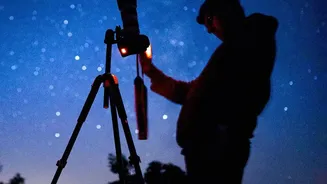
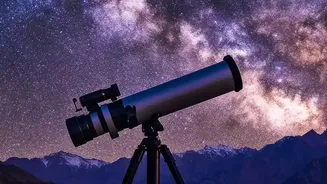
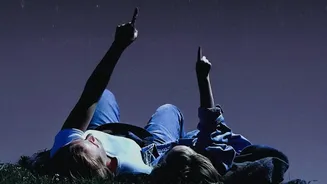
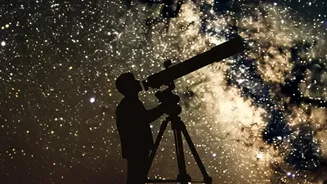
The beauty of this trend is its accessibility. You can start your astrophotography journey with just a camera that has manual controls, a wide-angle lens, and a sturdy tripod. Planning is crucial: aim for nights around the new moon, as a bright moon will wash out the fainter stars and the Milky Way. Many organisations and resorts now offer guided workshops and stargazing sessions, providing telescopes and expert guidance for beginners. From astronomy-themed resorts like Astroport Sariska to local homestays in Hanle offering telescope sessions, the tourism ecosystem is rapidly evolving to cater to this new brand of traveller.