




Why Your Garden (or Balcony) Matters
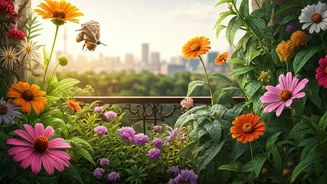
Urbanisation and habitat loss have put immense pressure on our local wildlife. Pollinators like bees and butterflies are crucial for our ecosystem, responsible for helping a vast number of plants, including many food crops, to reproduce. Birds, meanwhile,
help control pests and disperse seeds. As natural spaces shrink, our gardens, balconies, and even window sills have become critical stepping stones for these creatures. A new guide, compiling expertise from conservationists, shows that you don't need a sprawling estate to make a difference. By making a few conscious choices, you can turn any outdoor space into a thriving micro-sanctuary.
Choose Native Plants First
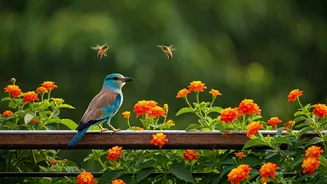
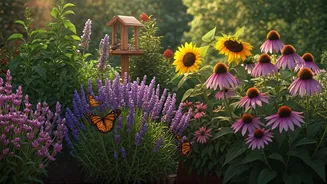
The single most effective step you can take is to plant native species. Local birds, bees, and butterflies have evolved alongside these plants for thousands of years and depend on them for food and shelter. While exotic flowers might look beautiful, they often offer little to no nutritional value for local wildlife. For butterflies, consider planting host plants for their caterpillars, like the curry leaf plant for the Common Mormon butterfly. For bees, flowers like Indian marigolds (gainda), cosmos, and sunflowers are excellent sources of nectar. For birds, fruiting trees like Indian plum (jamun) or mulberry (shahtoot) are invaluable, if you have the space.
Provide a Reliable Water Source
Water is as essential as food, especially during India's hot summers. A simple, shallow dish of water can be a lifesaver for all kinds of creatures. This is known as a bird bath, but bees and butterflies will use it too. To make it safe for smaller insects, add a few pebbles or marbles to the dish so they have a place to land and drink without drowning. Remember to clean the dish and change the water every couple of days to prevent mosquitoes from breeding and to keep the water fresh and inviting for your visitors.
Rethink Your Approach to 'Pests'
The manual strongly advises against using chemical pesticides and herbicides. These chemicals are indiscriminate, killing beneficial insects like ladybugs and bees just as effectively as the pests you're targeting. They can also harm birds that might eat the poisoned insects. Instead, embrace a more natural approach. A healthy garden will attract predators like spiders and ladybugs that naturally control aphid populations. If you must intervene, use organic solutions like a simple neem oil spray, which is far less harmful to the wider ecosystem. Learning to tolerate a little bit of 'damage' on leaves is part of creating a living, breathing garden.
Create Shelter and Nesting Spots
Wildlife needs places to hide from predators and raise their young. You can help by allowing parts of your garden to be a little 'messy'. A small pile of fallen leaves and twigs in a corner can provide shelter for insects and foraging ground for birds. If you have trees, resist the urge to prune every dead branch, as they can contain cavities perfect for nesting birds like barbets. You can also buy or build simple 'bug hotels' from bundles of bamboo sticks or blocks of wood with holes drilled into them. These provide safe nesting sites for solitary bees, which are gentle and excellent pollinators.
Even a Small Balcony Can Be a Haven
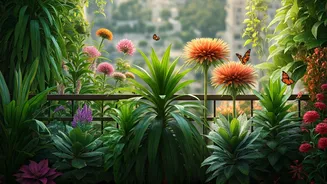
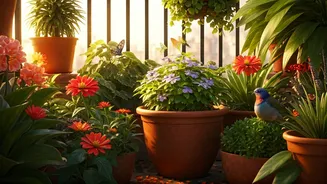
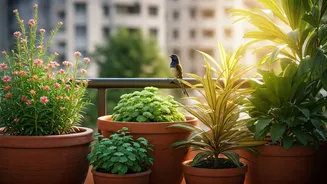
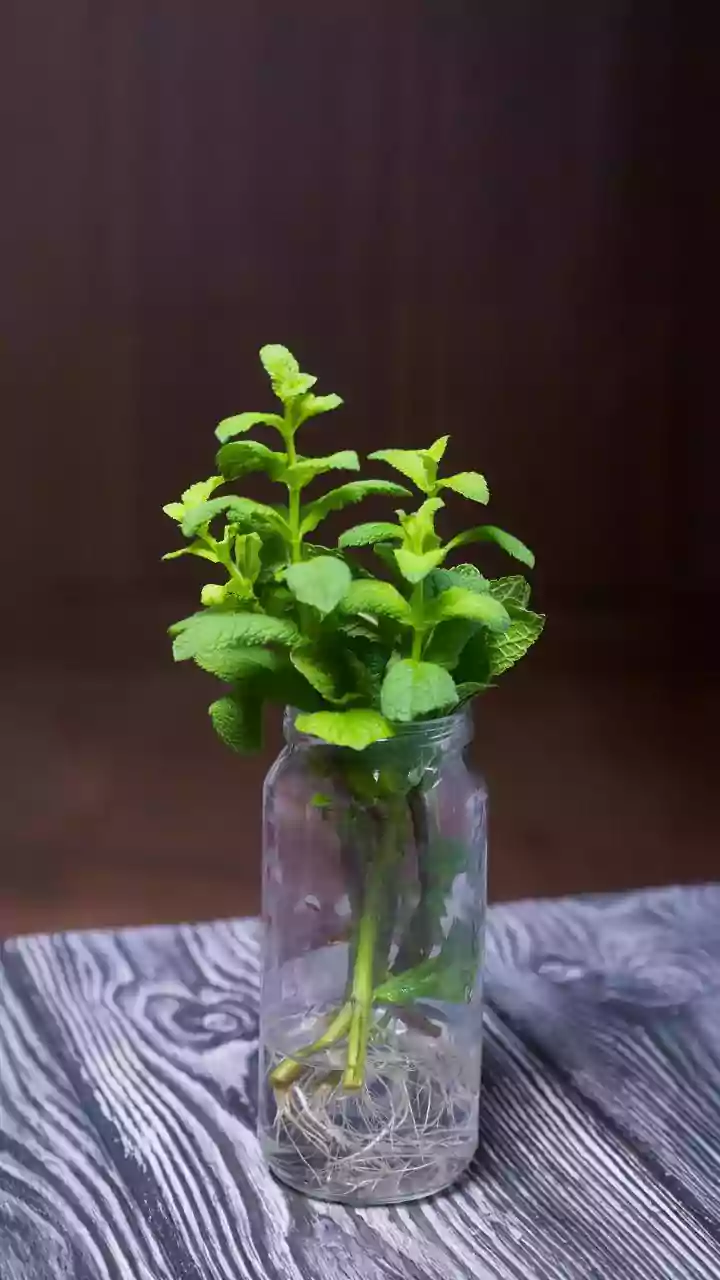
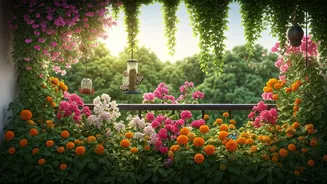
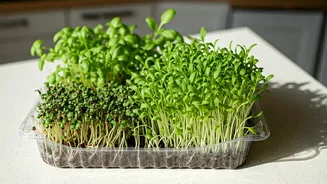
Lack of a garden shouldn't stop you. A few well-chosen pots on a balcony can become a vibrant pollinator pit stop. Choose a variety of flowering plants that bloom at different times to provide a year-round food source. Herbs like basil (tulsi), mint, and coriander are easy to grow in pots and their flowers are loved by bees. A hanging basket of petunias or a pot of bright bougainvillaea can attract butterflies. Combine this with a small water dish, and your balcony is transformed from a simple outdoor space into a crucial link in the urban ecological chain.