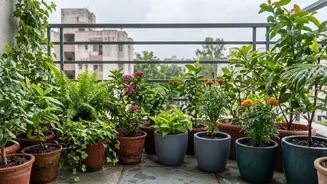

Start with the Right Soil Mix
The single biggest mistake in container gardening for monsoons is using heavy, loamy garden soil that holds too much water. When it rains continuously, this soil becomes a dense, oxygen-deprived bog where roots suffocate and rot. Your first line of defence
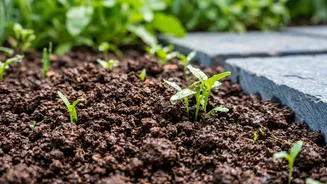
is a well-draining potting mix. A good formula for most balcony plants in India is a combination of cocopeat, compost, and perlite or coarse sand. Cocopeat or peat moss helps retain some moisture without becoming waterlogged, perlite creates air pockets essential for root health, and compost provides nutrients. If you are not mixing your own, look for pre-made potting soils advertised as 'well-draining' or 'lightweight'. This simple change can make a world of difference.
Choose Your Pots Wisely
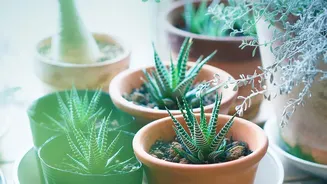
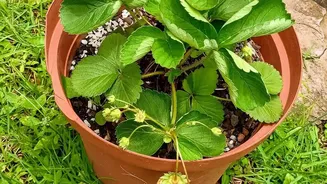
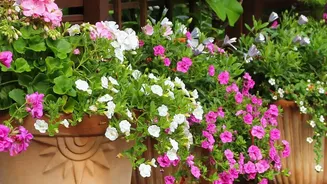
Not all pots are created equal, especially during the monsoon. While decorative, plastic and glazed ceramic pots retain more moisture. Terracotta or clay pots are often a better choice for this season as their porous nature allows excess water to evaporate through the walls, helping the soil to dry out faster. Regardless of the material, ensure every single pot has at least one, preferably multiple, drainage holes at the bottom. This is non-negotiable. Stagnant water is the primary cause of root rot, and a blocked or non-existent drainage hole is a guaranteed problem. Before planting, it's a good practice to add a layer of broken pottery or small stones at the bottom to further improve drainage.
Master the Art of Monsoon Watering
It seems counterintuitive, but overwatering is a major risk during the rainy season. Many gardeners stick to their summer watering schedule, which becomes deadly when the air is humid and rain is frequent. The golden rule for the monsoon is: check before you water. Insert your finger or a wooden skewer about two inches into the soil. If it comes out damp or with soil clinging to it, do not water the plant. For plants directly exposed to rain, you may not need to water them manually at all for weeks. Plants under a covered part of the balcony will still need water, but much less frequently than in summer. Always water in the morning so any excess moisture can evaporate during the day.
Elevate and Create Space
One of the most effective and simple changes you can make is to physically lift your pots off the floor. Place them on pot stands, bricks, or 'pot feet'. This simple act ensures that the drainage holes are not blocked by the floor and allows air to circulate underneath, helping the base of the pot to dry out. Also, avoid crowding your plants. While a dense jungle look is appealing, tightly packed plants trap humidity and restrict airflow between them. Good air circulation is crucial for drying leaves and the soil surface, which helps prevent the spread of fungal diseases like powdery mildew that thrive in damp, stagnant conditions.
Watch for the Warning Signs
Early detection is key to saving a plant from root rot. The first signs often appear on the leaves, not the roots. Look for widespread yellowing leaves, especially lower ones, or a plant that is wilting even though the soil is wet. These are classic signs that the roots are damaged and can no longer absorb water and nutrients properly. Another tell-tale sign is a foul, swampy, or rotten smell coming from the soil. Healthy roots are typically white and firm; rotten roots are brown or black and feel mushy to the touch. If you suspect root rot, you must act quickly by unpotting the plant to inspect the root system.
Be Cautious with Fertiliser and Fungicide
Plants generally grow slower in the reduced light of the monsoon season, so they need fewer nutrients. Reduce your fertilising schedule by about half. Over-fertilising can lead to weak, leggy growth that is more susceptible to pests and diseases. When it comes to fungus, prevention is better than cure. You can use a preventive spray of neem oil every 10-15 days, which acts as a natural fungicide. For plants that are particularly susceptible or have had issues before, a preemptive drench with a commercial fungicide like copper oxychloride at the start of the monsoon can be beneficial. However, always follow the package directions carefully, as overuse can harm the plant.