

From K-Drama to Café Menu
The connection is direct and powerful: as audiences in Hyderabad binge-watch the latest K-dramas, they develop a craving for the food they see on screen. Characters sharing a bowl of ramyeon or grabbing a quick kimbap has translated into a real-world
demand. This isn't just about trying a new cuisine; it's about participating in a global cultural phenomenon. Hyderabad’s café owners have been quick to respond, integrating dishes that were once niche into their mainstream menus, turning a pop culture moment into a tangible culinary experience. The walls of some restaurants are even decorated with posters of K-pop bands like BTS and Blackpink, creating an immersive environment for fans.
What's on the Plate?
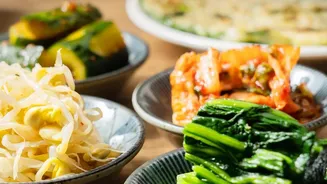
While traditional restaurants have long offered staples like kimchi and bulgogi, the city's cafes are focusing on more casual, snackable fare. Korean corn dogs, with their satisfyingly crispy coating and cheesy pull, are becoming a common sight. Kimbap, often described as Korea's version of a seaweed rice roll, offers a lighter yet filling option perfect for a café lunch. You'll also find spicy-sweet tteokbokki (chewy rice cakes), crispy Korean fried chicken, and various styles of ramyeon (Korean noodle soup). These dishes are not only flavourful but also highly photogenic, making them a natural fit for the social media-driven world of modern café hopping.
A Hyderabadi-Korean Flavour Fusion
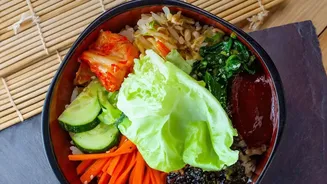
A key reason for the trend's success is the smart adaptation of Korean flavours to the local palate. While authentic spots run by Korean nationals exist, many cafes are creating a 'glocal' experience. This might mean offering more vegetarian and vegan versions of popular dishes like bibimbap and dumplings (mandu), a crucial move in the Indian market. Some establishments are also adjusting the spice levels or incorporating familiar ingredients to make the dishes more approachable. This fusion isn't about diluting the experience but about creating a bridge between two vibrant food cultures, making Korean cuisine feel less foreign and more like an exciting new neighbour.
The Café as a Cultural Hub
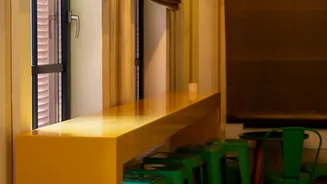
For many, especially Gen Z, these cafes are more than just places to eat. They have become hubs for Hallyu fans to connect. In areas like Jubilee Hills, Banjara Hills, and the buzzing tech corridor of Gachibowli, cafes and restaurants are curating experiences. You're not just ordering food; you're dining in a space that plays K-pop, has decor inspired by Seoul's café scene, and is filled with people who share your interests. This communal aspect transforms a simple meal into a shared cultural celebration, solidifying the trend's place in the city's social fabric.