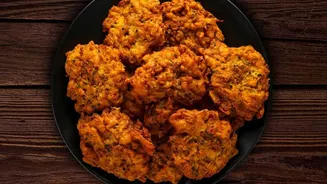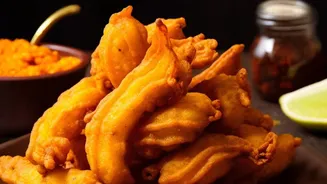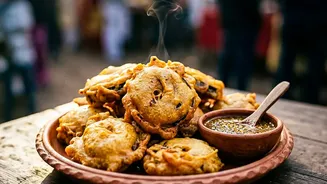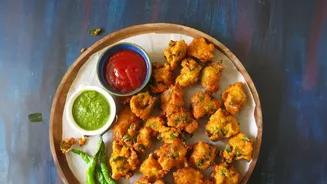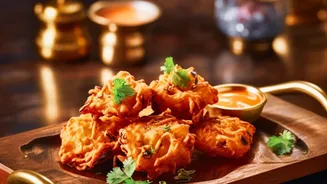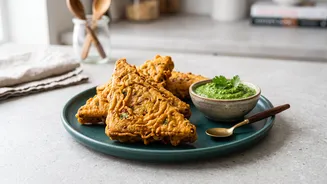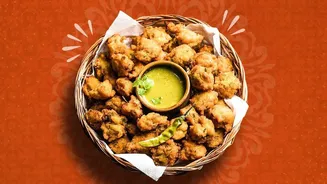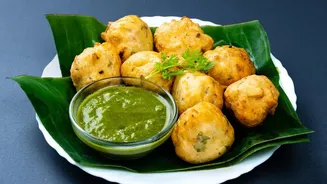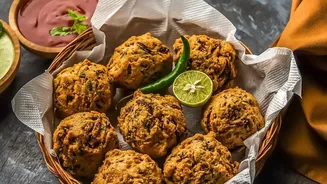


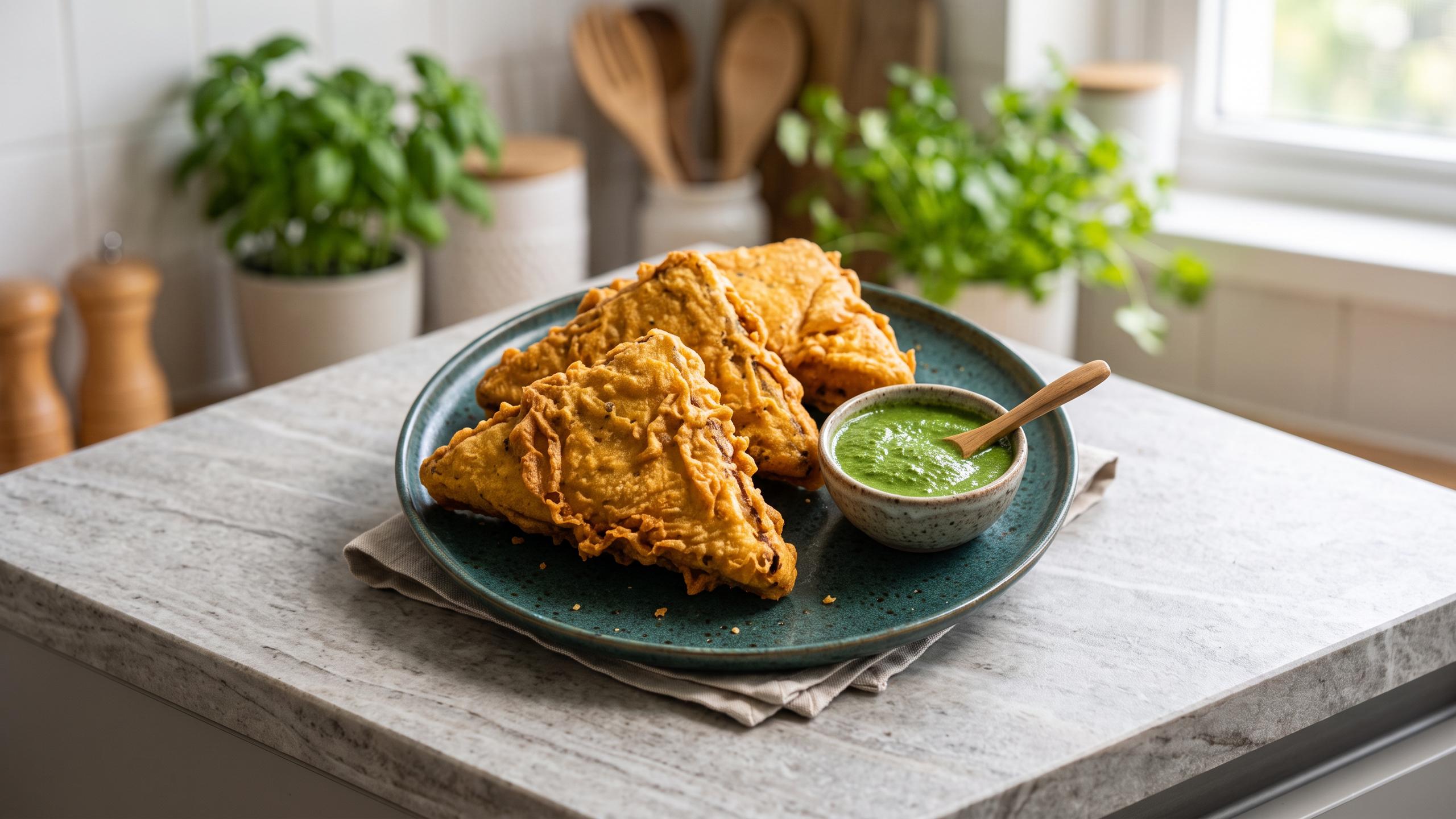
The allure of a hot, crispy bread pakora, fresh from a street vendor's kadai, is undeniable. But recreating that magic at home can often result in a snack that’s more oily than awesome. Here’s how to get that perfect texture without the grease.
Perfect The Batter Consistency
The single
biggest culprit behind oily pakoras is a batter that is too thin or runny. A watery besan (gram flour) batter doesn't create a quick seal when it hits the hot oil. Instead of crisping up, the bread acts like a sponge. Your goal should be a thick batter that clings securely to the bread slice without dripping off easily. A good rule of thumb is a consistency similar to thick pancake batter. Avoid over-mixing, but ensure no lumps remain. Letting the batter rest for 10-15 minutes can also improve its texture.
Harness The Power Of The Right Flour
While besan is the heart and soul of pakora batter, adding a small amount of a different flour can dramatically reduce oil absorption and boost crispiness. Many chefs and street vendors add rice flour to their mix. Rice flour is lighter and absorbs less oil, creating a delicate, crunchy crust that stays crisp for longer. A common ratio is about two to three tablespoons of rice flour for every cup of besan. This combination gives you the nutty flavour of besan with the structural, crispy advantage of rice flour.
Master The Oil Temperature
Frying is a science of temperature. If your oil is not hot enough, the pakora will simply sit and soak it up, leading to a heavy, greasy result. If the oil is too hot, the outside will burn before the inside is properly cooked. The ideal temperature range for most deep-frying is between 170°C and 190°C. If you don't have a kitchen thermometer, you can test the oil by dropping a tiny bit of batter into it. It should sizzle immediately and rise to the surface without turning dark too quickly. If it sinks and stays at the bottom, the oil is too cold.
Try The Double-Fry Technique
A secret used by many food professionals for ultimate crispiness is the double-fry method. This technique is especially effective for stuffed bread pakoras. The first fry is done at a lower temperature (around 160°C) for a few minutes until the pakora is cooked through but still pale. Remove it from the oil and let it rest for a few minutes. Then, increase the oil temperature to high (around 190°C) and fry the pakoras again for just a minute or two until they are deep golden brown and crispy. This second, hotter fry helps to expel excess oil and creates a super-crisp exterior.
Don't Overcrowd The Pan
It can be tempting to fry as many pakoras as possible in one go, but this is a crucial mistake. Adding too many pieces at once causes the oil's temperature to drop significantly. When the temperature falls, the batter won't seal quickly, leading directly to oil absorption. Fry in small batches, ensuring there is plenty of space around each pakora. This maintains a stable, hot temperature, guaranteeing each piece fries to a perfect, non-greasy crisp.
Drain Smarter, Not Harder
How you drain your pakoras after frying makes a difference. While placing them on paper towels is common, it's not the most effective method. Paper towels can trap steam, which can make the underside of the pakora soggy. The best way to drain fried food is on a wire rack placed over a baking sheet. This allows air to circulate all around the pakora, letting excess oil drip away while keeping the entire surface crispy and dry to the touch.