






Why 15-Minute Circuits Are Your Secret Weapon
Don't underestimate the power of a short workout. High-Intensity Interval Training (HIIT), the principle behind these circuits, involves short bursts of intense exercise followed by brief rest periods. Research shows that as little as 15 minutes of this
type of activity can be incredibly effective. It revs up your metabolism, improves cardiovascular health, and builds strength efficiently. The key is intensity and consistency. By pushing yourself during the work intervals, you create a metabolic demand that keeps your body burning calories long after you've finished. It's the perfect solution for getting maximum benefits in minimal time, making it easier to stick to your routine even on the busiest days.
The 3-Minute Dynamic Warm-Up
Never skip a warm-up, even when you're short on time. A proper warm-up prepares your muscles for action, improves blood flow, and reduces the risk of injury. These dynamic movements will get your body ready to work in just three minutes. Perform each for 30 seconds: - Jumping Jacks: A classic full-body move to get your heart rate up. - High Knees: Run in place, driving your knees up towards your chest to activate your core and leg muscles. - Arm Circles: Stand with feet shoulder-width apart and make large circles with your arms, first forwards and then backwards, to loosen up your shoulders. - Torso Twists: Gently twist your upper body from side to side to warm up your core and spine.
The 15-Minute Full-Body Circuit
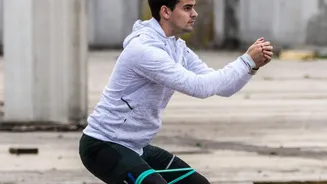
This no-equipment circuit is designed to work your entire body. Perform each exercise for 45 seconds, followed by 15 seconds of rest before moving to the next. Complete two full rounds of the circuit. If you have time, a third round will amplify the results. - Bodyweight Squats: Stand with feet shoulder-width apart and lower your hips as if sitting in a chair, keeping your chest up and back straight. This builds lower body and core strength. - Push-Ups: In a plank position, lower your body until your chest nears the floor, then push back up. For a modification, perform them on your knees. This targets your chest, shoulders, and triceps. - Alternating Lunges: Step one foot forward and lower both knees to 90-degree angles. Push back to the start and repeat on the other side. This is great for leg strength and stability. - Plank: Hold a straight line from your head to your heels, engaging your core. This is one of the best exercises for core stability. - Burpees: This is the ultimate full-body move. From standing, squat down, place your hands on the floor, jump your feet back to a plank, jump them back in, and then explode up into a jump. For a modification, step your feet back and in instead of jumping.
Making It Work For You
The beauty of a bodyweight circuit is its versatility. If you're a beginner, don't be intimidated. You can reduce the work time to 30 seconds and increase the rest to 30 seconds. Focus on mastering the form of each exercise, such as doing push-ups on your knees or reducing the depth of your squats. If you're more advanced and want a greater challenge, try to increase your repetitions within the 45-second window or add explosive power, for example by turning your squats into jump squats. The most important thing is to listen to your body and work within your limits.
Hacks to Stay Consistent
The hardest part of any fitness plan is sticking with it. Treat your 15-minute workout like an unmissable appointment. Lay out your workout clothes the night before to remove one barrier. Find a workout buddy to keep you accountable, or use social media to track your progress and find a community. Remember why you started – whether it's to have more energy, feel stronger, or simply invest in your well-being. Some days you'll feel motivated, and other days you won't. That's when discipline takes over. On days you feel tired, promise yourself just five minutes. Often, once you start, you'll find the energy to finish the full 15.
The All-Important Cool-Down
After your final circuit, take two to three minutes to cool down. This helps your heart rate return to normal and can improve flexibility and reduce muscle soreness. Hold each of these static stretches for 30 seconds: - Quadriceps Stretch: Stand on one leg and pull your other heel towards your glute, feeling a stretch in the front of your thigh. - Hamstring Stretch: Sit on the floor with one leg extended and the other bent. Gently lean forward over the straight leg. - Chest Stretch: Clasp your hands behind your back and gently pull them downwards, opening up your chest. - Child's Pose: Kneel on the floor, sit back on your heels, and fold forward, resting your forehead on the ground and extending your arms.