




The Dawn of the 'Micro-Cation'
Forget saving up 15 days of paid leave for one big trip. The new mantra for young Indian professionals and students is to travel more by travelling shorter. Enter the 'micro-cation': a short, intentional trip of two to five days, often planned around
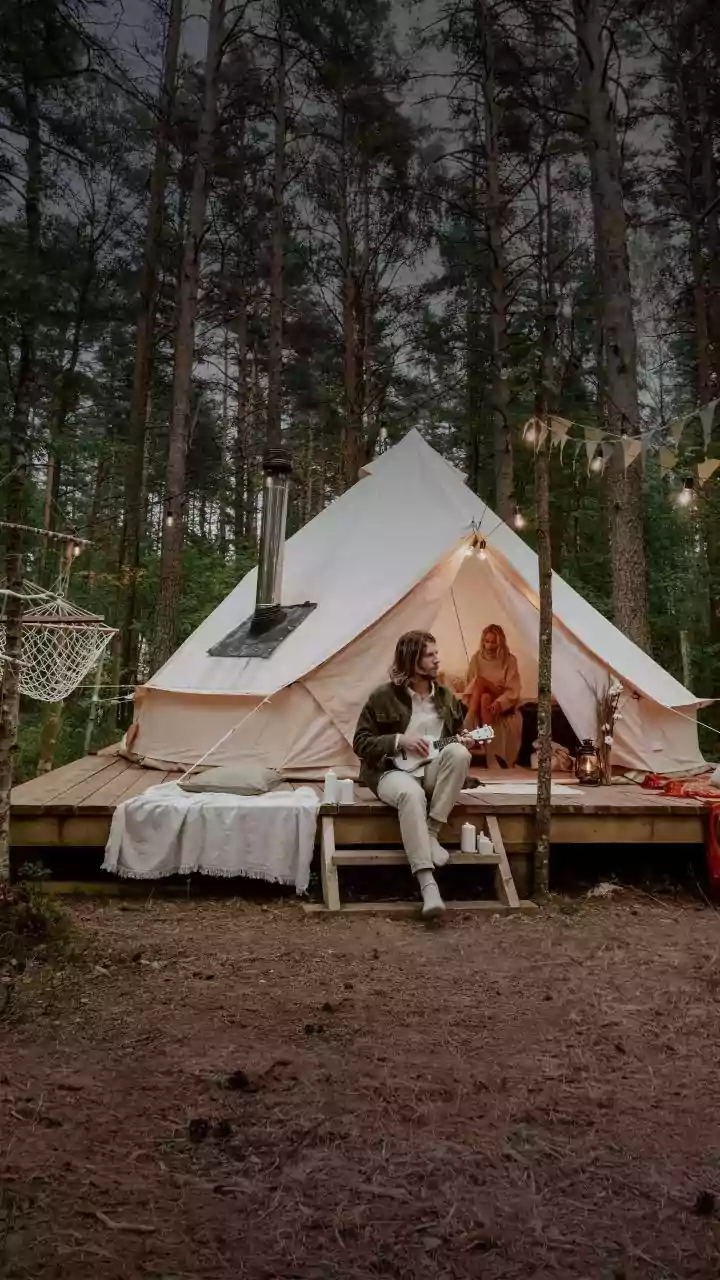
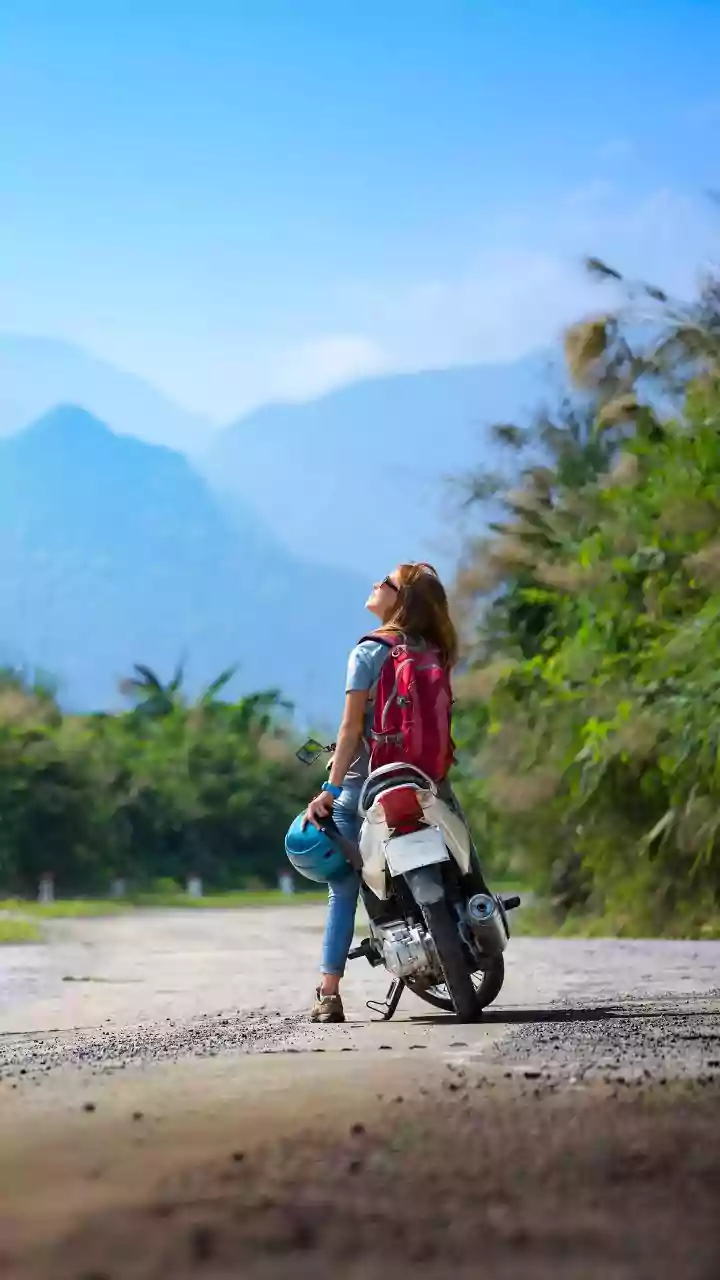
a long weekend. Reports show a dramatic shift, with a huge majority of Gen Z travellers now preferring multiple short trips over one long holiday. This trend reflects a practical response to demanding careers and the desire for regular mental resets. Rather than waiting months for a single break, they are finding that a quick getaway to places like Coorg, Goa, or Mussoorie can be just as refreshing and far easier to schedule.
Driven by a New Work-Life Reality
This change isn’t just about preference; it’s a reflection of a new work culture. With rising burnout and the pressures of an always-on professional life, travel has become less of a luxury and more of a coping mechanism. These short trips act as a release valve, offering a quick escape from urban monotony. Furthermore, the priorities of younger generations have evolved. Unlike previous generations who valued job security above all, many millennials and Gen Z seek purpose and personal fulfilment beyond their work. For them, travel is a form of self-expression, with nearly 90% agreeing that their travel style reflects who they are as a person. Each trip is a personal statement, not just a break from work.
The 'Workation' and Hybrid Flexibility
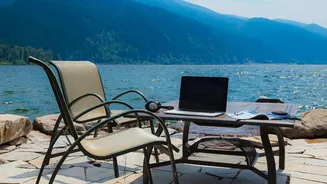
The rise of hybrid and remote work has been a game-changer, blurring the lines between the office and the destination. This flexibility has given birth to the 'workation', where professionals can work from a scenic location without dipping into their leave balance. A significant percentage of travellers now prefer working from natural settings, swapping city smog for mountain air or sea breezes. This model allows for longer stays in new places, transforming a weekend trip into a week-long immersion. As companies grapple with retaining talent, flexible work policies are becoming a key factor, directly enabling this new, fluid approach to travel.
Spontaneity Powered by Technology
Technology is the great enabler of this trend. Mobile booking apps and digital platforms make it incredibly easy to plan spontaneous trips and find last-minute deals. Young travellers are using these tools to build trips around specific experiences, like a music festival or a cultural event, rather than just sightseeing. Social media provides endless inspiration, but there’s also a counter-trend of seeking out unique, personal experiences that haven't gone viral. A majority of Gen Z travellers state they want their trips to feel personal and unique, often deliberately leaving parts of their itinerary unplanned to allow for spontaneity. This tech-savvy generation is using digital tools not to follow the crowd, but to carve their own paths.
Exploring India, One Weekend at a Time
The result of this shift is a deeper exploration of domestic destinations. While international travel is still a goal, often funded by a first paycheck, the frequency of short trips is encouraging a rediscovery of India's diverse landscapes. Destinations that are a short flight or a road trip away are booming. The monsoon season, once considered an off-season, is now a popular time for micro-cations to places like Goa, Kerala, and Rajasthan. This trend is pushing travellers beyond the usual tourist circuits and into lesser-known regions, supporting local economies and fostering a more intimate connection with their own country.