







The allure of a coastal home is timeless, evoking breezy shores and relaxed living. But how do you add a touch of maritime spirit without it feeling like a theme park? The secret lies in subtlety and sophistication, blending two distinct styles.
Coastal vs. Nautical: What's the Difference?
Before
we dive in, it’s crucial to understand the distinction. Think of 'coastal' as the broader aesthetic and 'nautical' as a specific subset. Coastal design aims to capture the feeling of being by the sea. It's light, airy, and relaxed, built on a foundation of natural light, soft colours, and organic textures. The palette draws from the environment: sandy beiges, warm whites, and soft, muted blues and greens that mimic the water and sky. The goal is to create an atmosphere of calm and openness. Nautical, on the other hand, is directly inspired by sailing, ships, and maritime history. Its hallmarks are more literal and often bolder: think navy blue and crisp white, often with pops of red, and motifs like anchors, ship wheels, and ropes. While coastal is about the shore, nautical is about the ship. The mistake many make is using too many literal nautical items, which can make a coastal space feel clichéd and themed rather than chic and relaxing.
Building Your Coastal Foundation
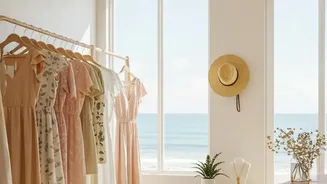
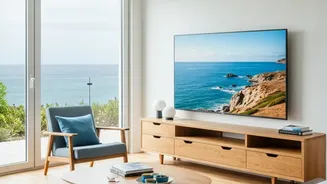
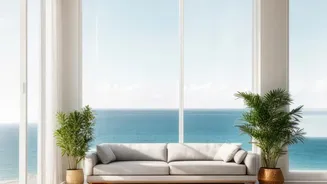
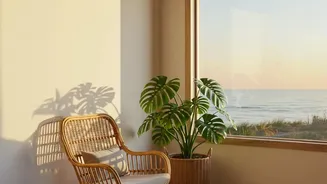
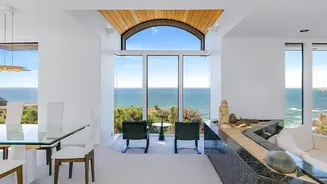
To successfully incorporate subtle nautical touches, you first need a strong coastal base. This is what will keep the overall look feeling sophisticated and serene. Start by maximising natural light with sheer or lightweight curtains that allow sunlight to filter through. The colour palette should be predominantly neutral, creating a calm backdrop. Think in layers of warm whites, sand, and soft greys. This approach makes a space feel open and breezy. Focus on natural materials to build texture. Furniture made from light or weathered woods, jute or seagrass rugs, and textiles like linen and cotton are cornerstones of the style. This layered texture is what provides visual interest without relying on busy patterns or loud colours. Your furniture should prioritise comfort and a relaxed silhouette; slipcovered sofas and rattan chairs are classic choices. Once this calm, textured foundation is in place, it’s ready for a few carefully chosen accents.
The Art of the Subtle Nautical Accent
This is where the 'less is more' philosophy truly shines. The goal is to add hints of maritime character that tell a story rather than shout a theme. Instead of an anchor-print cushion, consider one with a simple, sophisticated rope pattern or a classic navy stripe. Swap a literal ship wheel on the wall for a round porthole-style mirror in a bathroom or entryway. Hardware is another fantastic opportunity for subtlety; consider using small brass or polished nickel cleats as drawer pulls or cabinet handles. For lighting, look for fixtures that evoke a maritime feel through their shape, like a pendant light reminiscent of a vintage fisherman's lantern, but in a modern finish. When it comes to decorative objects, choose authenticity and natural beauty. A piece of sculptural driftwood, a collection of sea glass in a simple glass jar, or a single, framed vintage nautical map offers a more refined nod to the sea than mass-produced ship models or starfish. These touches should feel discovered and personal.
What to Avoid for an Elevated Look
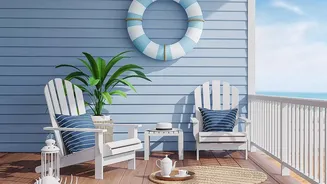
Knowing what to leave out is just as important as knowing what to put in. To keep your coastal decor feeling fresh and timeless, steer clear of the most common pitfalls. The most significant mistake is overusing literal nautical props like anchors, life preservers, and novelty signs that say 'Beach'. These items can quickly make a space feel dated and kitschy rather than relaxing. Be cautious with the classic navy blue and red colour combination; while it's quintessentially nautical, too much of it can feel heavy and overdone in an otherwise airy coastal room. Instead of a high-contrast, primary-colour scheme, stick to the muted, sun-washed blues and greens of your coastal palette. Also, avoid buying entire 'coastal' decor sets from a single store. A truly beautiful space feels collected over time. By editing out the obvious clichés, you allow the more subtle, textural elements of your design to stand out, creating a home that feels genuinely inspired by the coast.