



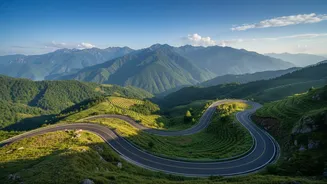

The Old Bumps in the Road
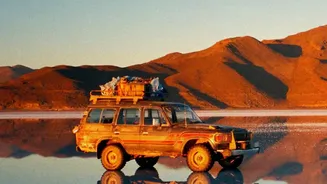
For years, the allure of an overland road trip from India to its neighbours has been tempered by bureaucratic hurdles. Complex paperwork, the need for expensive and hard-to-get carnets (customs documents for a vehicle), and different rules at every border
created a challenging environment for even the most determined self-drive tourist. Agreements like the Bangladesh-Bhutan-India-Nepal (BBIN) Motor Vehicles Agreement (MVA), signed in 2015, were designed to create a seamless flow of traffic but faced long delays in implementation. This often meant that personal vehicles faced unpredictable requirements, long waits, and a general lack of clarity, turning a dream holiday into a logistical nightmare.
A Smoother Highway to Adventure
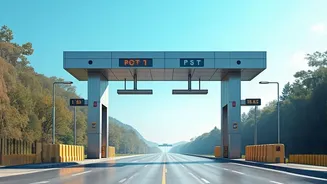
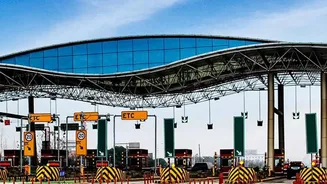
A renewed push for regional integration is finally modernising these protocols. The core idea is to replace cumbersome paper-based systems with more efficient, digital ones. While a single unified system across all borders is still a work in progress, individual nations and sub-regional blocs are taking significant steps. For instance, Bhutan has introduced online systems for tourist entry permits and vehicle registration for Indian travellers, allowing for pre-registration to ease the process at the border. The BBIN MVA, though initially stalled by Bhutan's environmental concerns, is proceeding with Bangladesh, India, and Nepal, with protocols for passenger and cargo movement being finalised to enable unrestricted cross-border vehicle movement. This move is set to reduce time and costs significantly.
Which Borders Are Opening Up?
The most significant progress for Indian self-drive enthusiasts is concentrated in two key corridors. The first is towards Bhutan and Nepal. For Bhutan, Indian travellers can now use online systems to pre-register and obtain permits, though a guide and approved hotel bookings are mandatory, and a Green Tax applies for vehicles going beyond designated zones. The India-Nepal treaty has long facilitated vehicle movement, forming a stable base for road trips. The second, more ambitious corridor is the India-Myanmar-Thailand (IMT) Trilateral Highway. While consensus on the Motor Vehicles Agreement for this route has been reached, the final protocols are still being negotiated to facilitate the movement of personal vehicles alongside cargo. The goal remains to create a seamless link connecting South Asia with Southeast Asia.
More Than Just a Road Trip
This modernisation is about more than just tourism; it's a powerful tool for regional diplomacy and economic growth. The World Bank notes that seamless connectivity between countries like India and Bangladesh could boost national incomes significantly. For travellers, it fosters deeper people-to-people connections and cultural exchange that fly-in, fly-out tourism can't match. Driving through different landscapes and communities offers an immersive experience, building a greater appreciation for the region's shared history and diverse cultures. Self-drive tourism also spreads economic benefits to smaller towns and local businesses along the travel routes, not just in major tourist hubs.
Planning Your Cross-Border Drive
Even with simplified protocols, a cross-border road trip requires careful planning. Always ensure your documents are in order: passport with at least six months' validity, original vehicle registration certificate (RC), valid driving license, pollution certificate, and vehicle insurance. It's wise to carry both physical and digital copies. For countries like Bhutan, you must also arrange for a registered guide and pre-booked accommodation. While visa-free travel for Indians is available for tourism in countries like Thailand, the rules for overland entry with a personal vehicle can be distinct and subject to specific agreements like the IMT MVA. Always check the latest regulations from official embassy or tourism websites before you start your engine.