
Why Yoga Works for Exam Stress
When you feel stressed, your body enters a 'fight-or-flight' mode, making it hard to relax and concentrate. Yoga helps activate the body's natural relaxation response. By combining gentle movements with controlled breathing, you can lower your heart rate and reduce
levels of stress hormones like cortisol. This process not only calms your nervous system but also increases blood flow to the brain, which can lead to a more focused and capable mind. Studies have shown that even short, regular yoga sessions can improve attention spans and help manage anxiety, making it a powerful tool for academic success.
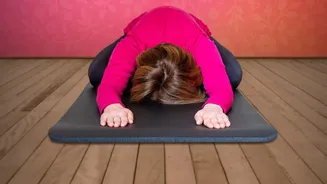
Child's Pose (Balasana) for Instant Calm
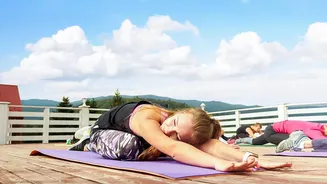
This resting pose is perfect for releasing tension in the back, neck, and shoulders—areas that often get tight after hours of studying. To begin, kneel on the floor. Bring your big toes to touch and sit back on your heels, spreading your knees wide. Fold forward, walking your hands out in front of you and allowing your forehead to rest gently on the floor. You can keep your arms extended or rest them alongside your body. Focus on taking deep, slow breaths, holding the pose for at least 30 seconds to calm the nervous system.
Cat-Cow Stretch (Marjaryasana-Bitilasana) to Ease Your Spine
Sitting for long periods can lead to a stiff back. The Cat-Cow stretch brings gentle movement to the spine, relieving tension and improving posture. Start on your hands and knees in a tabletop position, with wrists under your shoulders and knees under your hips. As you inhale, drop your belly towards the floor and look up, creating an arch in your back (Cow Pose). As you exhale, round your spine toward the ceiling, tucking your chin to your chest (Cat Pose). Repeat this fluid movement 5 to 10 times, syncing your breath with the motion to release stiffness.
Standing Forward Fold (Uttanasana) for a Brain Boost
This pose is excellent for relieving fatigue and boosting blood supply to the brain, which can help refresh your mind during a long study session. Stand with your feet hip-width apart. As you exhale, hinge at your hips and bend forward. Keep your knees slightly bent to avoid straining your lower back. Let your head hang heavy and, if you can, hold opposite elbows to allow the weight of your arms to gently deepen the stretch. Stay here for several deep breaths, feeling the release in your hamstrings and spine.
Legs-Up-the-Wall Pose (Viparita Karani) to Reduce Fatigue
A perfect restorative pose after a long day, Legs-Up-the-Wall helps soothe the nervous system and can alleviate tired legs and feet. To get into the pose, sit on the floor with one side of your body against a wall. Gently swing your legs up the wall as you lie down on your back. Your sitting bones should be as close to the wall as is comfortable. Rest your arms by your sides with palms facing up and close your eyes. Stay in this position for 5 to 10 minutes, focusing on deep, even breathing to feel refreshed and calm.
Corpse Pose (Savasana) for Total Relaxation
Though it sounds simple, Savasana is considered one of the most important poses for integrating the benefits of your practice. It allows your body and mind to completely relax and reset. Lie flat on your back with your legs extended and feet falling open naturally. Let your arms rest comfortably by your sides, palms facing up. Close your eyes and release control of your breath, allowing your body to feel heavy and supported by the floor. Even just five minutes in this pose can significantly reduce stress and mental chatter, leaving you prepared for your next task.