




A New Weave of Relevance
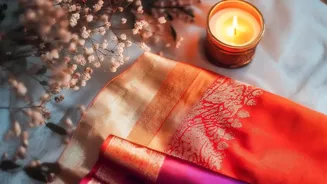
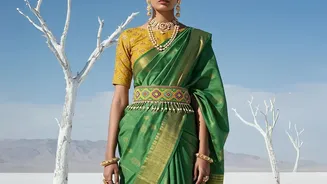
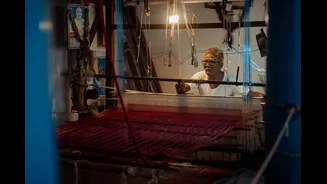
The hum of the loom, once a sound receding into India’s past, is growing louder again. A new generation of consumers and designers is rediscovering handloom not as a relic, but as a statement of sustainable luxury and cultural pride. This revival isn't
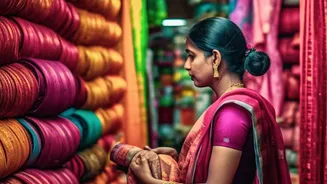
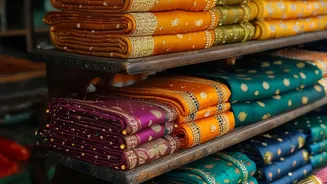
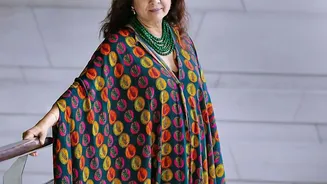
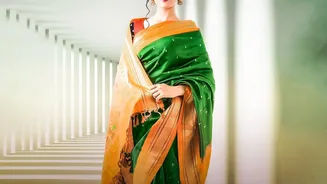
confined to dusty government emporiums; it's thriving on social media platforms where artisan stories are shared through visual media, connecting weavers in remote villages directly to urban buyers. Brands are blending traditional weaves with contemporary silhouettes, making handloom appealing to younger, global audiences who value authenticity and eco-friendly choices. This renewed interest, underscored by initiatives like National Handloom Day on August 7th, suggests a significant shift from viewing handloom as a sunset industry to recognizing it as a key part of India's creative economy.
The Double-Edged Sword of Demand
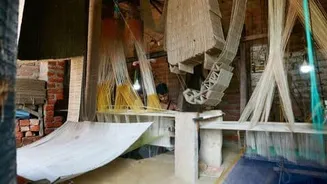
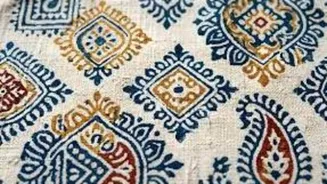
With rising popularity comes immense pressure. The core challenge lies in meeting increased demand without compromising the very essence of the craft. The slow, meticulous process that gives handloom its unique character is fundamentally at odds with the fast-fashion model of rapid, low-cost production. The biggest threat is 'craft dilution'—the simplification of complex traditional designs to speed up production or the passing off of machine-made powerloom fabrics as authentic handloom. Powerlooms can produce textiles exponentially faster and cheaper, creating intense price competition that handloom weavers struggle to meet. This pressure can lead to lower wages, the use of cheaper materials, and a gradual erosion of the intricate skills passed down through generations.
Weaving a Moat with Authenticity
So, how is the sector fighting back against dilution? The answer lies in doubling down on what makes handloom unique: its story, its origin, and its tangible quality. Storytelling has become a powerful tool, with brands and artisans using digital platforms to showcase the painstaking process and the cultural heritage behind each textile. This creates an emotional connection and educates consumers on why a handwoven product commands a higher price. Furthermore, legal and institutional safeguards like the Handloom Mark and Geographical Indication (GI) tags for specific weaves (like Banarasi or Pochampally) help certify authenticity and protect against fakes. By creating a transparent ecosystem where the artisan is celebrated and the process is honored, the sector builds a strong defense against commodification.
The Consumer as Curator
Ultimately, the future of this revival rests in the hands of the consumer. The modern handloom customer is not just buying a product; they are investing in a philosophy. They are driven by a desire for sustainability, ethical production, and a connection to their heritage. By choosing to pay a premium for a genuine handwoven textile, they are casting a vote for fair wages, environmental responsibility, and the preservation of a living art form. This conscious consumerism is the engine of the revival, creating a market where authenticity is the most valuable feature. As consumers become more discerning, they shift from being passive buyers to active curators of culture, demanding transparency and rewarding craftsmanship, ensuring that the loom's legacy continues to be woven for generations to come.