

What Are the Orionid Meteors?
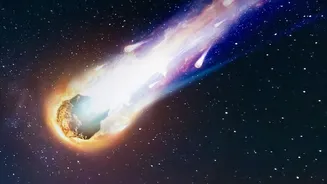
The Orionid meteor shower is an annual event that happens when Earth passes through the dusty, icy debris trail left behind by one of history's most famous comets: 1P/Halley, or Halley's Comet. While the comet itself only visits the inner solar system
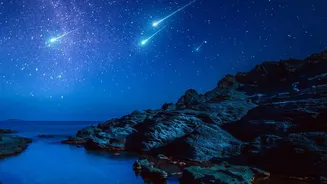
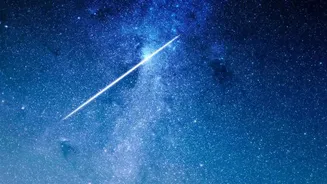
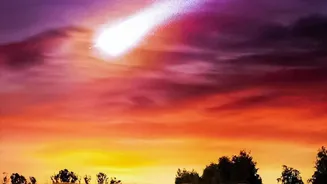
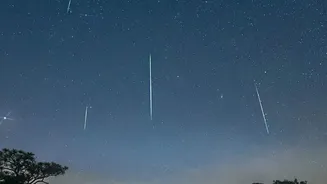
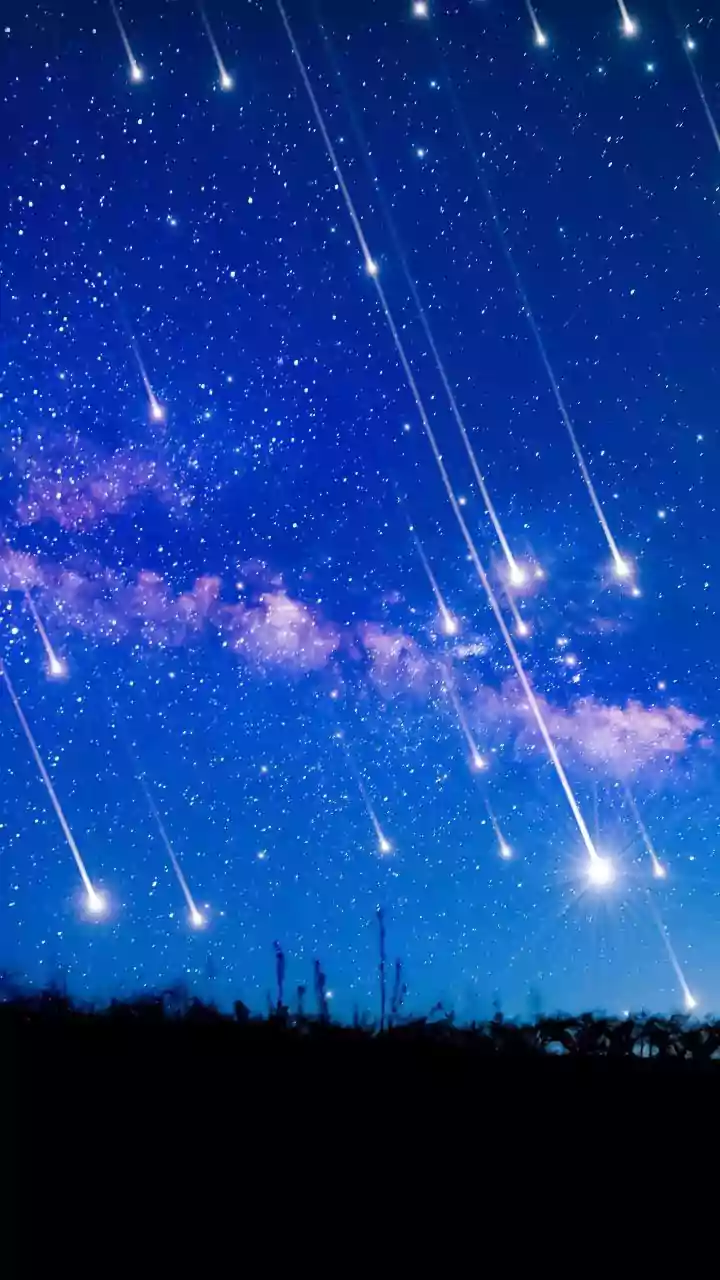
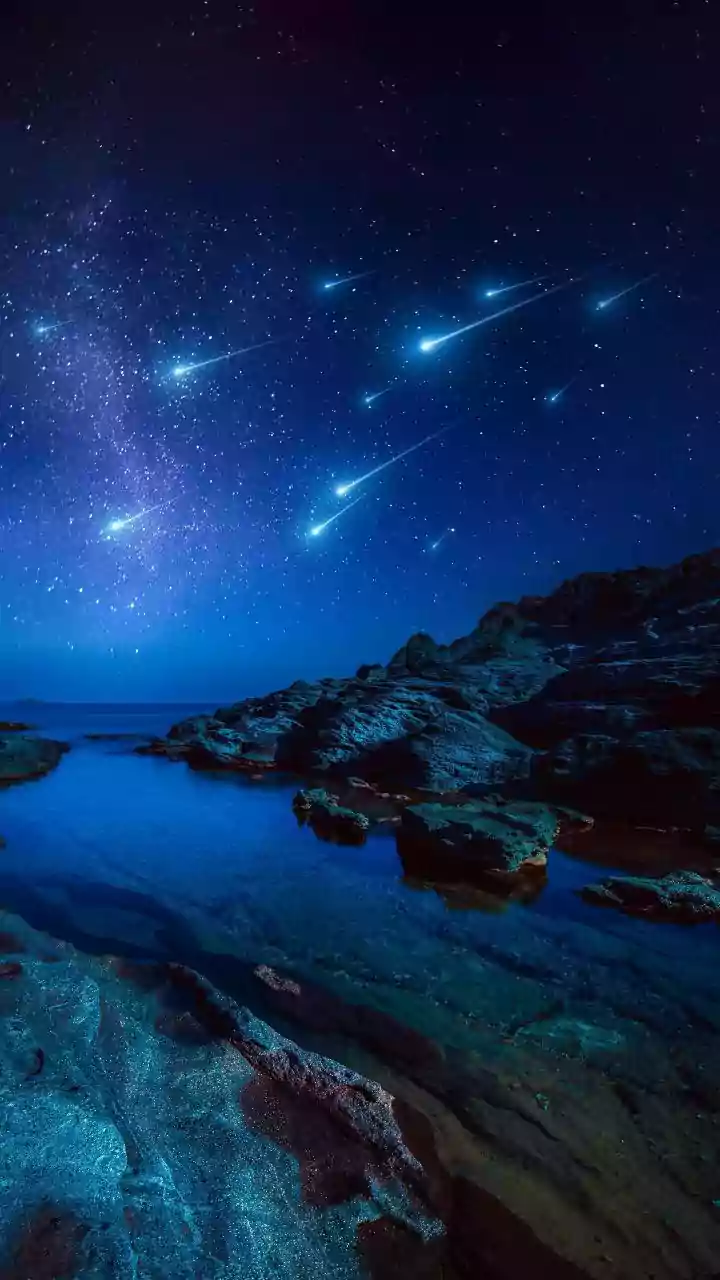
every 76 years—its next appearance isn't until 2061—we get to see its leftovers twice a year. The Orionids in October and the Eta Aquarids in May are both born from this ancient stream of particles. These tiny fragments, many no bigger than a grain of sand, hit our atmosphere at incredible speeds of around 66 kilometres per second and burn up, creating the brilliant streaks of light we call meteors or 'shooting stars'. They are known for their brightness and speed, often leaving behind glowing trails that can linger for several seconds.
The Science of 'Midnight to Dawn'
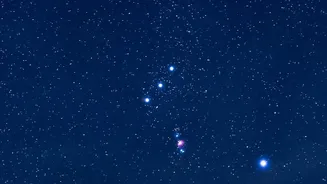
The key to understanding why viewing is best after midnight lies in a concept called the 'radiant'. This is the point in the sky from which the meteors appear to originate. For the Orionids, this point is in the constellation Orion the Hunter. In the early evening, Orion is low on the eastern horizon. From our perspective, it means many meteors are either streaking below the horizon, where we can't see them, or are very short because they are heading almost towards us. As the night progresses, the Earth turns, and the constellation Orion climbs higher into the sky. This is similar to driving into a rainstorm; you see more raindrops hitting your front windshield than your back one. After midnight, our side of the Earth is facing directly into the meteor stream, increasing the number of visible meteors. With the radiant high overhead, the meteors can travel across vast expanses of the sky, creating longer, more spectacular trails.
Peak Viewing and Conditions for 2026
The Orionid meteor shower will be active from early October to early November, but the best time to watch will be during its peak on the night of October 21-22, 2026. Under perfect conditions, you might see 10 to 20 meteors per hour. However, 2026 presents a challenge: a bright waxing gibbous Moon will be in the sky for much of the evening, washing out the fainter meteors. But there's good news. The Moon will set a few hours before dawn. This creates a prime viewing window of genuinely dark sky between roughly 3 a.m. and the start of morning twilight. So, for the best show, set your alarm for the early morning hours rather than staying out right at midnight.
How to Get the Best View
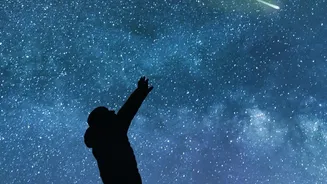
You don't need any special equipment to enjoy the show—in fact, binoculars and telescopes are not recommended because they limit your field of view. The most important thing is to find a location away from city and street lights, as light pollution drastically reduces the number of visible meteors. Find a comfortable spot with a wide, open view of the sky. Lie back on a blanket or a reclining chair so you don't have to crane your neck. Put your phone away and give your eyes at least 20 to 30 minutes to fully adapt to the darkness; you'll see far more meteors once they have. And remember, you don't need to stare directly at the constellation Orion. The meteors will appear all across the sky, and they often look longer and more dramatic when viewed 45 to 90 degrees away from the radiant.