
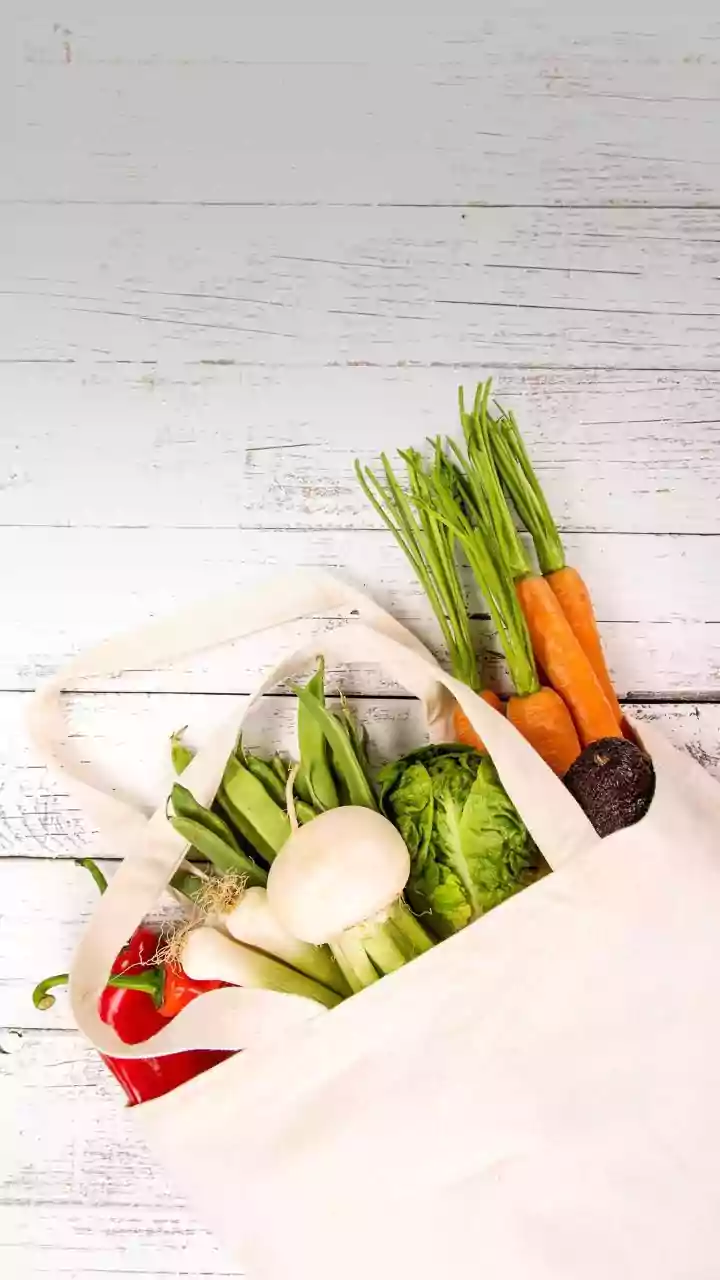

Buy Less, More Often
The single most effective strategy during the monsoon is to adjust your shopping frequency. Instead of a large weekly haul, aim for smaller purchases every two to three days. High humidity accelerates decay, and even the refrigerator can't always keep
microbes at bay. Buying smaller lots ensures that you use up your produce before it has a chance to wilt, rot, or grow mould. This approach is especially crucial for delicate items that spoil quickly in damp conditions.
Be Extra Vigilant with Leafy Greens
Leafy greens like spinach, coriander, and cabbage are particularly vulnerable during the rains. The layers of leaves can trap moisture, dirt, and microbes, making them difficult to clean and quick to spoil. When buying, inspect bunches carefully. The leaves should be crisp and fresh, not slimy, yellowed, or wilted. If they smell musty or unpleasant, it's a clear sign to avoid them. Because they are so perishable, it is best to cook and consume leafy vegetables the same day you buy them.
Favour Gourds and Other Hardy Vegetables
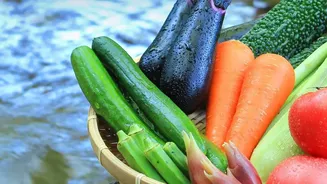
Certain vegetables are naturally better suited to the monsoon climate. Gourds like lauki (bottle gourd), turai (ridge gourd), and karela (bitter gourd) are excellent choices. Their thick, protective skins shield the flesh from the excess ambient moisture, giving them a longer shelf life. When selecting them, look for firm textures and bright, uniform colour. Other robust options include pumpkin, bhindi (okra), and beans, which tend to hold up well against the humidity.
Inspect Root Vegetables Carefully
While root vegetables like potatoes, onions, and carrots are generally long-lasting, the monsoon demands a more careful inspection. Avoid any potatoes that have started sprouting or have soft, dark spots. For onions, choose ones that are firm with dry, papery skin. Excess moisture can cause them to rot from the inside out. While some sources advise caution with root vegetables due to soil contamination, buying clean, firm produce and washing it thoroughly at home mitigates this risk.
Avoid Pre-Cut and Bruised Produce
Convenience can come at a cost to food safety during the monsoon. Steer clear of pre-cut vegetables sold in plastic bags or on open trays. A break in the skin exposes the vegetable to the humid air and a much higher risk of bacterial contamination. For the same reason, avoid buying any produce with significant cuts, bruises, or soft spots. These damaged areas are entry points for mould and bacteria, which thrive in damp weather and can accelerate spoilage for the entire vegetable.