

Hanle, Ladakh: India's Dark Sky Sanctuary
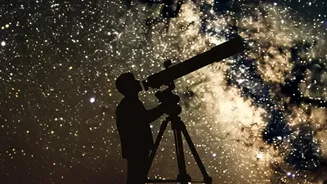
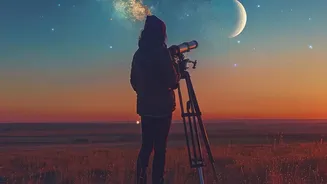
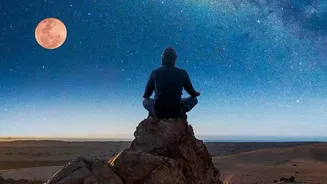
Home to India's first official Dark Sky Reserve, Hanle in Ladakh is an astronomer's paradise. Situated at a staggering altitude of over 14,000 feet, this remote village in the Changthang Wildlife Sanctuary has skies so clear they are rated Bortle Class
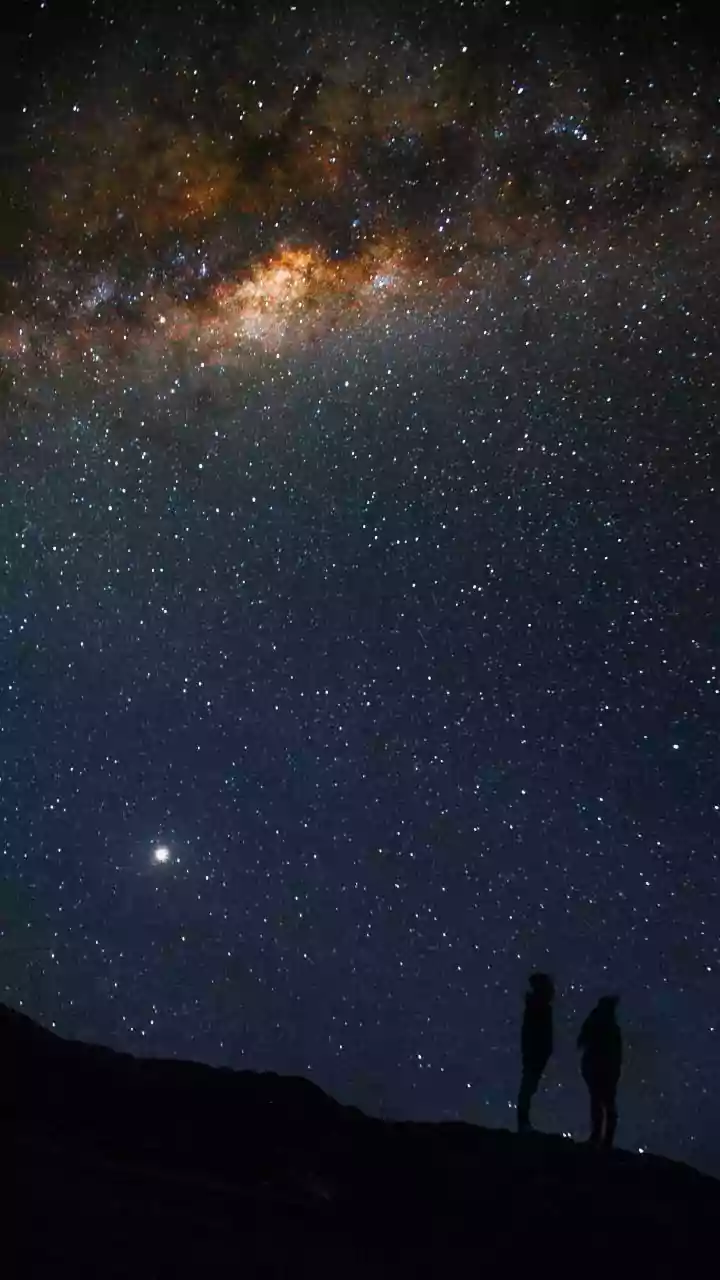
1 — the darkest possible. This is why the Indian Astronomical Observatory is located here. The high altitude, dry weather, and minimal light pollution mean you can see the Milky Way galaxy in breathtaking detail, often stretching from one horizon to the other like a river of cosmic dust. Local villagers, trained as astronomy guides, can help you navigate the cosmos with telescopes, pointing out distant galaxies and nebulae. The best time to visit is between June and September when the skies are exceptionally clear.
Spiti Valley, Himachal Pradesh: A High-Altitude Desert Canvas
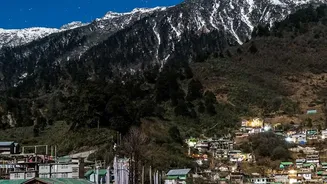
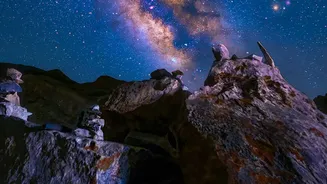
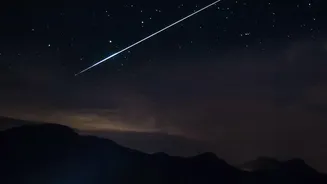
Often called 'Little Tibet', Spiti Valley is a cold desert mountain region that offers some of the most dramatic nightscapes in the country. Its remote villages, such as Kaza, Kibber, and Langza, sit at altitudes above 12,000 feet, far from any significant light pollution. This elevation and the valley's rain-shadow location result in exceptionally dry, clear air, perfect for stargazing. Between May and October, visitors can witness the bright core of the Milky Way, meteor showers, and countless constellations. The landscape itself, with ancient monasteries and stark mountains, provides a stunning foreground for astrophotography. The silence of the valley combined with the sheer number of visible stars creates a deeply humbling experience.
Nubra Valley, Ladakh: Stars Over Sand Dunes
Another gem in Ladakh, Nubra Valley offers a surreal stargazing experience over its famous high-altitude sand dunes. Known for its double-humped camels and dramatic landscapes, the valley transforms into a natural observatory after dark. With Bortle Class 1-2 skies, the region's minimal light pollution and dry climate provide crystal-clear views of the cosmos. From the villages of Hunder or Diskit, you can see the Milky Way's galactic core, planets, and constellations with remarkable clarity. The season from May to October is ideal, with peak viewing of the Milky Way occurring from July to September when it's high in the sky during the evening. The experience of watching the universe unfold above the unique desert landscape is truly unforgettable.
Rann of Kutch, Gujarat: A Universe Mirrored in Salt
The Great Rann of Kutch offers one of India's most unique stargazing settings. This vast expanse of white salt desert creates an otherworldly landscape with an unobstructed, horizon-to-horizon view of the night sky. Far from city lights, the skies are dark enough to see the Milky Way, which can sometimes appear faintly reflected on the salt flats on moonless nights. The best time to visit is during the cooler, drier winter months, which often coincides with the Rann Utsav festival from November to March. Many camps in the area, particularly near Dhordo, offer stargazing sessions, allowing you to combine a rich cultural experience with a celestial one.
Jaisalmer, Rajasthan: Cosmic Views in the Thar Desert
The golden dunes of the Thar Desert near Jaisalmer provide another spectacular desert backdrop for stargazing. The remote location and dry desert air ensure clear, unpolluted skies, perfect for observing celestial wonders. Many desert camps located near the Sam Sand Dunes, about 40 kilometres from the city, offer overnight safari packages that include stargazing. After watching a stunning sunset over the dunes, you can lie back on the cool sand and watch the Milky Way emerge in all its glory. Guided tours with telescopes are often available, helping visitors identify planets and constellations. The ideal time for this experience is between October and March when the desert weather is cool and pleasant at night.
Pangong Tso, Ladakh: Reflections of the Cosmos
The famous high-altitude lake of Pangong Tso is not just a daytime spectacle; it's a dream destination for astrophotographers and stargazers by night. Situated at an altitude of over 14,000 feet, the lake's remote location ensures profoundly dark skies. On a calm, clear night, the still, saline waters of the lake create a perfect mirror, reflecting the star-studded sky above. This creates a breathtaking illusion of being suspended in space. The absence of light pollution allows for magnificent views of the Milky Way arching over the water, offering a truly magical and serene experience. It's a powerful reminder of our place in the cosmos, set against one of Earth's most beautiful landscapes.